How Much Sensor Do You Need for Vlogging? 1-Inch vs Micro Four Thirds vs APS-C
Bigger sensors blur backgrounds and shine in low light — but "bigger is better" breaks down once you weigh size, price, and how vlogs are watched. Here's what 1-inch, Micro Four Thirds, and APS-C each really buy you.
Draft · Openly AI-powered
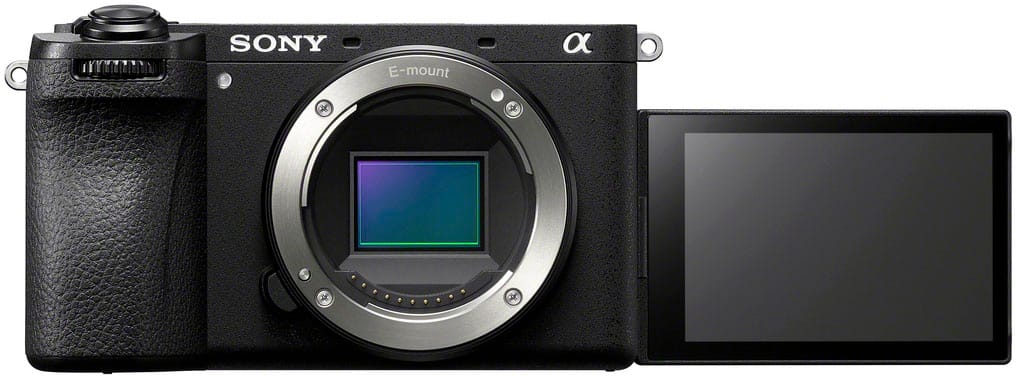
Sensor size is the spec most likely to confuse a first-time camera buyer — and the one salespeople lean on hardest. Bigger sensors do gather more light and blur backgrounds more easily, but "bigger is better" falls apart the moment you factor in size, price, and how vlog footage is actually watched. Here's what each sensor class really buys you.
The three sizes that matter for vlogging
1-inch (1.0-type). The sweet spot for compact vlog cameras. Found in the DJI Osmo Pocket 3 and Sony ZV-1 II, it's far larger than a phone sensor — enough for clean daylight footage and gentle background blur — while keeping the camera pocketable. Low-light is decent, not spectacular.
Micro Four Thirds. A step up in surface area, used in the Panasonic Lumix G100D. It adds interchangeable lenses and a little more low-light room than 1-inch, in a body that's still small. In practice the gap up from 1-inch is narrower than the spec suggests — and narrower than the gap up to APS-C.
APS-C. The largest common vlogging sensor, in the Sony ZV-E10 II, Canon EOS R50 V, and Sony a6700. This is where background blur becomes easy, low-light gets genuinely good, and footage takes on that cinematic depth. The cost is size, price, and lenses you'll buy over time.
What bigger sensors actually get you
Three things, in order of how much they matter for vlogging: better low-light performance (cleaner footage indoors and at night), easier background blur (that soft, separated look behind your face), and slightly more dynamic range. What they don't get you: daylight footage a viewer can tell apart on a phone screen, or better autofocus — that's down to the processor and software, not the sensor.
So how much do you need?
If you shoot mostly outdoors, walk-and-talk, and watch your videos on phones, a 1-inch camera is plenty — and the stabilization and portability you get in that class matter more than sensor size. If you film indoors a lot, want strong background blur, or care about a cinematic look, an APS-C body earns its size and cost. Micro Four Thirds sits in between, leaning on lens flexibility. Sensor size is one input, not the deciding one; autofocus, stabilization, and audio shape the final video more.
Want a pick matched to where and how you shoot? Take the quiz, or start with how to choose a vlogging camera.