Reviewed by
Eran Yorkovsky · Founder, PickGrade
Head-to-head
BenQ W5800 vs Anker Nebula X1: What $2,800 More Doesn't Buy
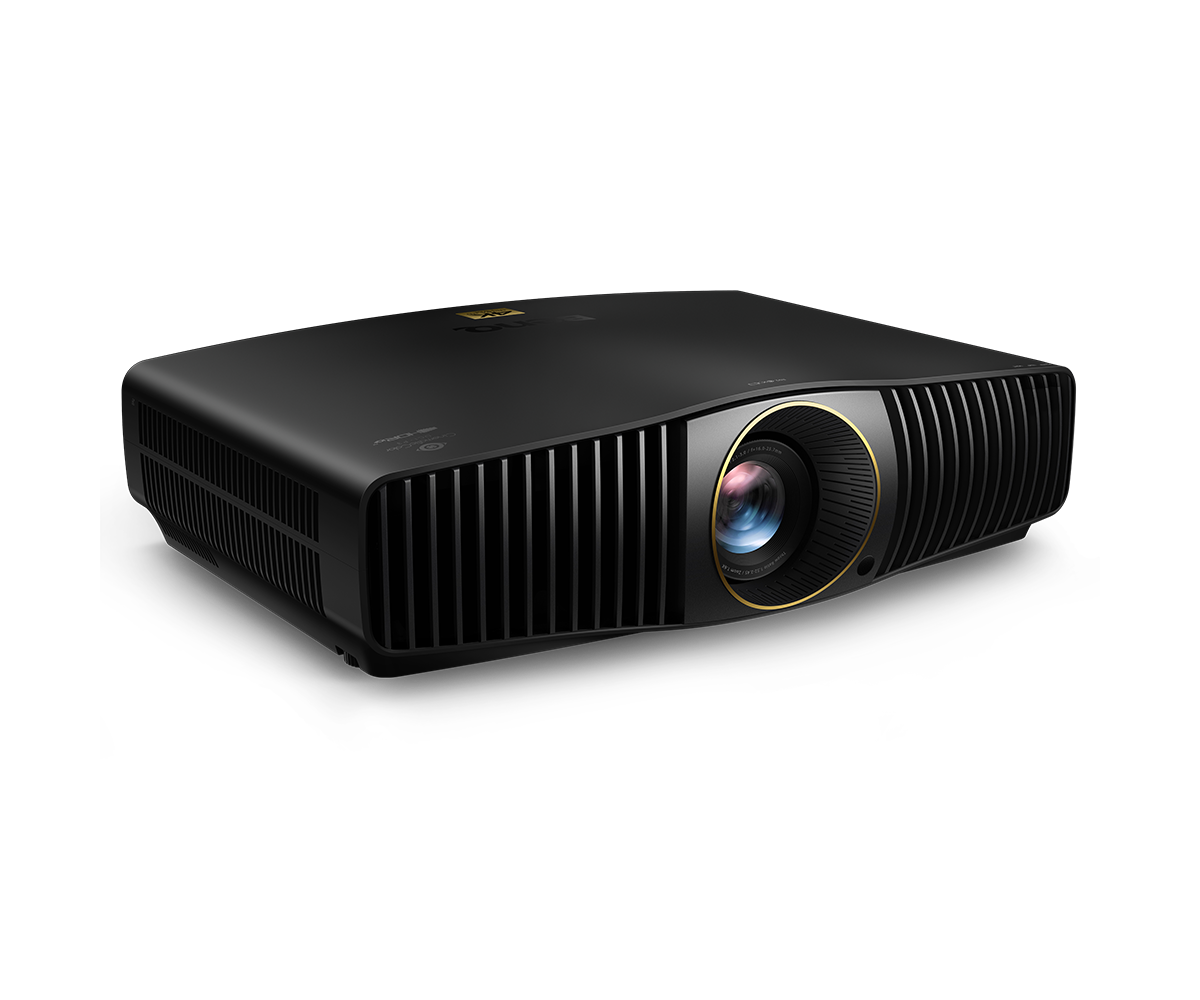
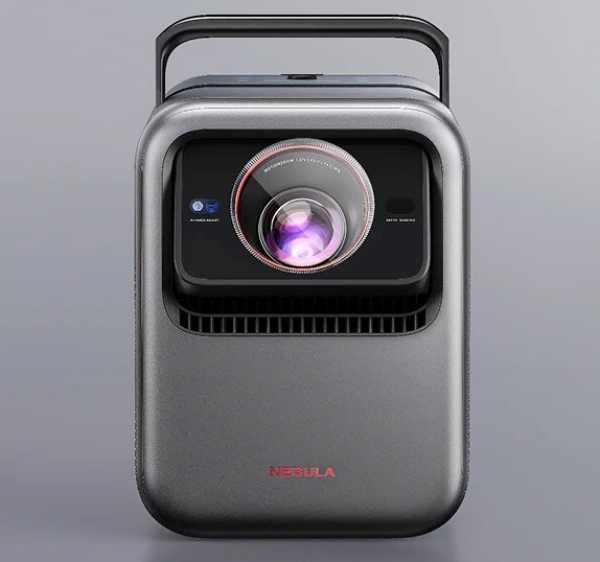
This is the matchup that explains why our projector rankings do not track price. The BenQ W5800 costs $4,999. The Anker Nebula X1 costs about $2,199. The X1 scores higher, and it is not a fluke of our weighting.
Start with what the W5800 genuinely does better, because it is not nothing. Its 14-element all-glass lens with an aspheric low-dispersion element produces edge-to-edge 4K sharpness that plastic-lens lifestyle projectors cannot match, and it has true motorized zoom, focus, and lens shift, so it drops into almost any room geometry. Its color is reference-grade: 100% DCI-P3, 100% Rec.709, near-perfect accuracy out of the box, and unusually, its color-accurate Filmmaker mode stays within about 18% of peak brightness, where lesser projectors halve their output to get accurate. If you are building a dedicated theater with an AV receiver, external speakers, and a screen, this is a serious instrument.
Now the part BenQ would rather you not dwell on. The W5800 uses the same 0.47-inch single-chip DLP as the projectors costing a third as much, and it inherits the same limitation: it cannot make truly inky blacks. Dynamic Black and a 1,000-zone contrast enhancer help, but out of the box, shadows go gray. Meanwhile the Nebula X1, at $2,199, has a 6-blade dynamic iris that ProjectorJunkies measured at up to 6,432:1 native, the highest they have ever recorded on a DLP projector. On the single criterion a dark-room cinema projector exists to win, the cheap all-in-one measures better.
The X1 also measures brighter (about 3,074 to 3,491 ANSI against the W5800's 2,680), covers wider color (110% BT.2020 against 100% DCI-P3), and supports Dolby Vision, which the W5800 does not.
And then there is everything the W5800 simply does not have. No smart platform. No speakers. No streaming apps. Laggy for gaming. It is a display, deliberately, and you are expected to supply the rest of the system, which costs real money on top of the $4,999.
PickGrade may earn a commission from purchases made through links on this page, at no extra cost to you. This never affects our grades. Full disclosure.
Final verdict
Buy the BenQ W5800 if you already have a dedicated, blacked-out room, an AV receiver, and speakers, and what you want is the sharpest, most color-accurate image you can drop into an awkward room layout. The glass lens and the lens shift are real, and no all-in-one matches them. Buy the Anker Nebula X1 if you are a person with a living room. It is brighter, its native contrast is measurably better, it covers wider color with Dolby Vision, it streams and it sounds good on its own, and it costs $2,800 less. The uncomfortable truth of this matchup is that the expensive projector's marquee advantage is optics and placement, not picture depth, and that most people paying $4,999 think they are buying picture depth. They are not.
Was this comparison useful?