Color Night Vision vs Infrared: What Security Cameras Actually See in the Dark
Infrared turns night into grainy black-and-white; color night vision keeps the details that identify a person — clothing, a car's color. How each works, when color is worth paying for, and which cameras deliver it.
June 24, 2026 · Openly AI-powered
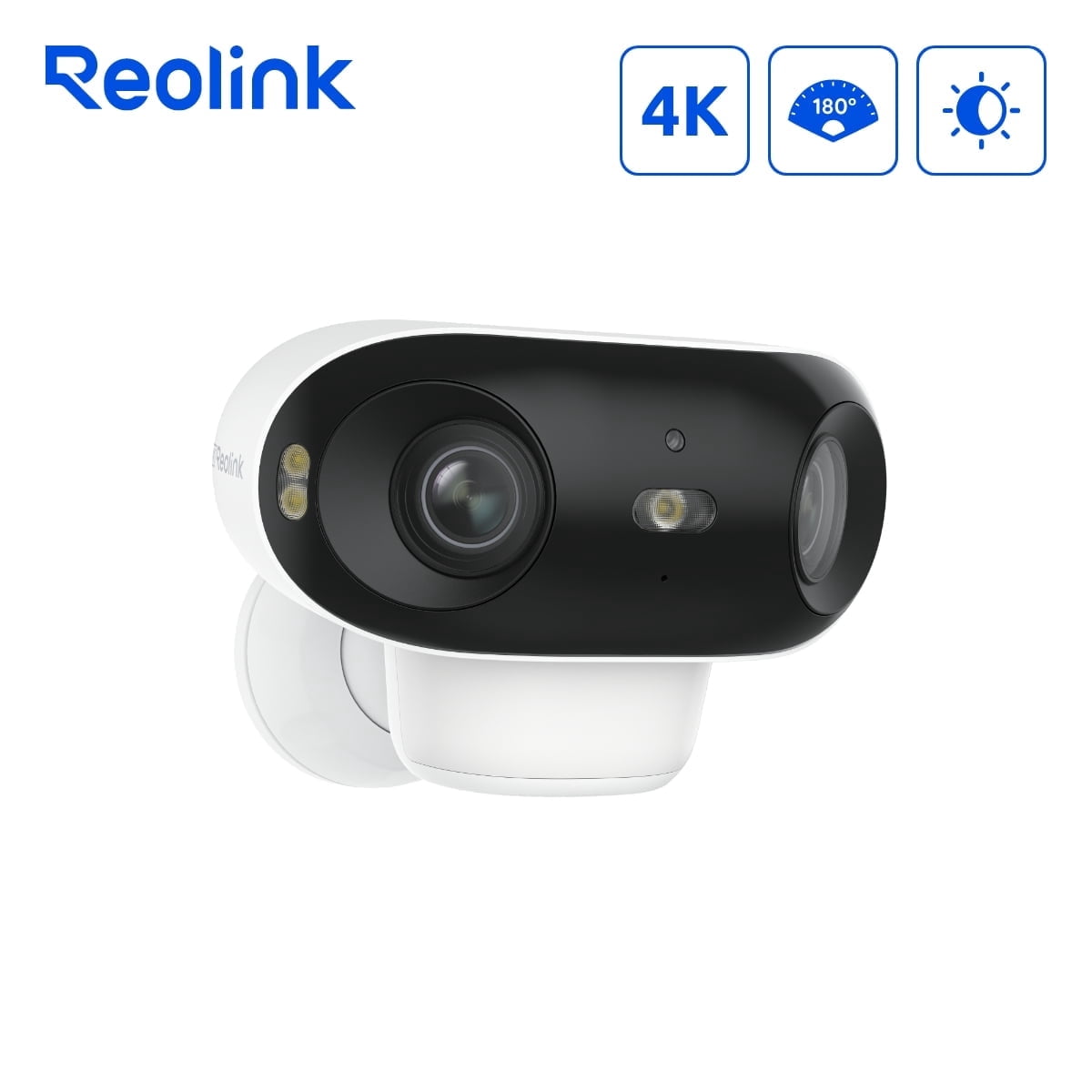
Most of the events you actually want a camera for happen after dark — and that's exactly where cheap cameras fall apart. The difference comes down to two night-vision technologies that produce very different footage: traditional infrared and newer color night vision. Knowing which a camera uses tells you whether you'll get a usable description or a grey smudge.
Infrared: cheap, reliable, colorless
Infrared (IR) night vision floods the scene with invisible IR light and reads the reflection, producing a black-and-white image. It's been the standard for years because it's inexpensive and works in total darkness.
The catch is detail. A black-and-white image shows you that someone was there, but it strips out the single most useful identifier — color. "A person in a dark hoodie" and "a grey sedan" become guesses. The Blink Outdoor 4, Google Nest Cam (Battery), and TP-Link Tapo C225 all use infrared, which is perfectly fine for a shed, a hallway, or a nursery where you just need to see movement.
Color night vision: detail, with a catch
Color night vision keeps footage in full color after dark. Cameras pull it off two ways: a large sensor with a very wide aperture — an f/1.0 lens that drinks in ambient light — and/or built-in spotlights that switch on with motion.
- The eufyCam S3 Pro (MaxColor) and Reolink Argus 4 Pro (ColorX) use big, fast sensors to hold color in very low light.
- The Wyze Cam v4 and Arlo Pro 6 lean on a built-in spotlight to light the scene in color.
The payoff is identification: clothing, a car's color, a face. The catch is that sensor-based color needs some ambient light — a streetlight, the moon — to work, and falls back toward infrared in a pitch-black yard. Spotlight-based color works anywhere, but it announces the camera and, on battery models, drains the battery faster.
Which to choose
| Where the camera goes | What you need |
|---|---|
| Front door, driveway, anywhere you'd describe a suspect | Color night vision |
| Street-lit or porch-lit area | Sensor-based color shines |
| Pitch-black yard, no ambient light | Color with a spotlight, or accept infrared |
| Shed, hallway, nursery — just need motion | Infrared is plenty |
In short: if the footage might ever need to identify someone, pay for color and match the type to your lighting. If you only need to know that something moved, infrared does the job for less.
Take the security camera quiz — picking "the sharpest video, day and night" steers it toward the strong low-light cameras.