Gimbal, In-Body, or Electronic: A Vlogger's Guide to Steady Footage
A gimbal, in-body stabilization, and electronic steadying all fight shaky footage — very differently. Paying for the wrong one is a common, costly mistake. Here's how each works and which your shooting style needs.
Draft · Openly AI-powered
Shaky footage is the fastest way to make a vlog look amateur — and stabilization is the feature buyers most often misunderstand. There are three ways a camera steadies your shot, they work very differently, and paying for the wrong one is a common, expensive mistake. Here's how each works and which you actually need.
The three kinds of stabilization
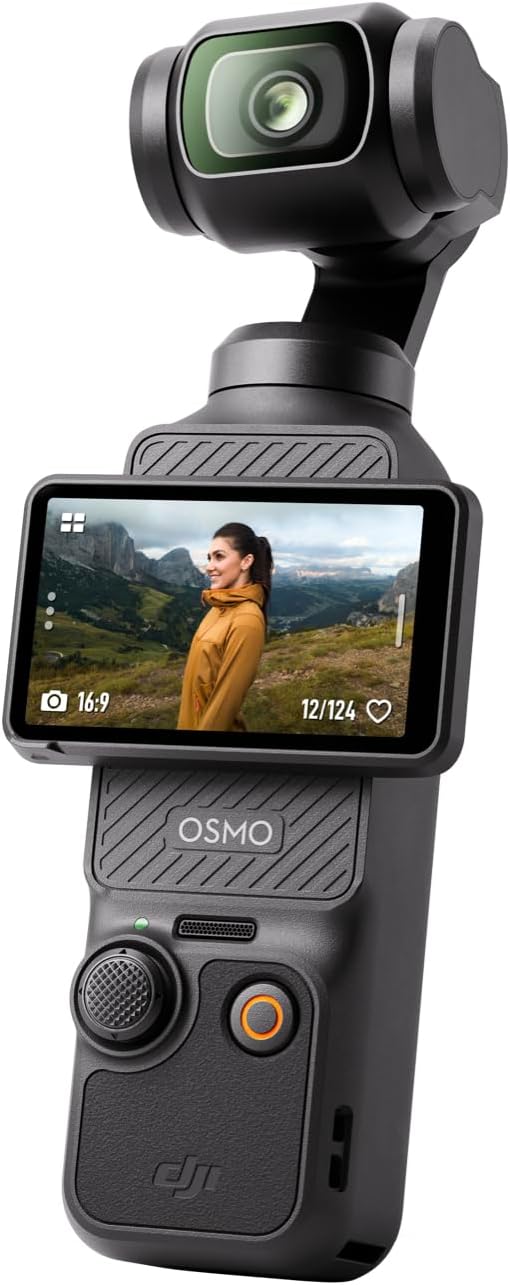
Mechanical gimbal. Motors physically move the camera to counter your movement. It's the gold standard for walking footage — buttery smooth, with no image crop and no resolution penalty. The DJI Osmo Pocket 3 builds a gimbal into the camera itself; with larger cameras you'd add a separate handheld gimbal. Downsides: the built-in kind locks you to that one camera, and external gimbals add bulk.
In-body image stabilization (IBIS). The sensor floats on tiny motors that compensate for shake. Very effective for handheld talking-head and gentle movement, and it works with any lens you mount. The Sony a6700 is the only camera in our lineup with true IBIS. It's not quite gimbal-smooth for fast walking, but it's close — and far more flexible. We break down whether it's worth paying for in ZV-E10 II vs a6700.
Electronic / digital stabilization. Software crops into the frame and shifts it to smooth motion. It's how the GoPro HERO13 Black achieves its famously stable action footage, and how cameras without IBIS — like the Sony ZV-E10 II and Canon EOS R50 V — steady video. The trade-offs: it crops your image tighter and can look slightly artificial at the edges, but on modern cameras it's genuinely good for moderate movement.
Which do you actually need?
It depends almost entirely on how much you move while filming:
- Mostly seated or on a tripod: you barely need stabilization at all. Don't overpay for IBIS or a gimbal you won't use.
- Walking and talking: this is where stabilization earns its keep. A built-in gimbal (Pocket 3) is smoothest; IBIS (a6700) is the most flexible; electronic steadying is a fine budget answer for a moderate pace.
- Action, running, mounted shots: electronic stabilization in an action cam like the GoPro is purpose-built for it and survives conditions a gimbal wouldn't.
The expensive mistake is buying a big IBIS body for footage you shoot sitting down, or expecting a non-stabilized camera to look smooth while you walk. Match the stabilization to your movement, not to the spec sheet.
Not sure how much you move while filming? Take the quiz and we'll factor it in.