← All guides

The buyer's guide

Massage Chairs

Mi

Reviewed by

Michal Zucker · Fitness, Movement & Wellbeing Editor

Two roller dimensions and a track length decide most of the massage — the airbag count on the box barely matters.

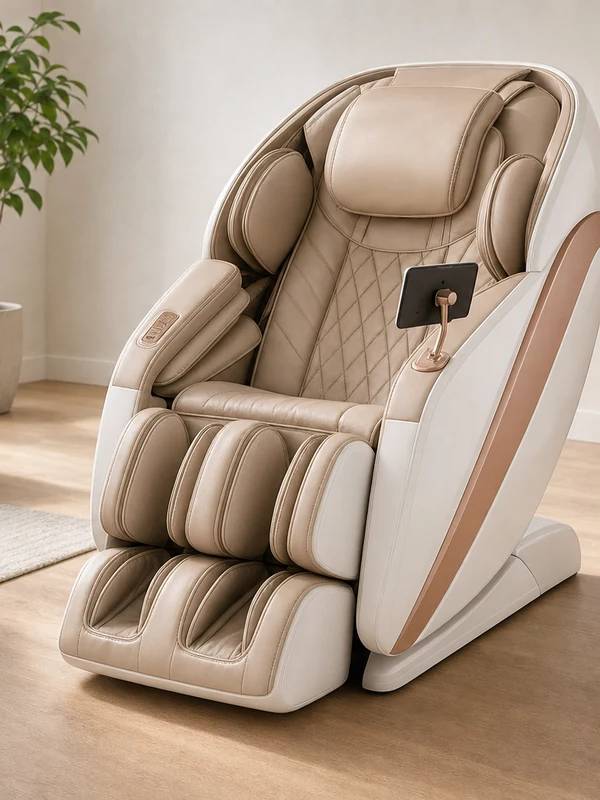
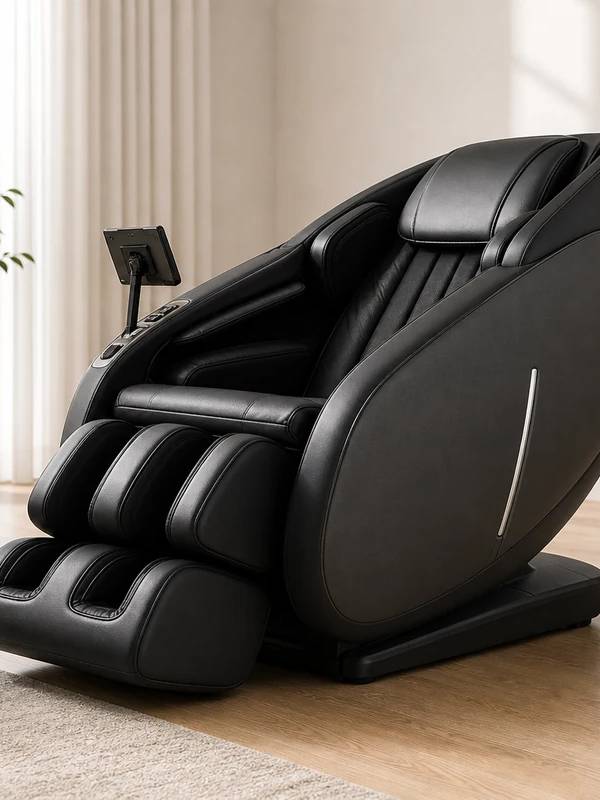
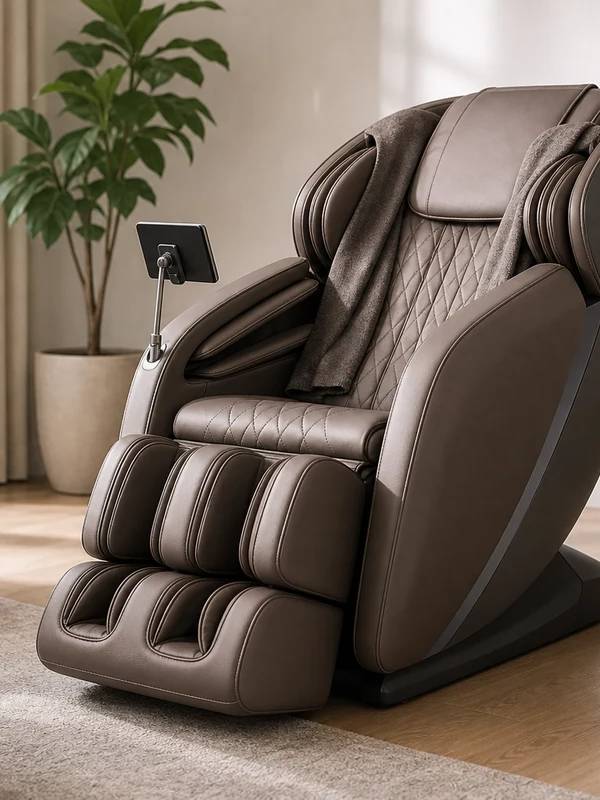
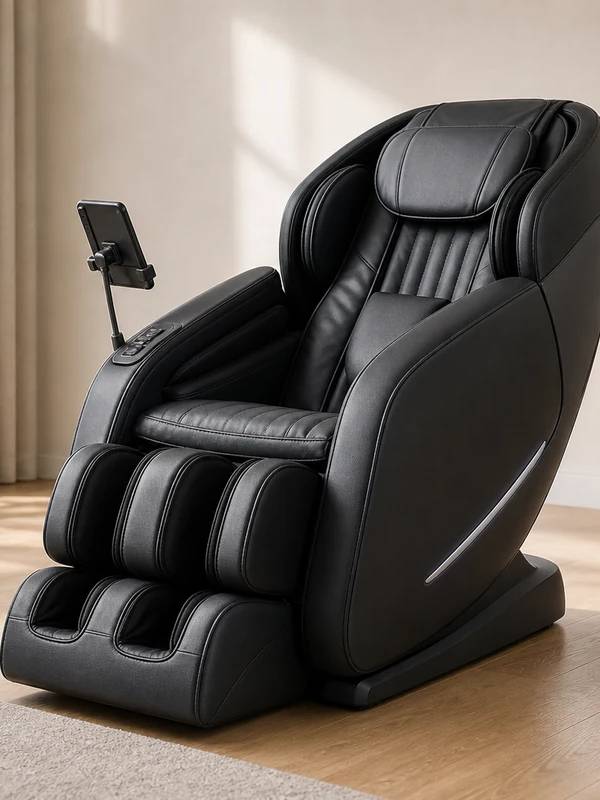
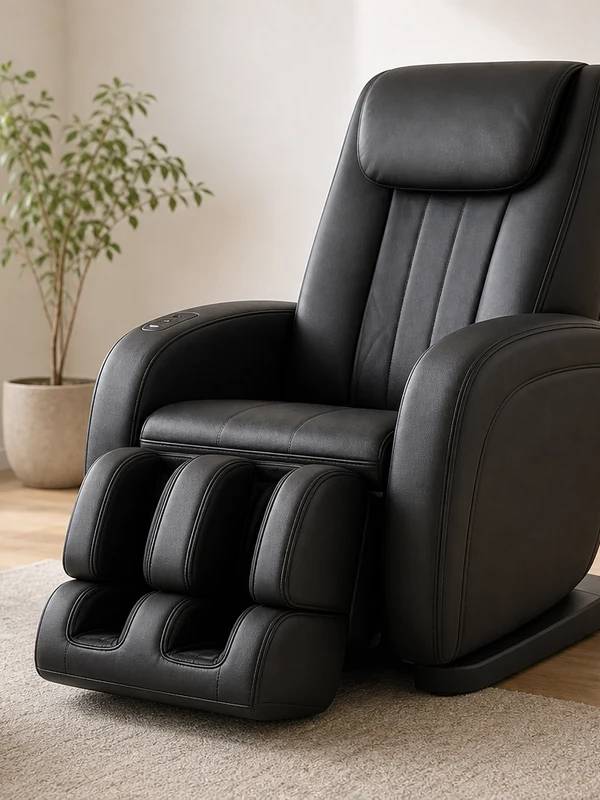
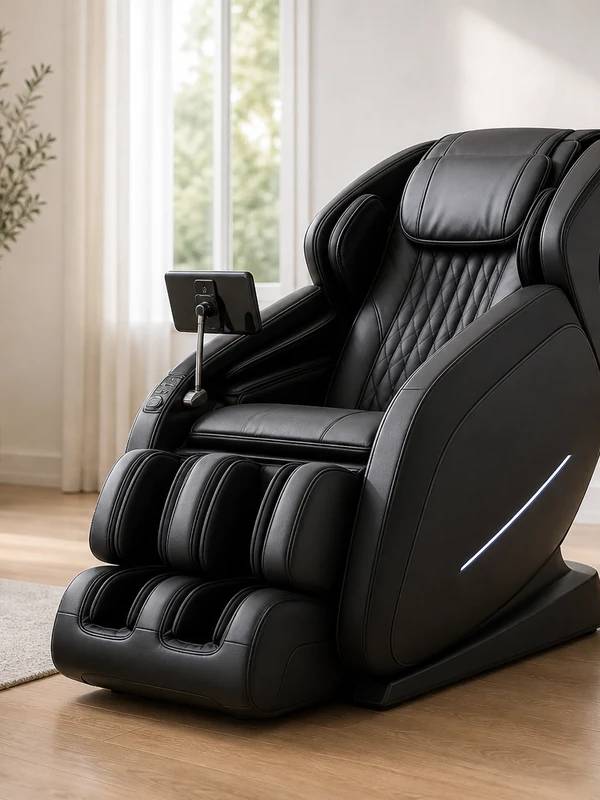
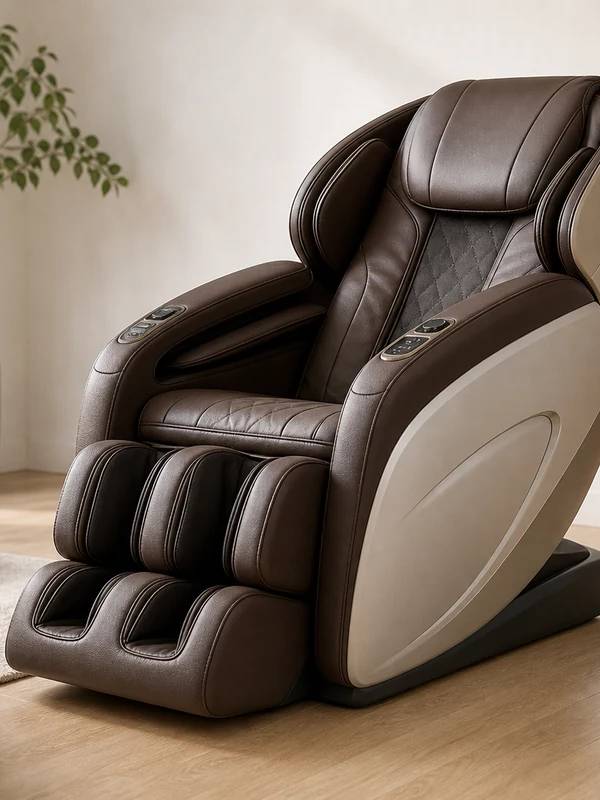
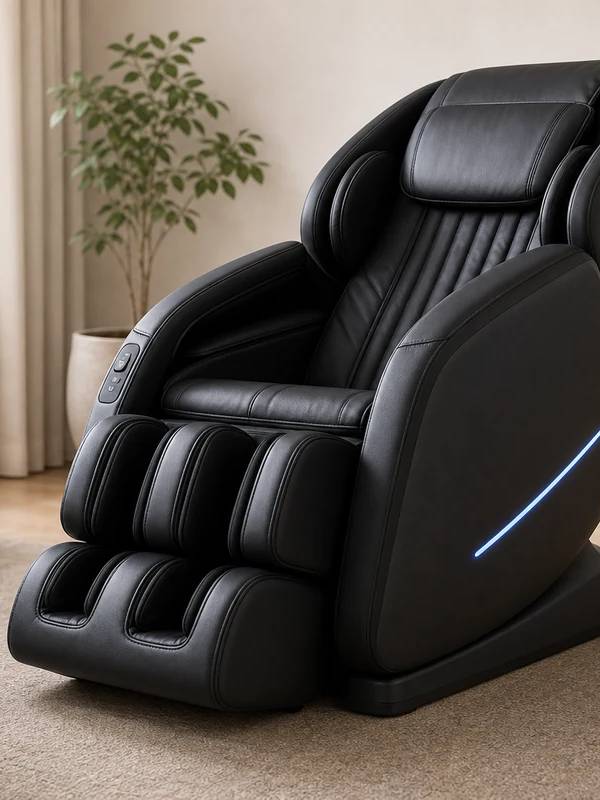
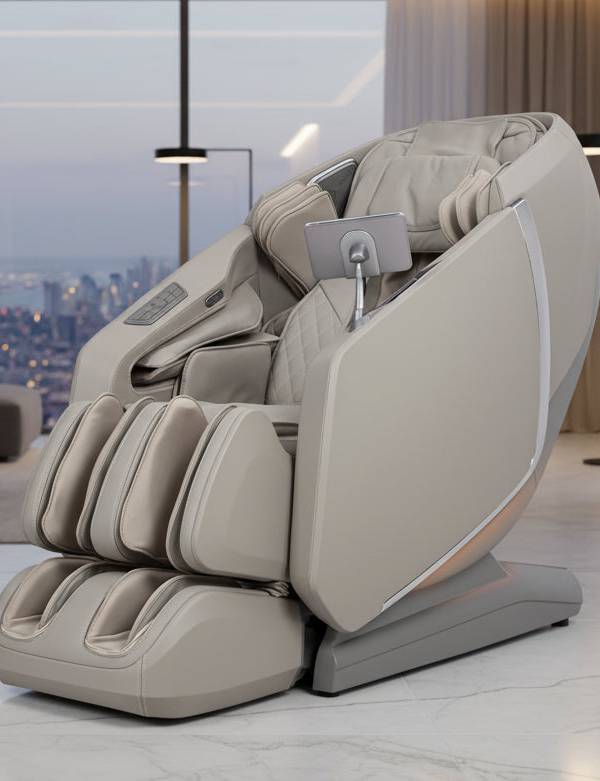
The massage-chair decision comes down to two things the marketing buries under airbag counts: how deep and adjustable the rollers are (2D moves flat, 3D adds depth you can dial, 4D varies rhythm to feel like human hands), and how far the track reaches (an SL- or L-track runs from your neck to your glutes; an S-track stops at the lower back). A 4D chair with heat and a long track mimics a real therapist; a good 3D SL-track chair gets most of the way for a fraction of the price. How tall you are and where it'll live settle the rest.

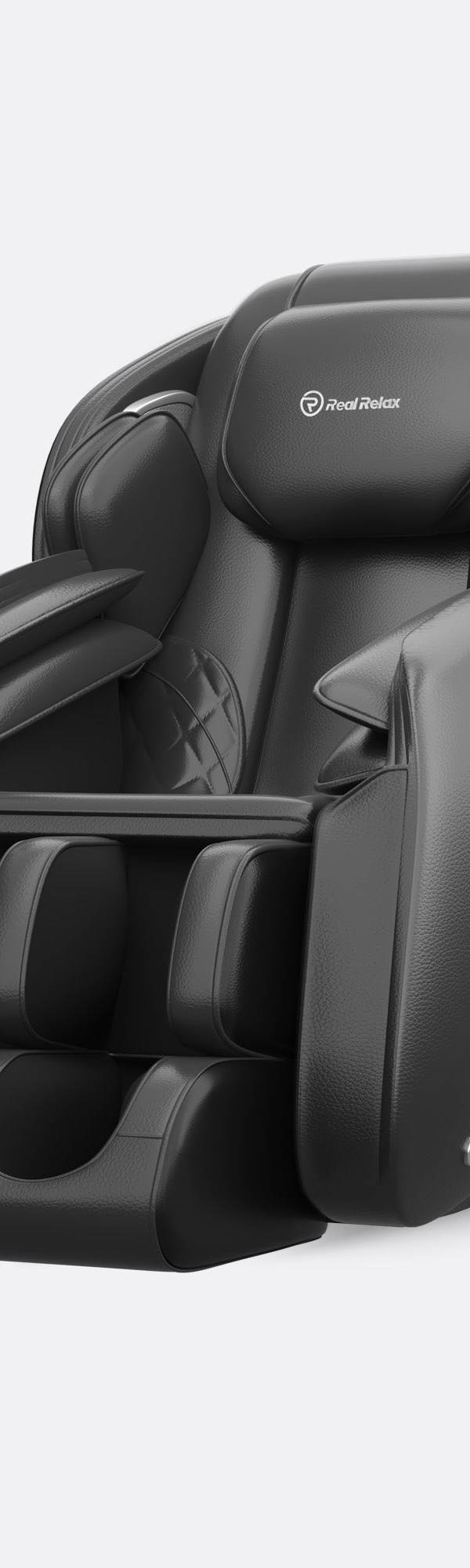
For most homes the Osaki OS-Pro 4D Maestro LE 2.0 is the most complete pick: 4D rollers with heat, a long L-track, body scan, and 70-command voice control. Want genuine 4D and rare multi-zone heat without a five-figure price, the Osaki OS-Highpointe 4D comes in under $5,000. The deepest, most precise massage is the Japanese-engineered Synca Kagra with its 3.5-inch stroke; the most advanced stretch and depth overall is the flagship Daiwa Supreme Hybrid with a true inversion. And the sensible way in is the Real Relax Favor-06 — a real zero-gravity SL-track chair with heat for around $1,500.

Not sure how deep you need to go? Take the 60-second quiz, which weighs massage depth, your body size, heat, space, and budget.

Start the questionnaire →

7 questions · about a minute

What we look for in a great massage chair

  • Massage qualityWeight 0.25

    Roller technology (2D vs 3D vs 4D), how deep and adjustable the rollers are, and how closely the massage mimics a real therapist's hands.

  • Track coverageWeight 0.18

    Track type and length — S-track follows the spine, L/SL-track extends from neck to glutes, and dual/flex tracks add stretch and decompression.

  • Features & programsWeight 0.17

    Heat (rollers, lumbar, calf), air-cell compression, zero-gravity stages, stretch programs, body scan, voice and app control, and auto programs.

  • Comfort & fitWeight 0.15

    Seat and shoulder width, supported height and weight range, and how easy the chair is to get in and out of for your body.

  • Build quality & warrantyWeight 0.13

    Frame and upholstery quality, manufacturer reputation, and the length and coverage of the parts, labor, and structure warranty.

  • ValueWeight 0.12

    Upfront price against features, plus realistic total cost of ownership and brand support relative to comparable chairs.

What's in our catalog

8 picks

Frequently asked questions

Are massage chairs worth it?
If you'll use one several times a week for back tension, recovery, or stress, a good chair pays back quickly versus regular massage appointments. Occasional users may be better served by a cheaper SL-track chair or a handheld percussion device. The value is in consistency and convenience: a chair makes daily massage effortless.
What's the difference between 2D, 3D, and 4D massage chairs?
2D rollers move up/down and side/side along the track. 3D rollers add depth, protruding in and out so you can dial intensity from gentle to deep. 4D adds a rhythm/speed dimension so the rollers can pause, vary pace, and feel more like human hands. 4D is the most therapist-like but adds cost.
What is an L-track or SL-track, and does it matter?
An S-track follows the natural S-curve of your spine. An L-track extends the rail under the seat to reach the glutes and hamstrings. An SL-track combines both for neck-to-thigh coverage. If you want lower-back, glute, or hip relief, an L or SL track matters a lot; for upper-back focus an S-track can be enough.
What is zero gravity and why do massage chairs use it?
Zero gravity reclines you so your knees sit at or above heart level, distributing your weight along the chair and taking pressure off the spine. It makes roller pressure feel deeper and more even and improves circulation. Many chairs offer two or three zero-gravity stages for different recline angles.
How much space and clearance do I need?
Footprints vary, but plan for a recliner-sized space plus rear clearance. Older chairs need a foot or more behind them to recline; modern space-saving designs slide forward and need only 2-5 inches of wall clearance. Check the reclined length and your ceiling if you're tall.
How tall or heavy can I be and still fit?
Most chairs list a supported height and weight range — commonly around 5'0" to 6'3" and up to 260-300 lbs. Taller or broader users should prioritize chairs with longer tracks, wider seats, and a 300 lb capacity. Fit affects whether the rollers actually hit your neck and lower back correctly.

How we grade

We score every product on the criteria that actually decide the purchase.

PickGrade compares massage chairs around practical fit: how deep and adjustable the massage is, track coverage, heat and stretch features, comfort and body fit, build quality and warranty, and price. We do not claim hands-on lab testing unless a page states it directly; recommendations are based on structured product research, manufacturer specifications, published independent review measurements, and buyer-fit tradeoffs.

Read the full methodology →
PickGrade

The independent grading authority for the things you buy. Research once, decide fast — no sponsored top-10 lists.

Affiliate disclosure — PickGrade participates in affiliate programs, including Amazon Associates and partnerships managed through affiliate networks. We may earn a commission from qualifying purchases at no extra cost to you. This never affects our grades. Full disclosure.

Explore

Contact

Questions, feedback, or partnership inquiries?

admin@pickgrade.com

Company

© 2026 PickGradeNo sponsored placements · Ever