← All guides
The buyer's guide
Vlogging Cameras
Er
Reviewed by
Eran Yorkovsky · Founder, PickGrade
Vlogging cameras run from about $400 to $1,400 — the premium buys the stabilization and autofocus that actually make handheld footage usable. We match it to your shooting.
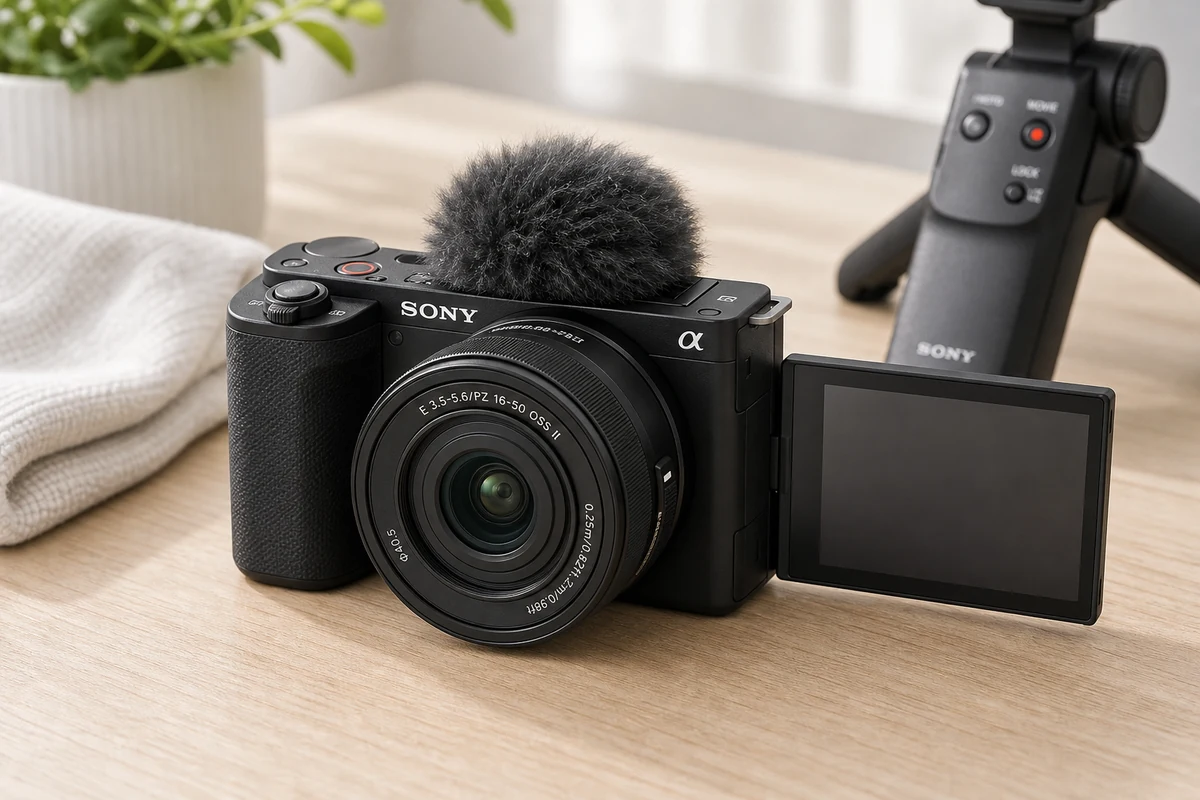
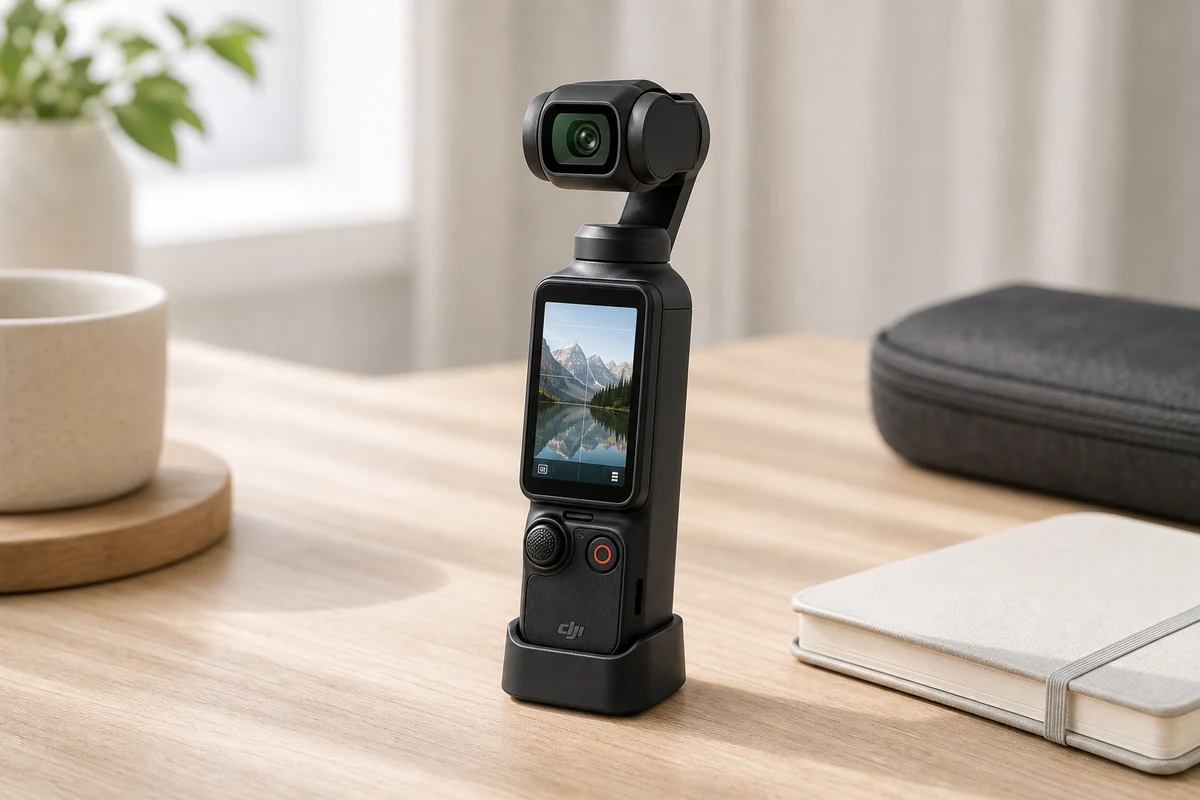
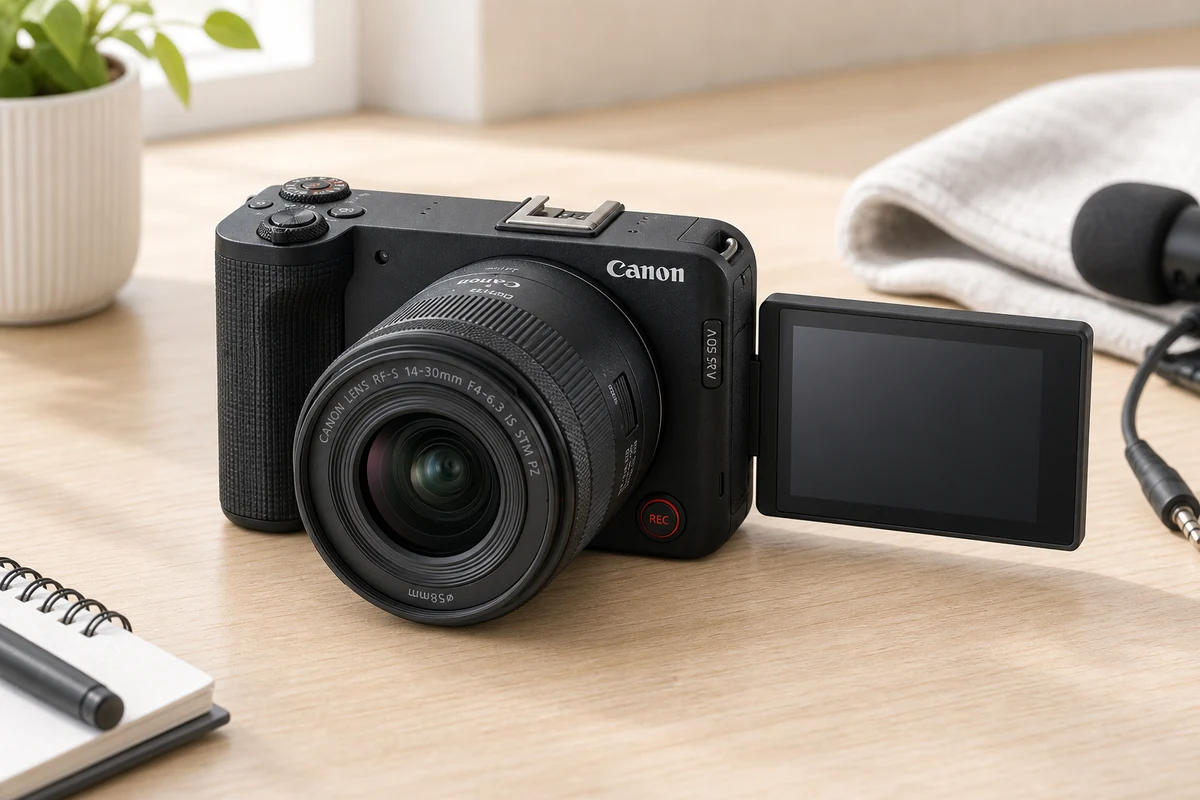
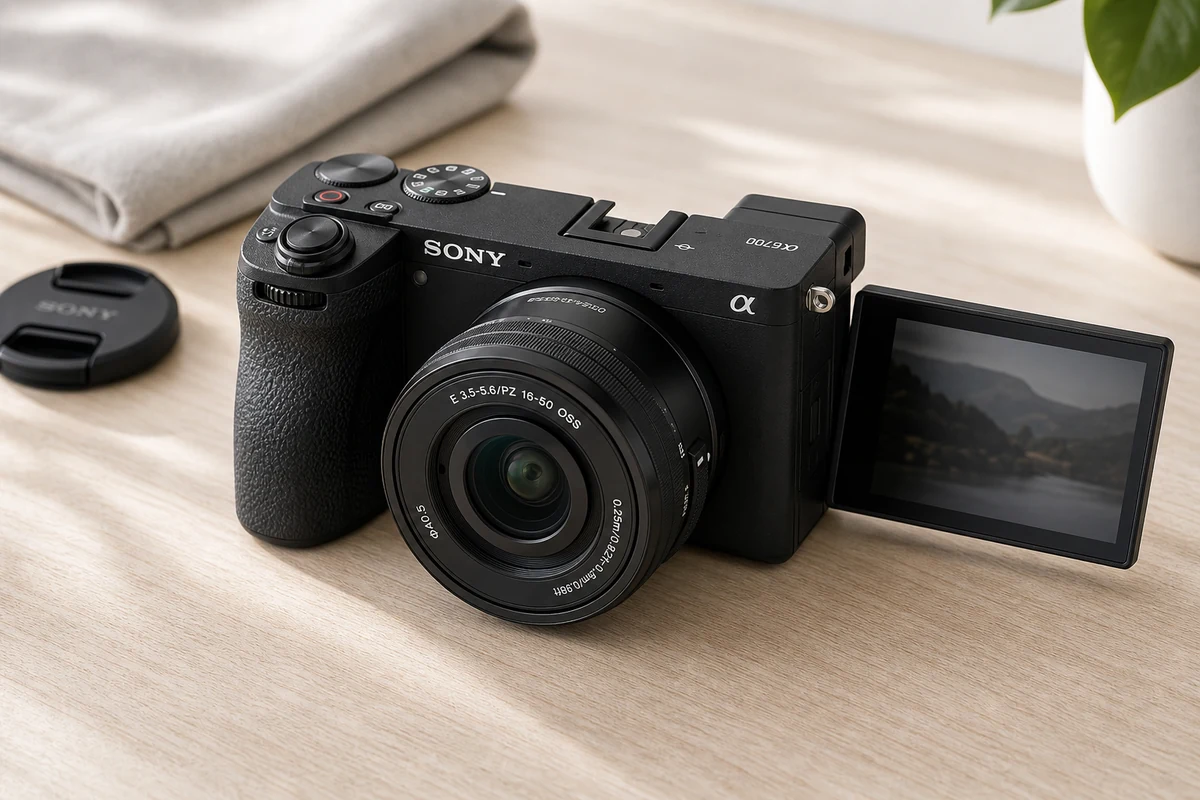
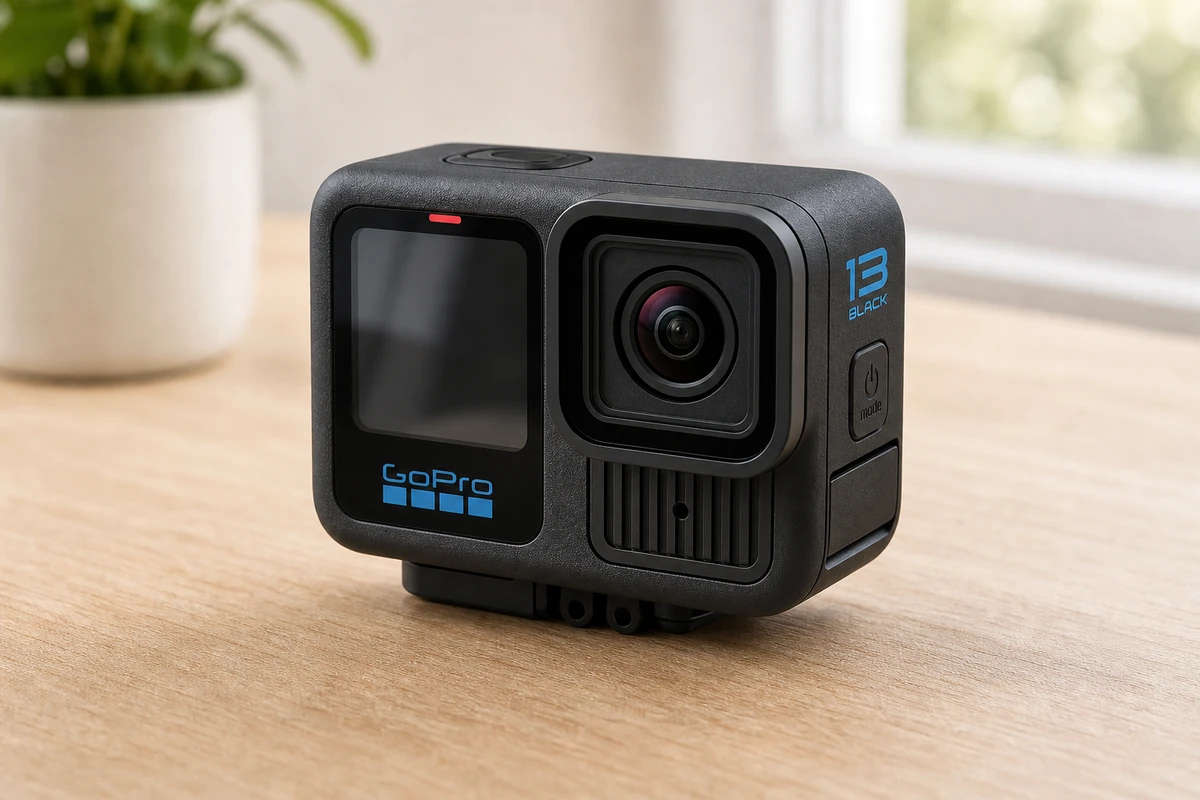
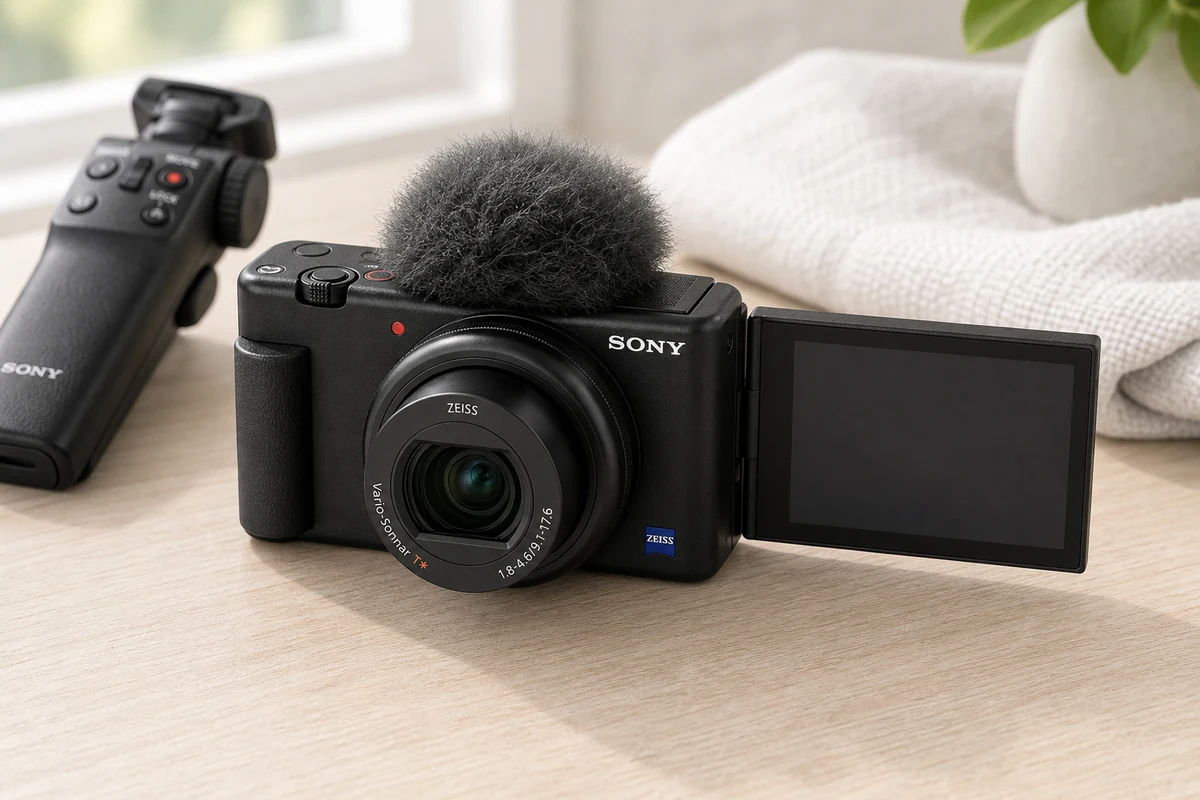
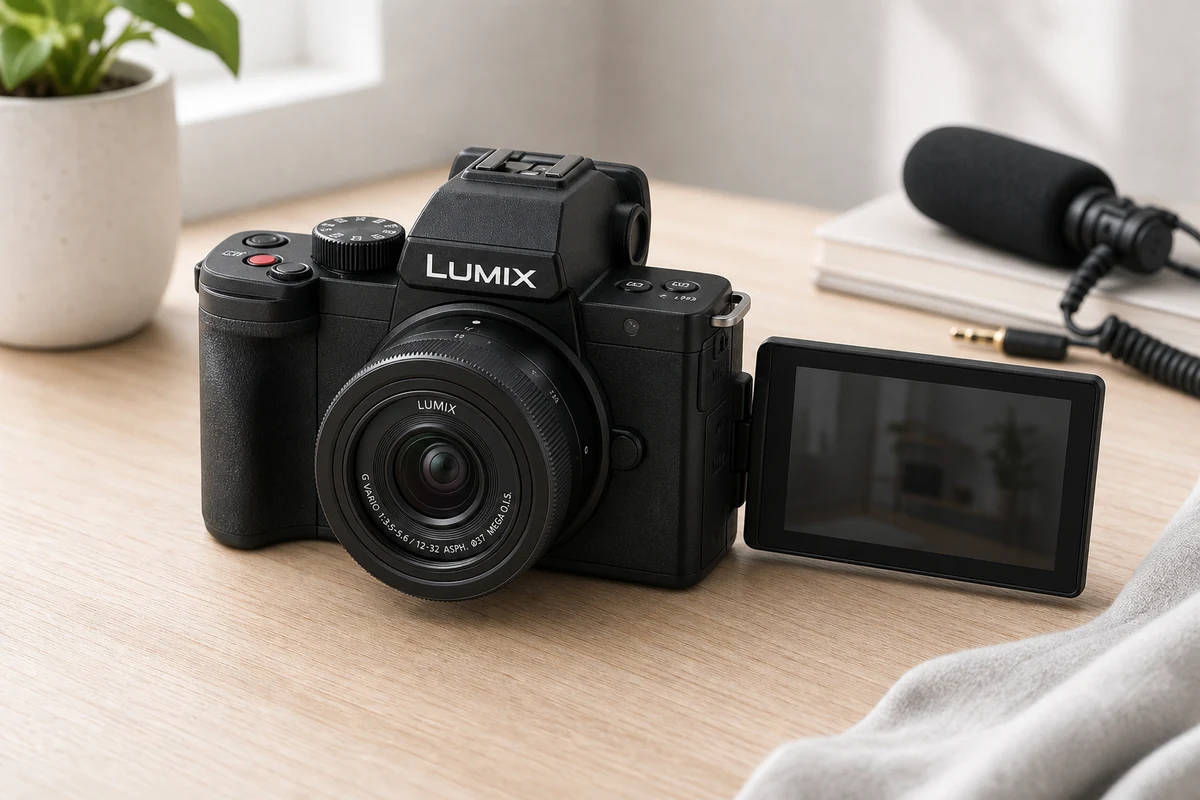
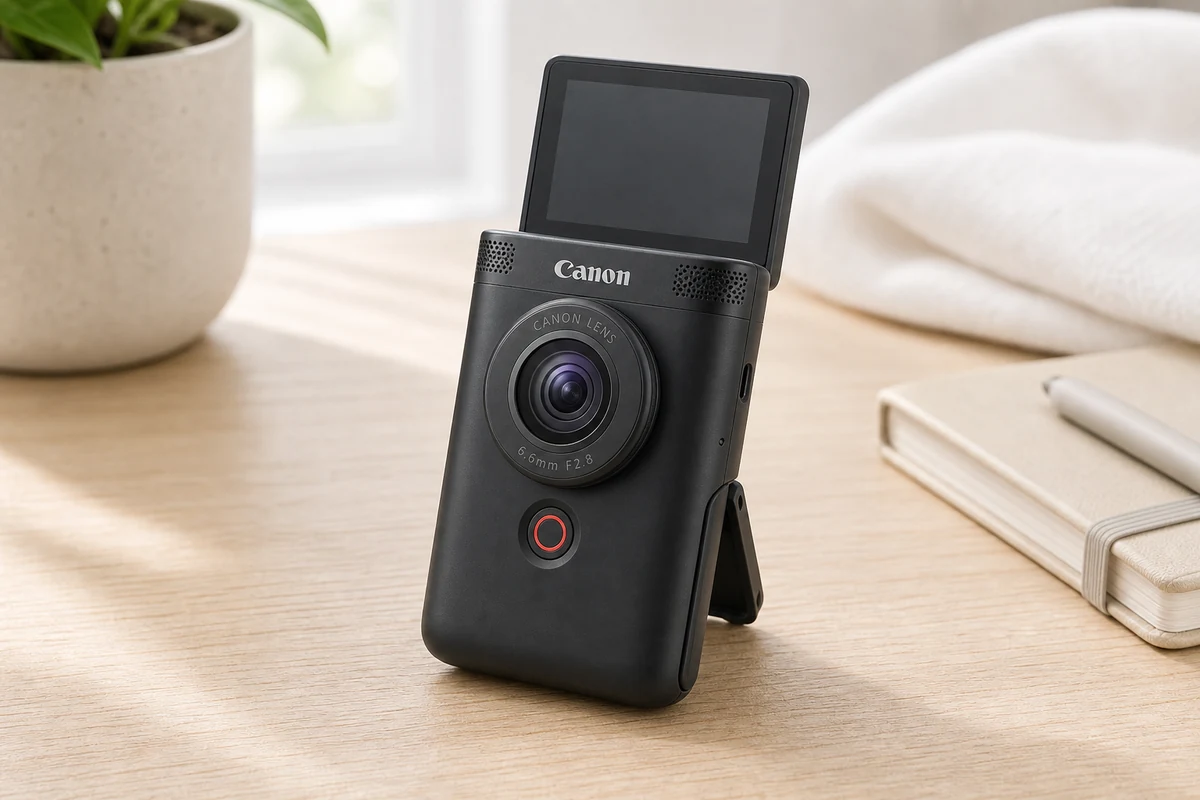
The best vlogging camera isn't the one with the biggest sensor or the highest resolution — it's the one that keeps your face sharp, your footage steady, and your audio clean for the way you actually shoot. We rank eight of the best, from pocket gimbals to interchangeable-lens bodies, scored on autofocus, stabilization, audio, and value rather than photo-first specs. Want a personalized pick in about a minute? Take the quiz above.
Start the questionnaire →
4 questions · about a minute