Products graded for smarter buyingNo sponsored placements · Ever
Head-to-head
Wix vs WordPress.com vs Webflow vs Shopify


Verdict
Wix
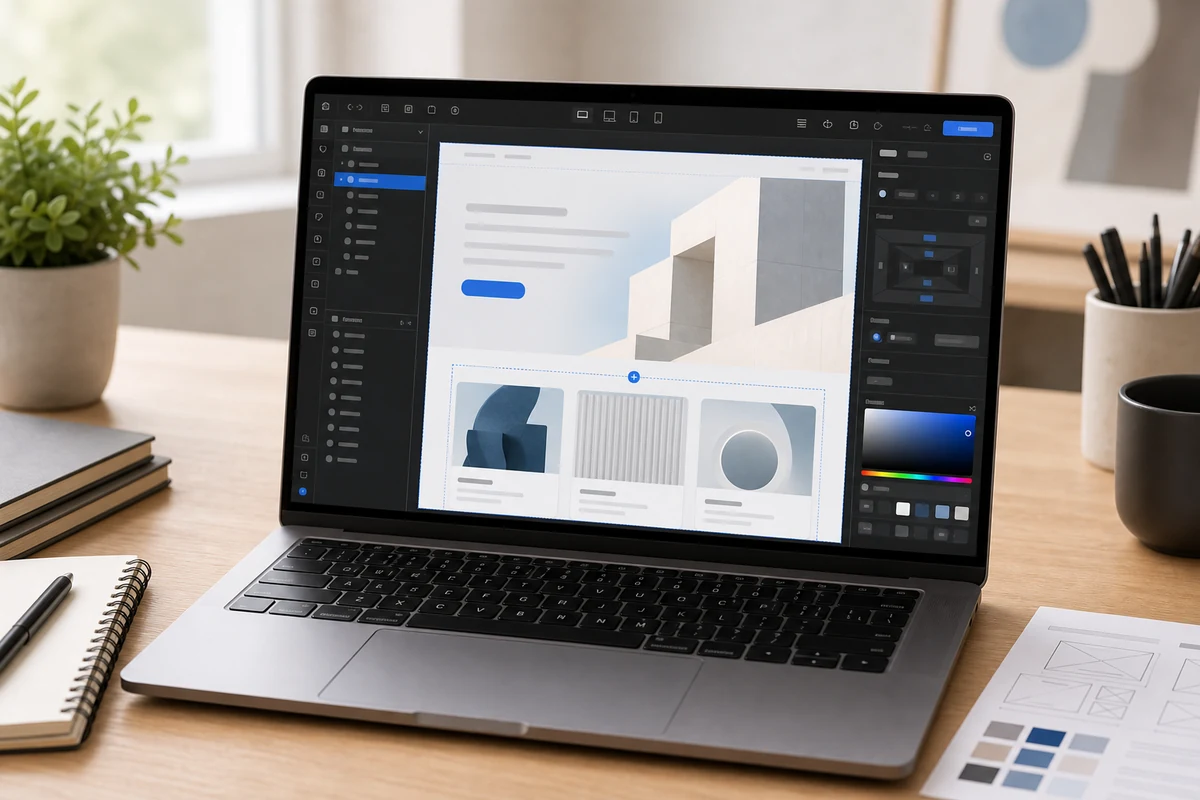
The dependable default for a non-technical owner: a freeform editor, 900+ templates, and built-in bookings, forms, and payments, all fully hosted. Just know you can't swap templates after publishing, the site isn't portable, and big stores (500+ products) outgrow it.
WordPress.com
The flexible, SEO-strong CMS for blogs and content-heavy sites, built on the platform that runs ~43% of the web. Endlessly extensible, but plugins and custom themes need the ~$25 Business plan, and it asks more setup than Wix or Squarespace.
Webflow
The pick when design is a competitive advantage: pixel-perfect control, clean code, strong SEO, and a real CMS, all with managed hosting. Just budget for two separate billing systems and a steep learning curve, and pair it with Shopify if you need serious ecommerce.
Shopify
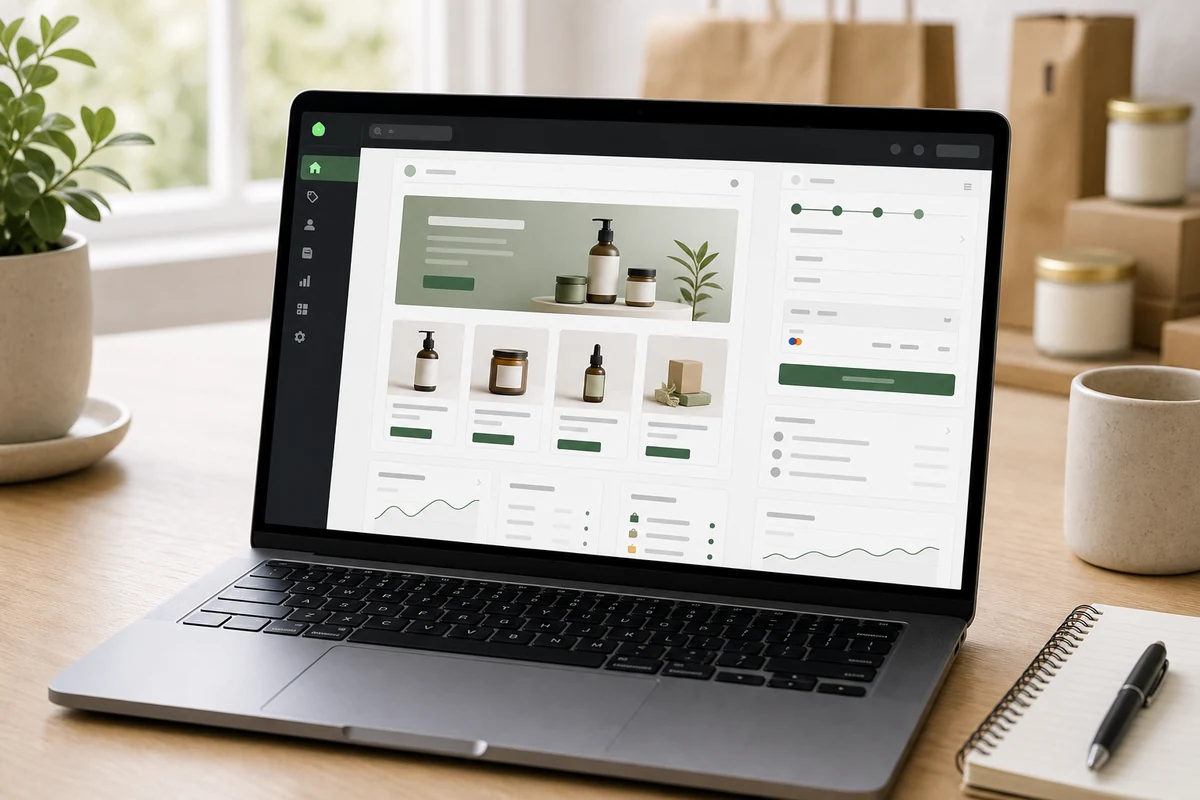
The ecommerce standard: real checkout, inventory, shipping, and payments out of the box, plus a huge app ecosystem that scales from solo shop to enterprise. Best when selling is the point; overkill for a content site, and apps plus transaction fees add up.
Best for
Wix
Small businesses, local services, consultants, and non-technical owners who want an easy website builder with templates and built-in business features.
WordPress.com
Businesses, creators, and publishers that plan to grow traffic with content, SEO pages, articles, and structured publishing.
Webflow
Design-led teams, agencies, SaaS companies, and marketers who need a polished custom website with CMS control.
Shopify
Businesses that primarily need an online store with products, checkout, payments, inventory, shipping, and room to grow.
Avoid if
Wix
you need deep design-system control, complex custom logic, or a developer-first build.
WordPress.com
you want the simplest visual drag-and-drop editor or a fast one-page landing page with minimal setup.
Webflow
a non-technical owner needs the simplest possible editing experience with almost no learning curve.
Shopify
your website is mostly a brochure, portfolio, or service-business site with only occasional payments.
Score breakdown
fit
Wix
9.2
WordPress.
8.9
Webflow
9.0
Shopify
9.4
ease
Wix
9.4
WordPress.
8.3
Webflow
8.2
Shopify
8.8
value
Wix
9.0
WordPress.
9.0
Webflow
8.2
Shopify
8.3
quality
Wix
8.8
WordPress.
8.8
Webflow
9.2
Shopify
9.4
Specs
seo
Custom meta, redirects, structured data; much improved since ~2023
—
—
—
apps
Wix App Market for added functionality
—
—
—
type
All-in-one no-code website builder (hosted SaaS)
—
—
—
editor
Freeform drag-and-drop + ADI; Wix Studio for advanced/dev control
—
—
—
hosting
Fully managed hosting, security, and SSL included
—
—
—
best for
SMB/service sites, portfolios, bookings, small stores
—
—
—
ecommerce
On Core plan and up: payments, inventory, abandoned-cart, auto tax
—
—
—
free plan
Yes (with Wix ads and branding)
—
—
—
templates
900+ mobile-responsive; cannot be swapped after publishing
—
—
—
paid plans
Light ~$17, Core ~$29, Business ~$36, Business Elite ~$159 /mo (billed annually)
—
—
—
scale note
Best under ~500 products; Shopify/WordPress for larger or complex builds
—
—
—
CMS
—
Built on open-source WordPress, which powers ~43% of all websites
—
—
SEO
—
Strong, granular SEO control and clean output
Clean semantic HTML, custom schema, full meta and sitemap control
—
Hosting
—
Managed hosting on WordPress.com (no server management)
—
—
Best for
—
Blogs, SEO, and content-heavy sites
Custom marketing sites, design-led brands, SaaS sites, and agencies
Online stores selling physical products with real checkout and operations
Flexibility
—
Extensible via thousands of themes and plugins (plugins need Business+)
—
—
Premium plan
—
~$8–18/mo — more design control and monetization
—
—
Business plan
—
~$25/mo — unlocks third-party plugins and custom themes (the real flexibility tier)
—
—
Commerce plan
—
~$45/mo — WooCommerce-based store features
—
—
Pricing model
—
Managed WordPress hosting; tiered plans, with plugins/custom themes gated to Business+
—
Tiered monthly plans plus transaction fees unless you use Shopify Payments
Free / Personal
—
Free tier and Personal (~$4–9/mo) for basic blogs and sites
—
—
AI
—
—
App Gen and AI credits for generating pages and production-ready app components
—
Bundled
—
—
Hosting, SSL, CDN, security, and backups included in the platform fee
—
Ecommerce
—
—
From ~$29/mo with a 2% transaction fee on the entry tier
—
All-in cost
—
—
Typically $25–$109/mo depending on seats, bandwidth, and ecommerce
—
Billing model
—
—
Site plans (hosting) and Workspace plans (design/seats) are billed separately
—
Basic site plan
—
—
$15/mo annual — static sites, no CMS
—
Workspace plans
—
—
Freelancer ~$16/mo, Agency ~$35/mo, plus new Team plans; editor seats add cost
—
Premium site plan
—
—
$25/mo — full CMS (40 collections, 20,000 items); merged the old CMS + Business plans
—
Scale
—
—
—
Powers 1M+ stores; scales from solo shops to enterprise via Plus
Themes
—
—
—
Free and premium themes (premium ~$100–400 one-time)
Starter
—
—
—
~$5/mo — sell via social, links, and chat; no full storefront
Built in
—
—
—
Checkout, product catalog, inventory, shipping integrations, payments
Basic plan
—
—
—
$39/mo monthly (~$29/mo annual) — full online store, 2 staff accounts
Higher tiers
—
—
—
Shopify ~$105/mo, Advanced ~$399/mo, Plus (enterprise, custom)
App ecosystem
—
—
—
Thousands of apps for any store need (many are paid)
Transaction fees
—
—
—
0.5–2% on external gateways; waived with Shopify Payments
PickGrade may earn a commission from purchases made through links on this page, at no extra cost to you. This never affects our grades. Full disclosure.