Head-to-head
DJI Air 3S vs DJI Mavic 4 Pro
This is the creator step-up question: $1,099 already buys the Air 3S's dual cameras, 1-inch main sensor, and LiDAR-assisted night flying — so what does doubling the budget add? The Mavic 4 Pro answers with three Hasselblad cameras, a 100MP main sensor, and a gimbal that rotates for true vertical shooting. Whether that's a revelation or an indulgence depends entirely on whether anyone pays for your footage.
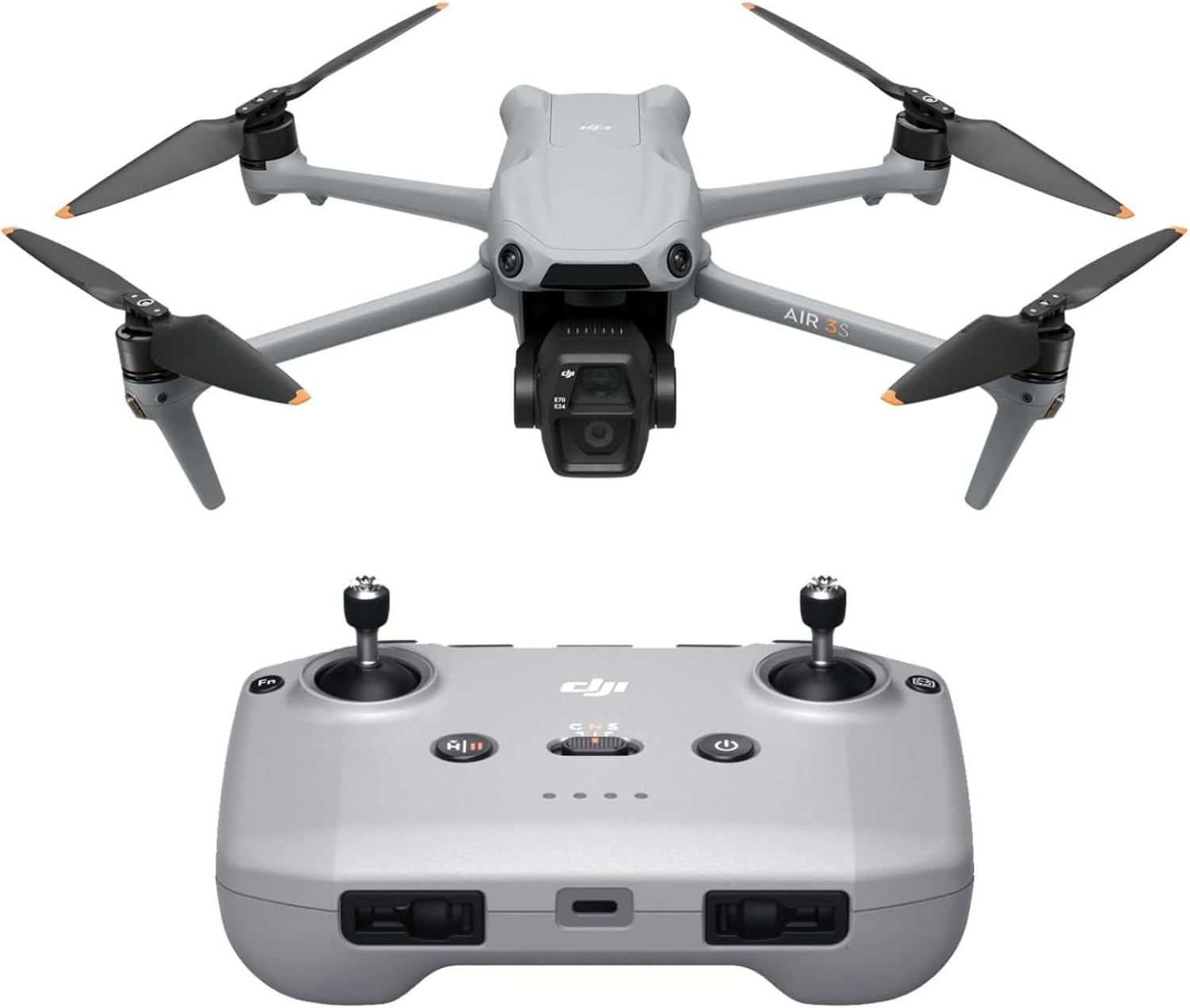 DJI Air 3S | 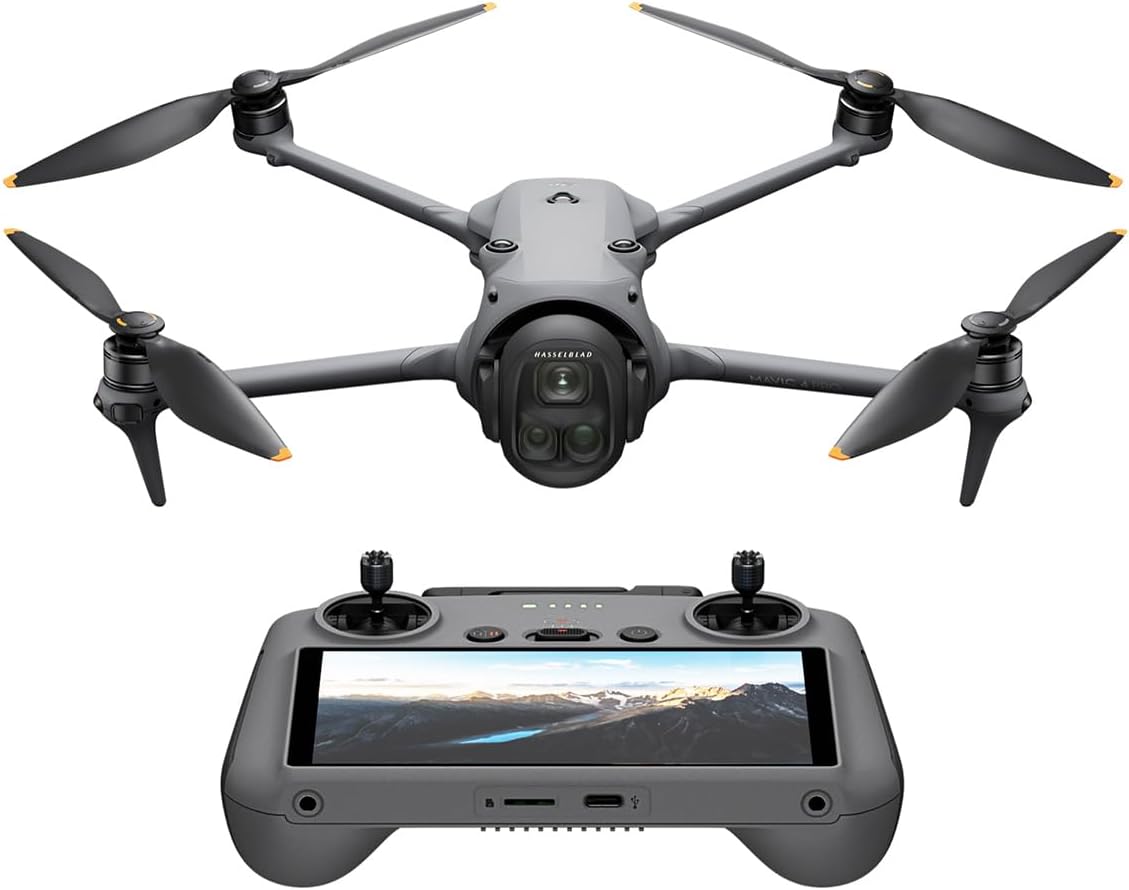 DJI Mavic 4 Pro | |
|---|---|---|
| Score | 9.2 | 9.1 |
| Price | $1,099 | $2,199 |
| Verdict | The sweet spot below flagship. The Air 3S adds a big 1-inch sensor and a second telephoto camera, so you frame wide and tight shots without moving, and it flies 45 minutes. At 724g it needs registration and isn't pocketable, but for serious video it's the value pick. | The ceiling for foldable drones. A triple Hasselblad system, a 100MP main sensor, 6K/60 video, and a gimbal that spins a full 360 put pro footage in a pack. It's over $2,000 and over a kilo, overkill for casual flyers, but for working creators it's the best made. |
| Best for | Creators who want upgraded image quality, tracking, wind confidence, and more camera flexibility than a tiny travel drone. | Serious aerial creators, real-estate shooters, and travel filmmakers who can justify premium image quality and advanced flight features. |
| Avoid if | You want the smallest sub-250g setup, a beginner price, or a drone mainly for occasional vacation clips. | You are a beginner, fly only occasionally, or need a compact drone that avoids premium price and weight trade-offs. |
| Score breakdown | ||
| fit | 9.2 | 9.0 |
| ease | 8.9 | 8.3 |
| value | 8.6 | 7.4 |
| quality | 9.3 | 9.7 |
| Specs | ||
| price | ~$1,099 (RC-N3 kit) | ~$2,199 (base; Fly More ~$3,000+) |
| video | 4K/60, 4K/120 slow-mo; 10-bit D-Log M; vertical | Up to 6K/60 HDR, 10-bit (no Apple ProRes) |
| safety | Omnidirectional sensing + infrared + forward LiDAR (night) | Omnidirectional sensing + LiDAR (near-dark flying) |
| weight | 724g (FAA registration required) | ~1063g (FAA registration required; Part 107 for paid work) |
| cameras | 1-inch wide (50MP) + 70mm 3x medium-tele (48MP) | — |
| storage | 42GB internal + microSD | — |
| flight time | Up to 45 minutes | Up to 51 minutes; O4+ ~30km |
| dynamic range | Up to 14 stops; ISO to 12,800; strong low-light | — |
| gimbal | — | 360-degree Infinity Gimbal; true vertical |
| main camera | — | 28mm 100MP 4/3 Hasselblad; variable f/2.0-f/11 |
| tele cameras | — | 70mm + 168mm telephoto (triple-camera system) |
| Buy → | Buy → | |
Final verdict
Working creators should pay for the Mavic: the larger sensors, telephoto reach, and rotating gimbal open shots the Air 3S physically can't take, and clients see the difference. For everyone else — including most serious hobbyists — the Air 3S is the smarter $1,100: the same tracking, the same LiDAR-assisted confidence at night, and dual cameras that cover the shots you'll actually publish.
PickGrade may earn a commission from purchases made through links on this page, at no extra cost to you. This never affects our grades. Full disclosure.