Reviewed by
Eran Yorkovsky · Founder, PickGrade
Head-to-head
DJI Mini 4 Pro vs DJI Air 3S
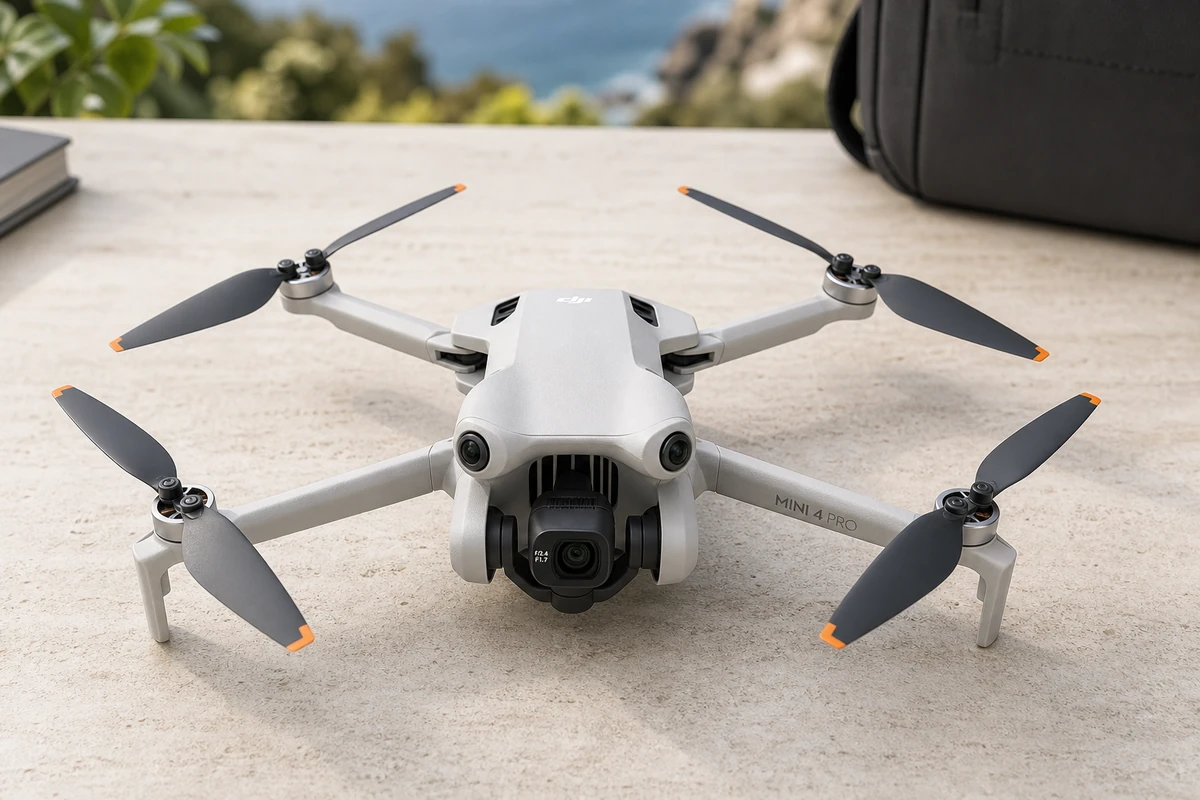
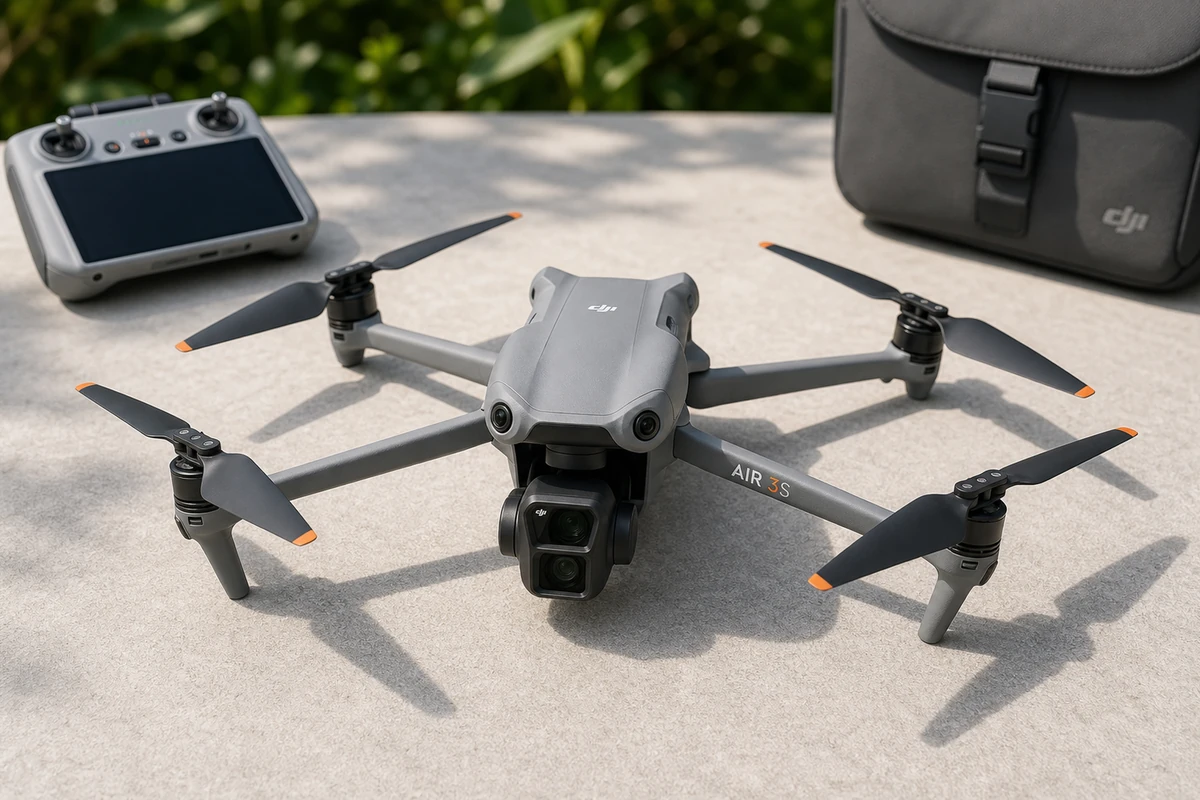
The DJI Mini 4 Pro and Air 3S are the two drones most buyers cross-shop, and the decision starts with a single number: 249 grams. By staying just under 250g, the Mini 4 Pro skips FAA registration for US recreational pilots (and earns Class C0 status in Europe), so you can fly it almost anywhere. The Air 3S weighs 724g — nearly three times as much, which means registration and more restrictions, but it buys real capability. It carries a genuine dual-camera system, a 1-inch main sensor plus a dedicated 70mm 3x telephoto, where the Mini has a single 1/1.3-inch camera and only digital zoom. It also adds forward-facing LiDAR, letting it detect and avoid obstacles in near-darkness — a first for consumer drones and a real unlock for night shooting. It flies longer (about 45 minutes versus the Mini's 34 on its standard battery) and handles stronger wind (Level 6 vs 5). The Mini fires back with one neat trick: a gimbal that rotates 90° for true vertical 4K, ideal for social video. Here's how to choose.
PickGrade may earn a commission from purchases made through links on this page, at no extra cost to you. This never affects our grades. Full disclosure.
Final verdict
Choose the DJI Mini 4 Pro if portability and freedom matter most — its sub-250g weight means fewer rules, easier travel, and spontaneous flights almost anywhere, and it still shoots lovely 4K with true vertical video. It's also cheaper. Choose the DJI Air 3S if image quality and capability come first: the 1-inch sensor and 70mm telephoto, longer flights, better wind resistance, and LiDAR night flying are a real step up, if you accept the weight and registration. Travelers and casual flyers go Mini; serious creators go Air.
Was this comparison useful?