Head-to-head
Fitbit Air vs Fitbit Charge 6: which Fitbit should you buy?
Google now sells two very different Fitbits at a similar price, and they share the same excellent sleep tracking and Google Health app. The Fitbit Air strips everything back to a 5-gram screen-free pod; the Fitbit Charge 6 keeps the color screen, adds ECG and built-in GPS, and works as a glanceable everyday band. This is the "which Fitbit" question, answered on comfort, features, and price.
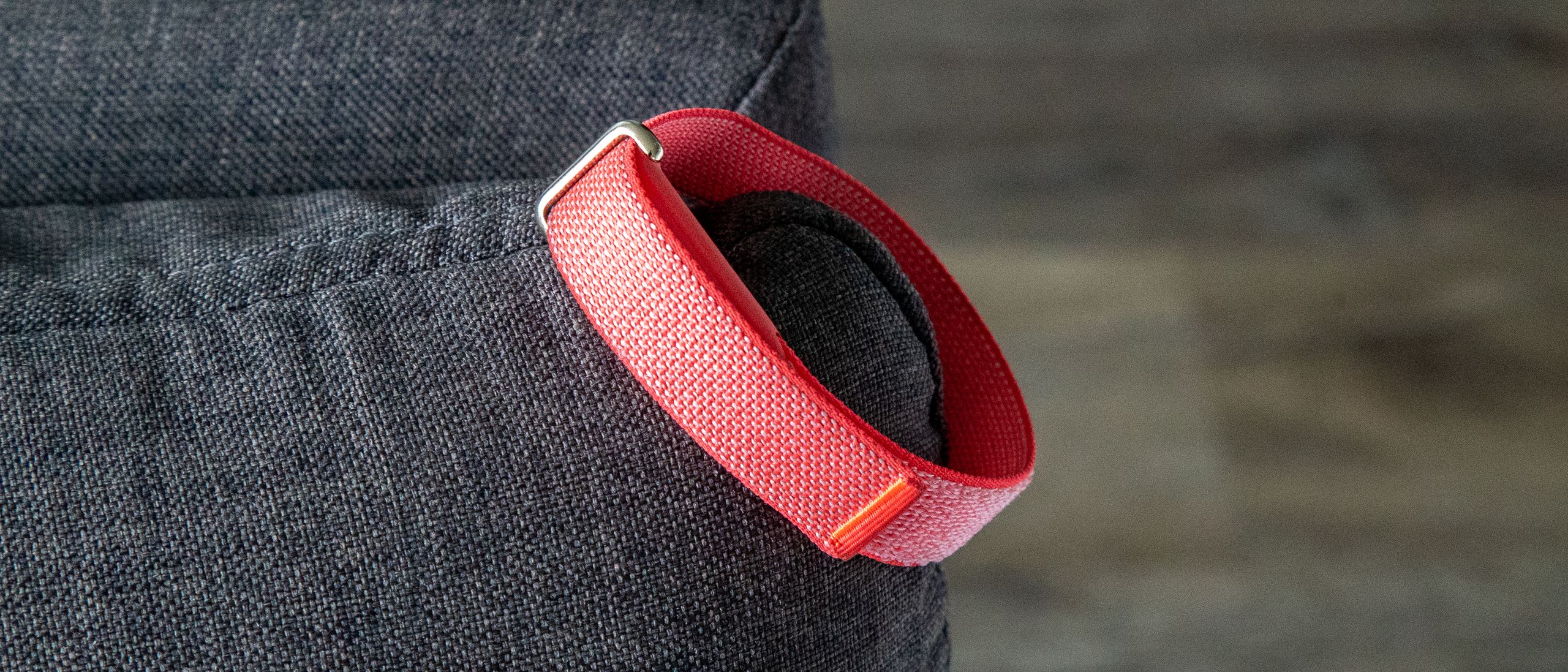 Fitbit Air Fitbit | 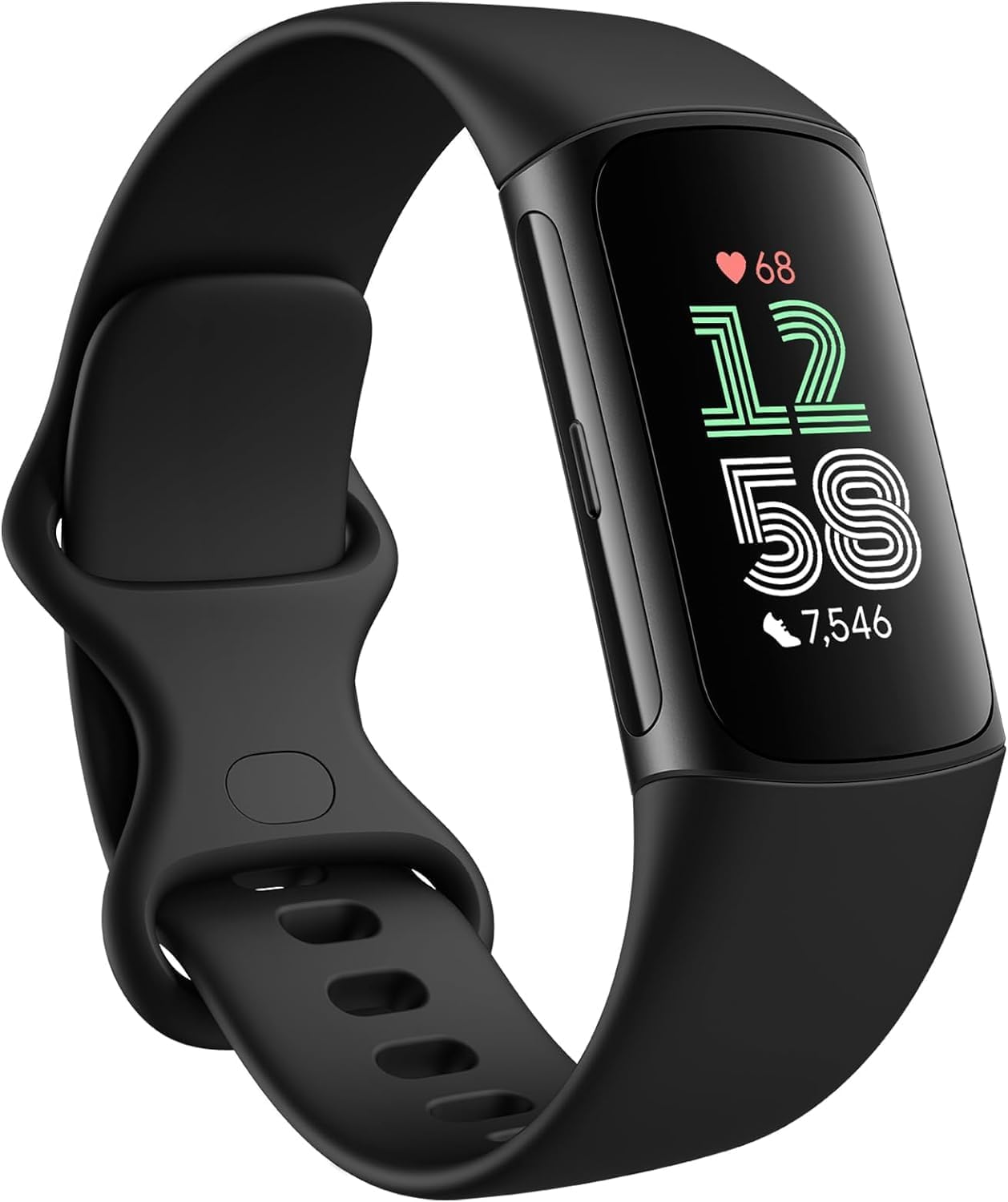 Fitbit Charge 6 Fitbit | |
|---|---|---|
| Score | 7.7 | 7.5 |
| Price | $99 | $159.95 |
| Verdict | Google's screen-free debut gives you Fitbit's excellent sleep tracking, recovery, and AFib checks in a 5-gram pod with no mandatory subscription — the anti-WHOOP. There's no built-in GPS, and the deepest trends and AI coaching sit behind optional Premium, but the core is free. | Still the most feature-complete band Fitbit makes: ECG, built-in GPS, Google Wallet and Maps, and class-leading sleep tracking. The built-in GPS is unreliable and some depth needs Premium, but at its frequent sub-$130 street price it's an easy recommendation. |
| Best for | you want serious sleep and recovery tracking in a barely-there pod, and you refuse to pay a monthly subscription. | you want the most complete Fitbit band with ECG and top-tier sleep tracking, and you'll catch it on a discount. |
| Avoid if | you want a screen, built-in GPS for phone-free runs, or a long track record — this one is brand new. | you rely on accurate built-in GPS for outdoor runs, or you resent paying Premium to unlock your own long-term data. |
| Score breakdown | ||
| value | 8.0 | 7.0 |
| battery life | 7.0 | 6.5 |
| app experience | 7.5 | 7.5 |
| comfort design | 9.0 | 8.0 |
| health insights | 7.5 | 8.0 |
| tracking accuracy | 7.5 | 7.5 |
| Specs | ||
| App | Google Health (Fitbit) | — |
| Weight | 5.2 g pod (~12 g with band) | ~30 g |
| Metrics | Sleep stages, Cardio Load, Daily Readiness, resting HR, nap detection | — |
| Sensors | Optical HR & HRV, SpO2, skin temperature, AFib checks | Optical HR (PurePulse Gen 3), ECG, EDA, SpO2, skin temp |
| Released | May 2026 | 2023 |
| Form factor | Screen-free pod + band | — |
| Battery life | ~7 days (5-min charge ≈ 1 day) | Up to 7 days (≈5 real-world) |
| Built-in GPS | false | Yes (plus GLONASS) — but unreliable |
| Subscription | Core free; Premium optional ($9.99/mo, 3 mo included) for AI coach & deep trends | Core free; 6 mo Premium included, then $9.99/mo for full depth |
| Compatibility | iOS and Android | iOS and Android |
| Water resistance | 50 m | 5 ATM (50 m) |
| — | Wallet (NFC), Maps, YouTube Music | |
| Display | — | Color AMOLED touchscreen + haptic button |
| Exercise | — | 40+ modes; HR broadcast to Peloton/NordicTrack/Tonal |
| Health features | — | AFib ECG, EDA stress, SpO2, Daily Readiness (Premium), sleep |
| Buy → | Buy → | |
Final verdict
Pick the Fitbit Air if your focus is sleep and recovery and you want the lightest possible thing to wear at night, for less money — you give up the screen, ECG, and built-in GPS. Pick the Fitbit Charge 6 if you want a glanceable display, an on-demand ECG, and built-in GPS in one band, and you'll wear it during workouts. Same class-leading Fitbit sleep tracking underpins both; the choice is screen-free-and-cheaper versus do-everything.
PickGrade may earn a commission from purchases made through links on this page, at no extra cost to you. This never affects our grades. Full disclosure.