Head-to-head
MacBook Air M5 vs Dell XPS 13: macOS all-rounder or Windows stunner?
This is the ultraportable decision most people actually face: the [MacBook Air (M5)](/product/PG-LAP-MBA-M5) or the [Dell XPS 13](/product/B0D3J8K7QM). Both are thin, beautifully built, and last all day — the Air is fanless at 2.7 pounds with up to 18 hours of battery, and the XPS is a hair lighter at 2.6 pounds and clears 17. They cost within a couple hundred dollars of each other. So the real question isn't which is better built; it's which operating system you want, and how you feel about the XPS's daring, minimalist design.
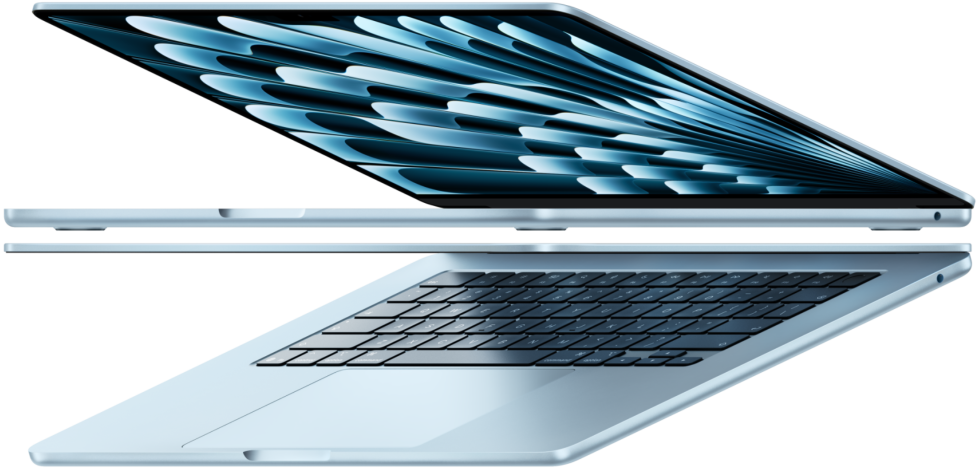 Apple MacBook Air 13-inch (M5) | 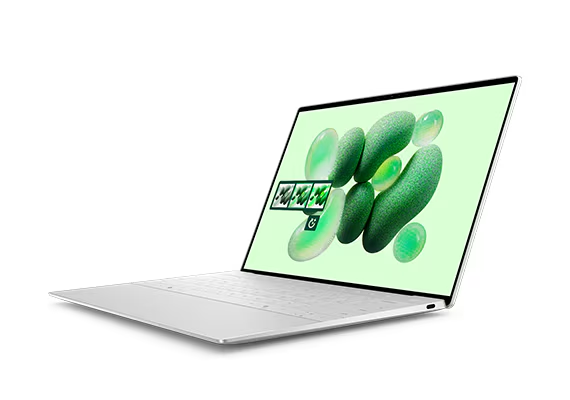 Dell XPS 13 | |
|---|---|---|
| Score | 9.4 | 9.0 |
| Price | $1,099 | $1,299 |
| Verdict | For most people, stop here. The M5 Air is fast enough for everything short of pro video, runs silent, and lasts all day. The chip is the real upgrade; the design is unchanged and the screen's still 60Hz. It's $100 pricier than before at $1,099, but it's the safe call. | A genuinely beautiful Windows ultraportable that finally lasts all day, past 17 hours. The catch is Dell's love-it-or-hate-it design: an invisible touchpad, a capacitive function row, and only two USB-C ports, so pack a dongle. Stunning for travel, an adjustment to live with. |
| Best for | Most students, founders, remote workers, and everyday buyers who want a light Mac laptop with great battery life and very little maintenance. | Windows users who want a compact premium laptop for school, office work, travel, and remote work without moving to macOS. |
| Avoid if | You need Windows-only software, serious gaming, or sustained pro workloads like heavy video editing and local AI experiments. | You need lots of ports, a business-class keyboard, gaming performance, or the lowest possible price. |
| Score breakdown | ||
| value | 8.7 | 7.8 |
| os ecosystem | 9.0 | 9.0 |
| keyboard build | 9.0 | 8.0 |
| display quality | 8.8 | 9.0 |
| performance fit | 8.5 | 8.3 |
| portability battery | 9.6 | 8.8 |
| Specs | ||
| chip | Apple M5 (10-core CPU, 8 or 10-core GPU, 16-core Neural Engine) | — |
| price | From $1,099 (13-inch) | — |
| memory | 16GB unified (configurable to 24/32GB) | 16GB LPDDR5x base (to 32GB) |
| weight | 2.7 lb (1.23 kg) | ~2.6 lb (1.18 kg) |
| battery | Up to 18 hours; fanless | 17+ hours; all-day |
| display | 13.6-inch Liquid Retina IPS, 2560x1664, 500 nits, 60Hz | 13.4-inch 120Hz FHD+ (1920x1200); optional 3K tandem OLED |
| storage | 512GB SSD base, up to 4TB; ~2x faster than M4 Air | 512GB SSD base (to 1TB+) |
| connectivity | Wi-Fi 7, Bluetooth 6 (N1 chip), 2x Thunderbolt 4, MagSafe 3, 3.5mm | — |
| cpu | — | Intel Core Ultra 7 258V (Lunar Lake), Copilot+ PC |
| gpu | — | Intel Arc (integrated) |
| ports | — | 2x Thunderbolt 4 only (no USB-A or headphone jack) |
| Buy → | Buy → | |
Final verdict
On the numbers, the MacBook Air M5 is the stronger all-rounder and the better value at $1,099 — it wins on battery, keyboard, and price, and for most people it's the safer buy. Choose the Dell XPS 13 if you need or prefer Windows, or if its optional 3K OLED screen wins you over; it's the more striking machine, and its display is the one place it clearly beats the Air. Just go in knowing the trade-offs: the XPS's invisible haptic touchpad, capacitive function row, and two-port-only layout are polarizing and take adjustment, and it costs $200 more. Pick the Air for value and simplicity; pick the XPS for Windows and that screen.
PickGrade may earn a commission from purchases made through links on this page, at no extra cost to you. This never affects our grades. Full disclosure.