Do You Actually Need a Robot Vacuum That Mops?
Robot mopping ranges from genuinely useful to a wet wipe dragged around. What it does well, where it falls short, the difference between roller and pad systems, and whether your floors actually need it.
June 28, 2026 · Openly AI-powered
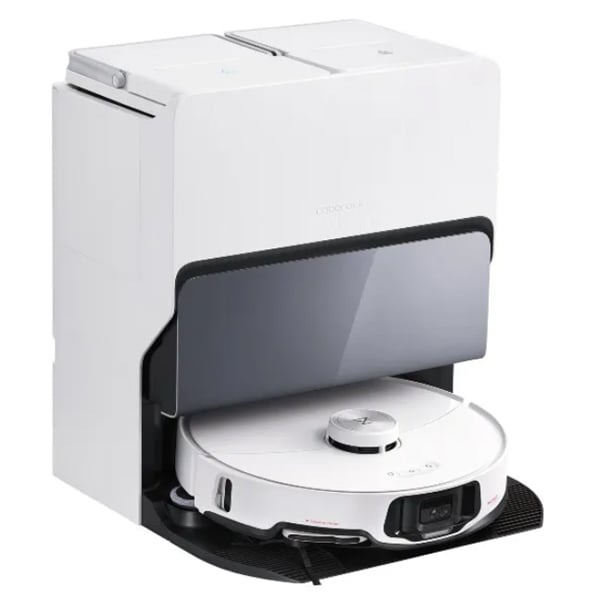
Almost every robot vacuum sold today also mops — and "mops" is doing a lot of heavy lifting in that sentence. Robot mopping ranges from genuinely useful daily upkeep to, on the weakest models, a damp pad dragged across your floor. Before you pay extra for it, it's worth knowing what robot mopping actually does, what it doesn't, and whether your floors need it at all.
What robot mopping does well
Robot mopping is maintenance mopping. On hard floors — tile, sealed wood, luxury vinyl — it's very good at the light, frequent stuff: fine dust the vacuum kicks up, footprints, pet paw marks, dried splashes, the faint daily film that makes floors look dull. Run it a few times a week and your hard floors simply stay fresher between real cleans. For a lot of homes, that's exactly the job, and it's a real quality-of-life upgrade.
What it doesn't do
What robot mopping is not is a deep scrub. Most systems apply light pressure and a damp pad, so they wipe rather than scour. Baked-on, dried-on stains, sticky spills, and grout lines still need a human with a real mop. Treat the robot as the thing that keeps floors clean between deep mops, not the thing that replaces them — go in with that expectation and you won't be disappointed.
The two mop designs (and why it matters)
How well a robot mops comes down to its hardware:
- Spinning or oscillating pads. Dual rotating pads — like the Roborock Saros 20's, which press down with real force — scrub a little harder and often lift for carpet so they don't soak your rugs.
- Roller mops. A continuously-rinsed roller — the Eufy E25 Omni's HydroJet and the Yeedi M14+'s OZMO — scrapes and re-wets itself as it works, so only a clean surface touches the floor and it mops closer to the baseboards. The trade-off is that rollers still tend to leave a thin unmopped strip right at the wall.
Two caveats apply to almost all of them: expect a thin un-mopped strip along edges, and because mop-lift is often modest, you'll set no-go zones to keep the robot off medium- and high-pile carpet so it doesn't dampen it.
When you should buy a mopping robot — and when to skip it
Buy the mop if: your home is mostly hard floors, you've got kids or pets generating daily small messes, and you want that upkeep handled without thinking about it. In that case, pair it with a dock that washes and dries the pads — otherwise you'll be hand-rinsing them and losing the convenience you paid for.
Skip the mop if: your floors are mostly carpet. A strong vacuum-only robot like the Eufy C10 cleans carpet better and costs far less than an equivalent vac-and-mop — in independent testing it lifted 100% of flattened pet hair for around $250. Also skip it if you know you'll deep-mop by hand regardless; that money is better spent on suction and navigation than on a light wipe you don't need.
Weighing two specific models?
The mopping question comes up directly in these head-to-heads: Dreame X60 vs Eufy C10 (a flagship vac-and-mop against the $250 vacuum-only champ), Eufy C10 vs Yeedi M14+ (cheapest vacuum vs adding a self-washing mop), Eufy E25 vs Yeedi M14+ (two budget roller-mop robots), and Roborock Saros 20 vs Eufy E25 (flagship scrubbing pads vs a value roller).
Bottom line
A robot mop is worth it for hard-floor homes that want hands-off daily maintenance — and close to pointless for carpet-dominated homes that would be better served by a cheaper, stronger vacuum. Decide on your floors first, then the features follow. Our robot vacuum quiz walks you through it, the dock-terms guide explains what to look for if you do mop, and our budget and value picks cover both mopping and vacuum-only options.