The buyer's guide
Blenders
Reviewed by
Eran Yorkovsky · Founder, PickGrade
Blenders run about $100 to $650 — the premium buys motor power and durability that matters if you blend hard, and not at all if you don't.
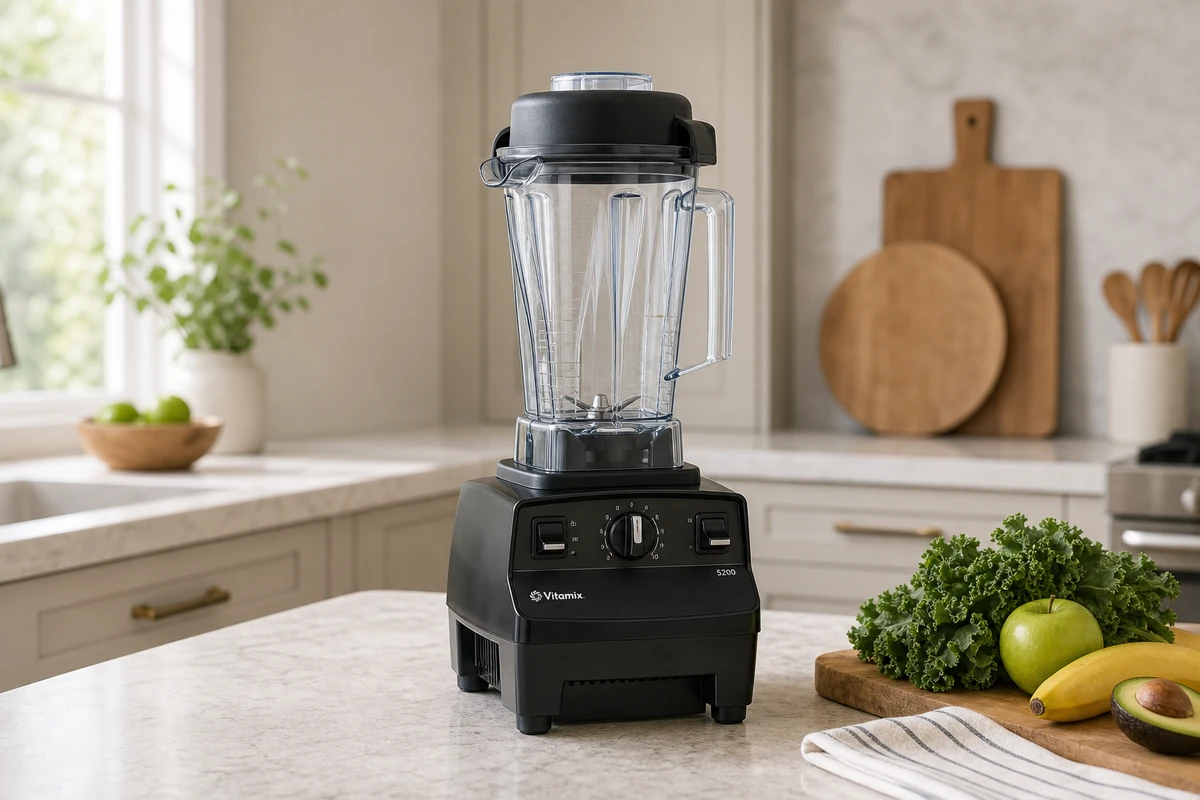
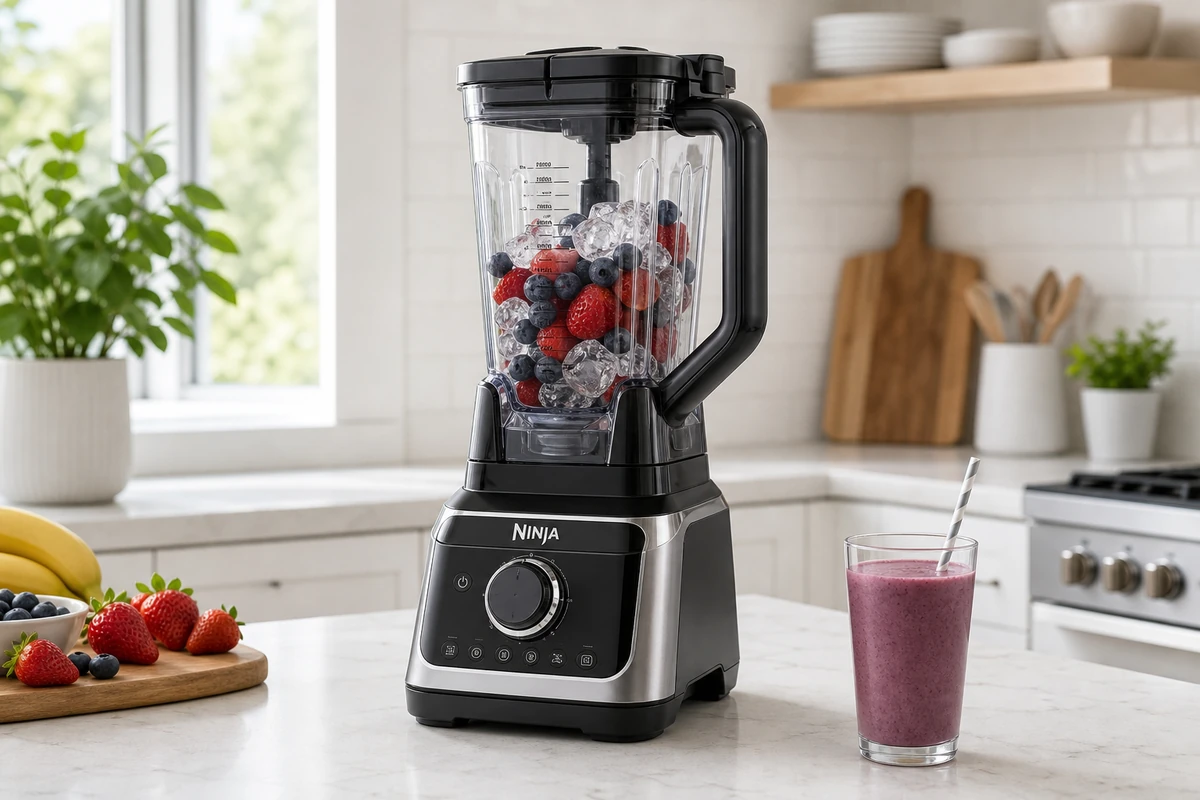
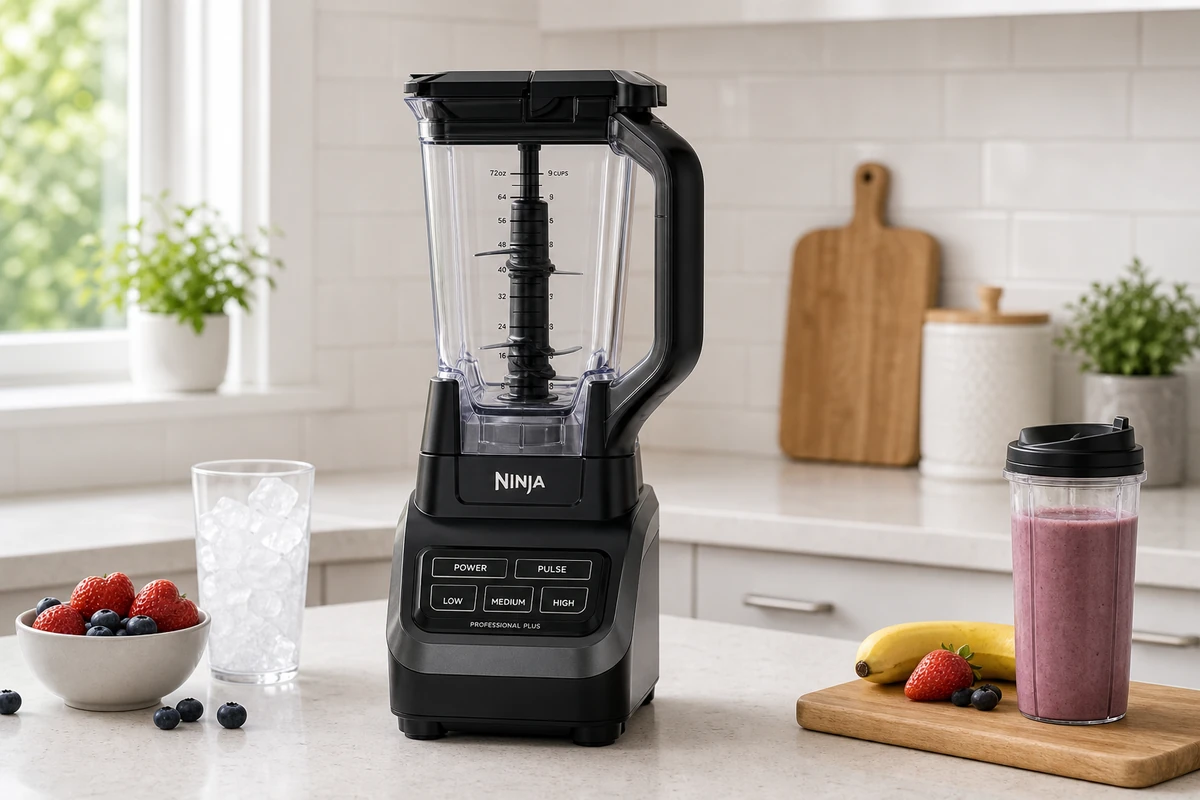
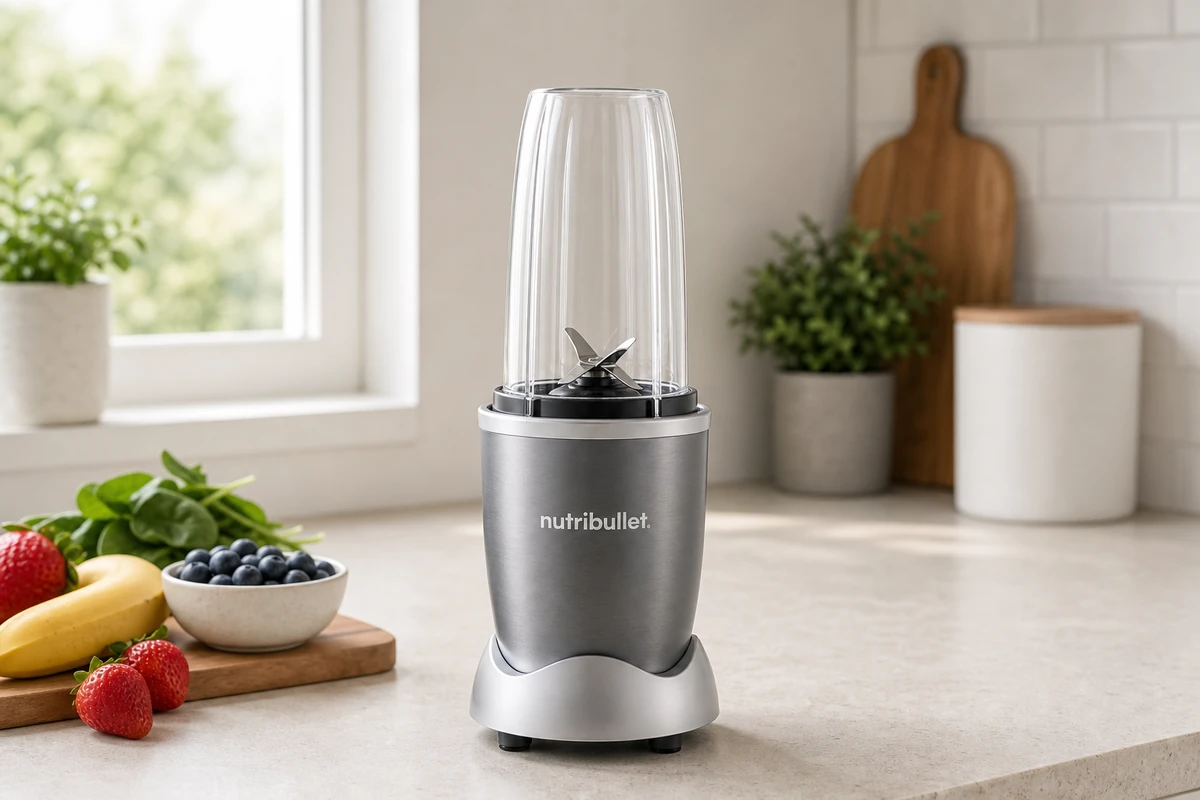
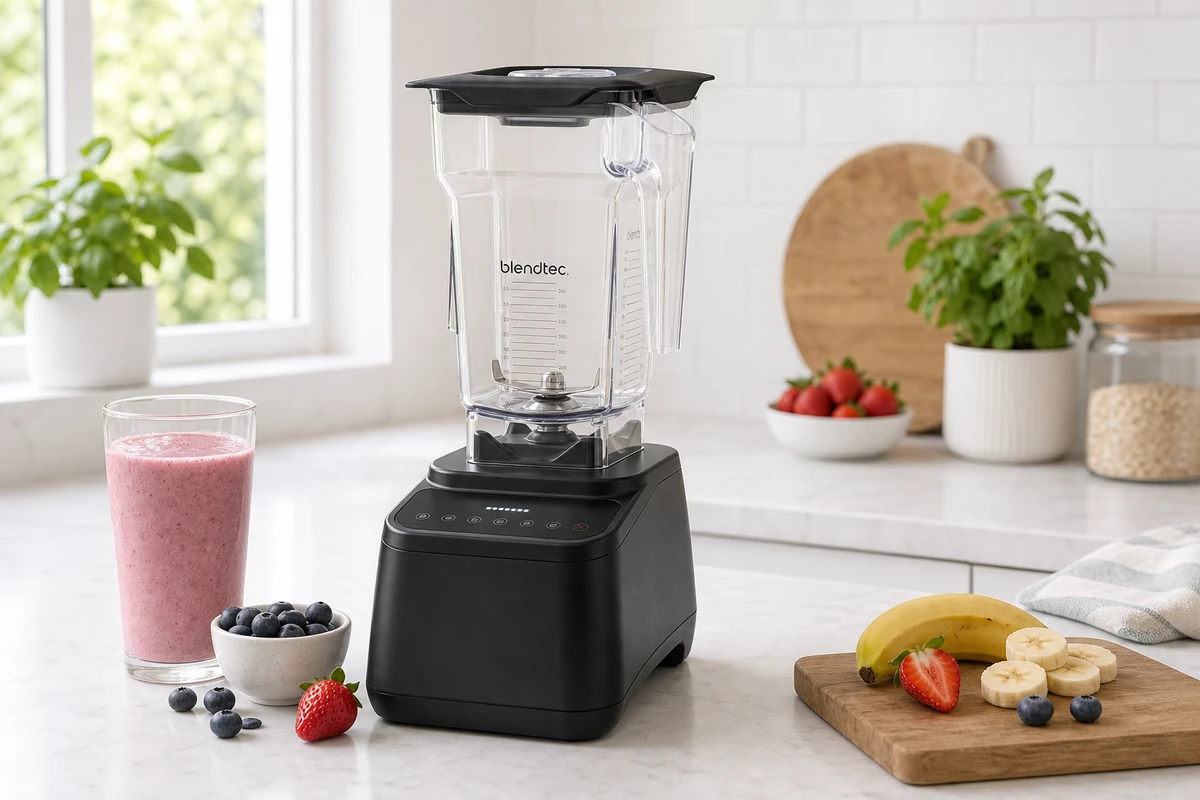
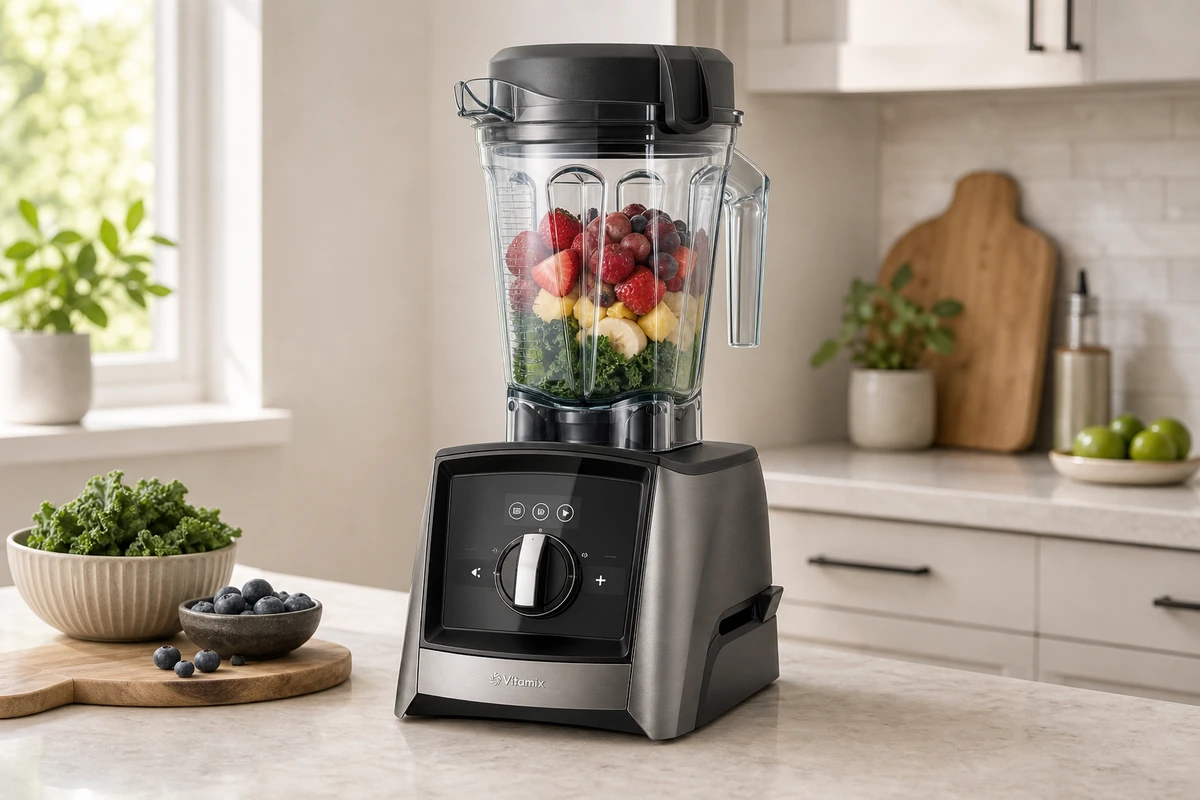
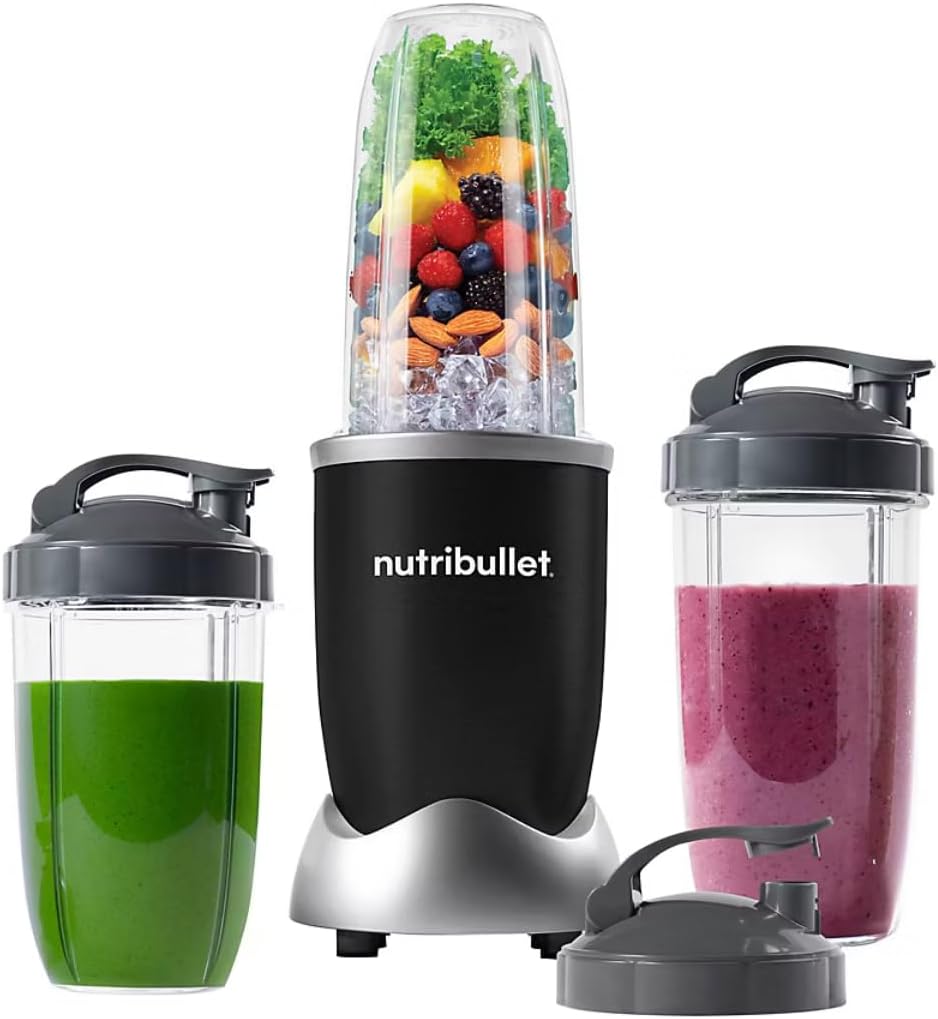
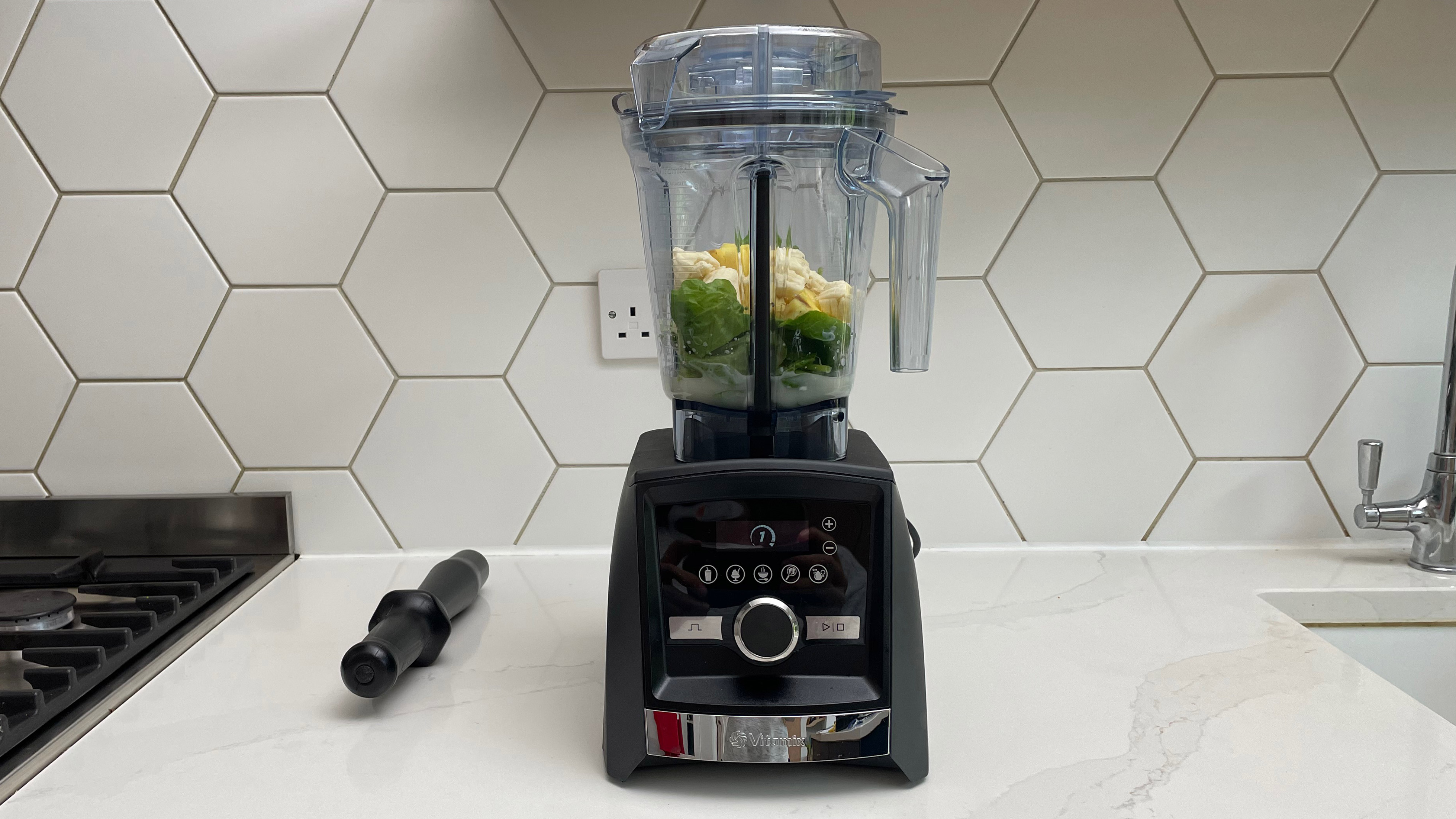
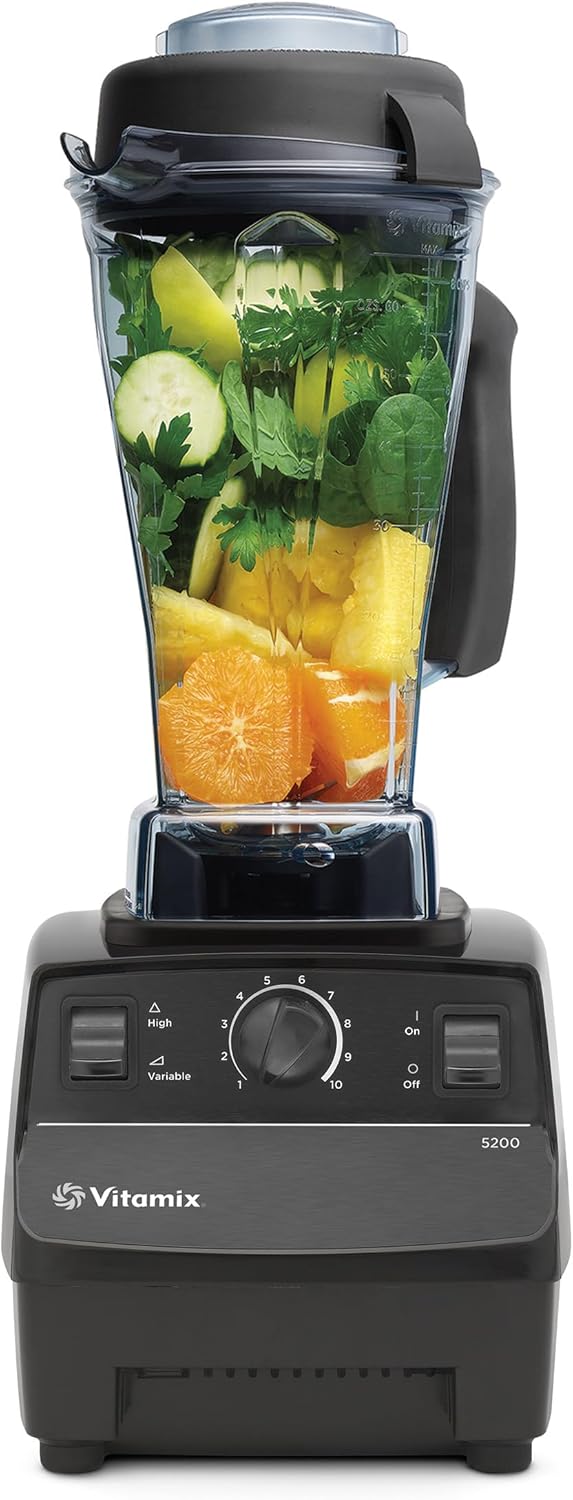
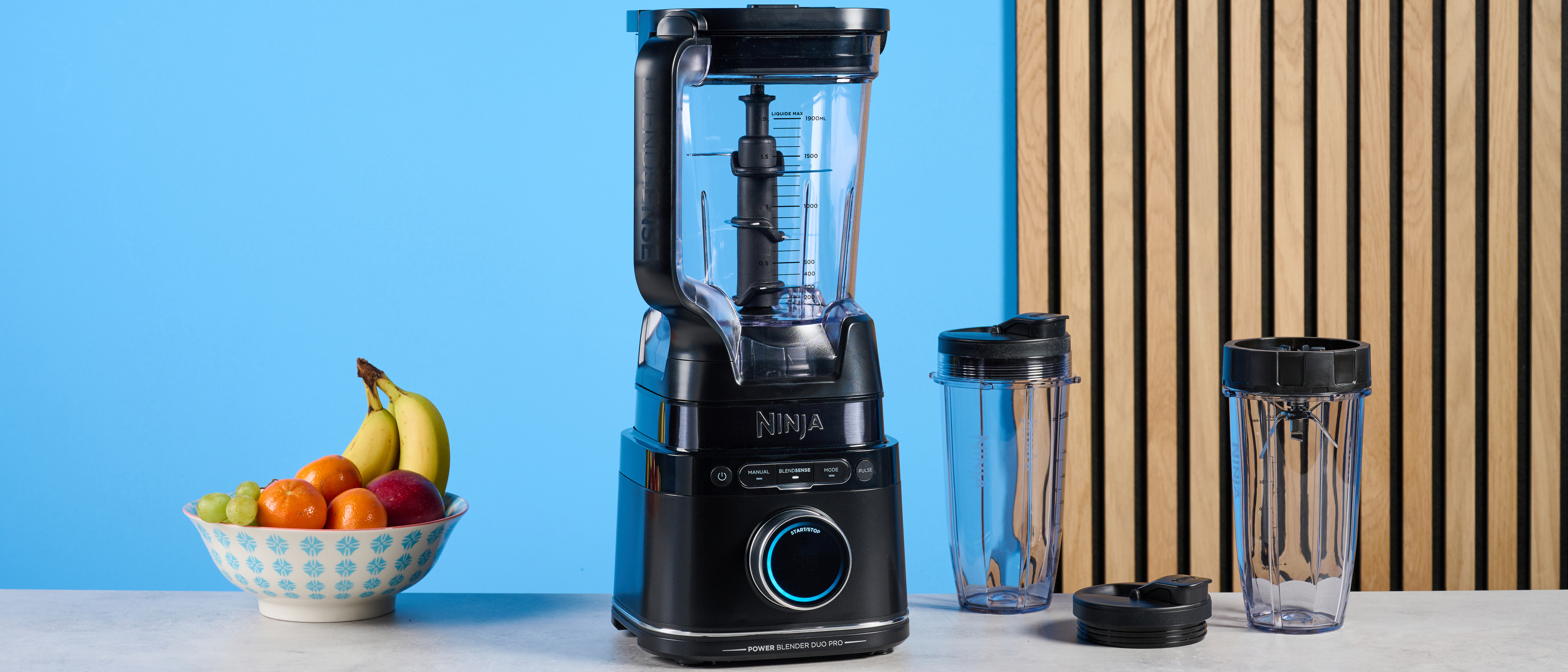
The blender decision comes down to one question: what do you actually blend? Daily smoothies and protein shakes ask far less of a machine than nut butter, frozen cocktails, hot soup, or family-size batches — and buying for the wrong job is how people overpay for power they never use, or under-buy and burn out a motor. A personal blender is the simplest answer for one person and a small counter; a value full-size Ninja covers most family routines for far less than premium; and a Vitamix earns its price only if the blender is a real cooking tool.
Five things actually decide it: the format (a single-serve cup versus a 48–72 oz jar), motor power (700–1,200 watts is plenty for shakes, while ice, greens, and nut butter want a strong full-size motor or a true 2-HP machine), how you like to control it (a variable-speed dial for texture, or presets and auto-detect that do the thinking for you), cleanup and noise (dishwasher-safe parts help, and high-performance blenders run loud and tall enough to clash with cabinets), and price relative to how hard you'll actually push it. Get the match right and a $180 blender can outlast the job; get it wrong and a $650 one gathers dust.
Not sure which tier fits? Take the 60-second quiz and we'll match you. To go deeper, start with how to choose a blender, weigh the first big question in personal vs full-size and the blender size guide, compare the value and premium picks directly in Vitamix 5200 vs Ninja Detect, or jump straight to the job you care about — smoothies, ice and frozen drinks, or under $200.
5 questions · about a minute