← All guides

The buyer's guide

Fitness Trackers

Mi

Reviewed by

Michal Zucker · Fitness, Movement & Wellbeing Editor with Dr. Yocheved Yorkovsky

The most trustworthy health data your money can buy. We rank every tracker on sensor accuracy, comfort, and real cost — not which brand shouts loudest.

A $52 band and a $399 ring will both track your heart rate and your sleep — the real questions are how accurately, how comfortably you'll wear it, and how much of the good data hides behind a subscription. We weighed independent accuracy testing, long-term reviews, and the true cost of ownership (upfront price plus any membership) to rank eight trackers across bands, screen-free straps, and smart rings. Take the 60-second quiz to filter by your phone, your budget, and whether you'll tolerate a subscription — or read on for our top picks, the head-to-head comparisons, and a plain-English guide to choosing one.

Start the questionnaire →

7 questions · about a minute

What we look for in a great fitness tracker

  • Tracking accuracyWeight 0.22

    How closely heart rate, steps, distance, and sleep staging match reference-grade devices — especially during exercise, where wrist optical sensors most often drift.

  • Health insightsWeight 0.2

    The depth and usefulness of what the device does with its data: recovery and readiness, HRV, stress, SpO2, sleep quality, women's health, and (where present) ECG.

  • App & ecosystemWeight 0.15

    How clear and useful the companion app is — and how much of the data is free versus locked behind a paywall or mandatory membership.

  • Battery lifeWeight 0.14

    Real-world days per charge with tracking on, plus charging convenience. Screen-free and ring designs stretch furthest; always-on AMOLED bands the least.

  • Comfort & designWeight 0.14

    Weight, bulk, and how willing you are to wear it 24/7, including to sleep — the single biggest predictor of whether a tracker actually gets used.

  • ValueWeight 0.15

    Total cost of ownership for the data you get: upfront price plus any subscription, judged against devices that deliver comparable accuracy and insight.

What's in our catalog

8 picks

Frequently asked questions

Do fitness trackers really measure heart rate and sleep accurately?
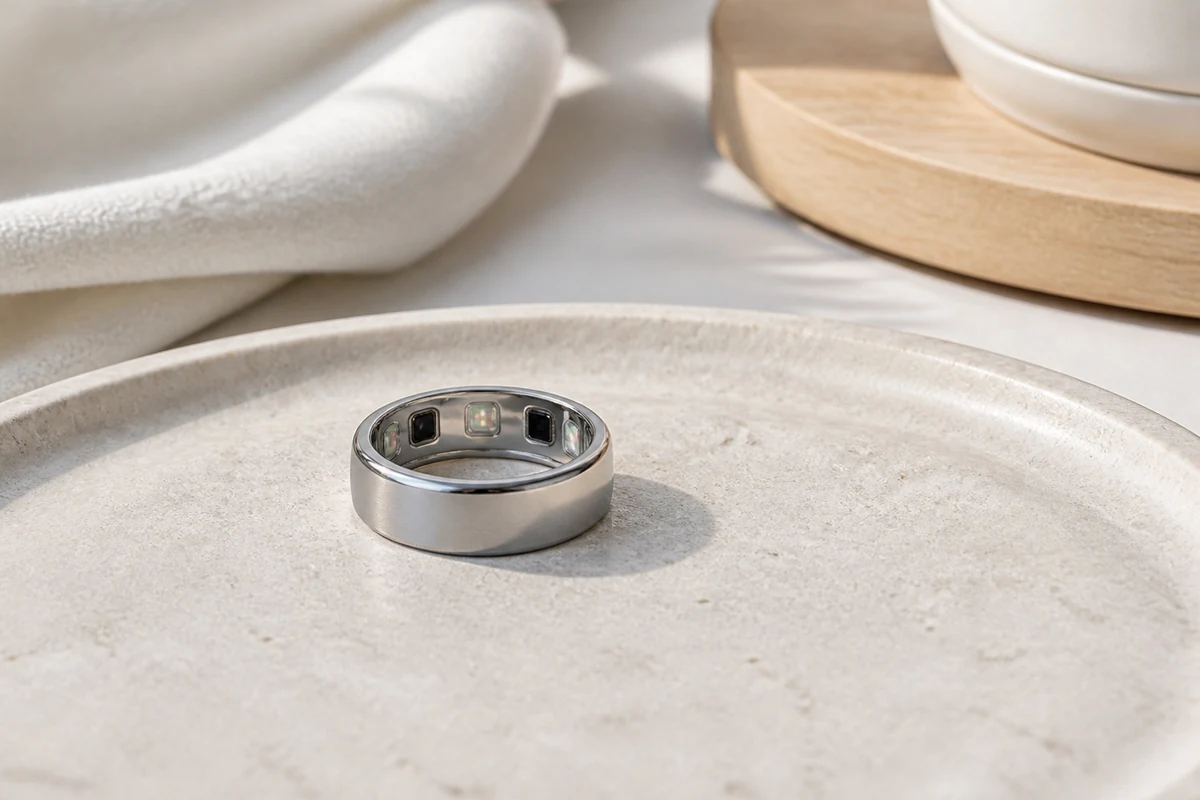
For resting heart rate, steps, and sleep staging, the best trackers are reliable — independent testing (such as The Quantified Scientist's) shows they overlap closely with medical references overnight. Accuracy drops during intense exercise, when blood flow at the wrist changes, which is why serious interval athletes still use a chest strap. Smart rings like Oura read overnight heart rate especially well but can't track workouts.
Which fitness trackers require a subscription?
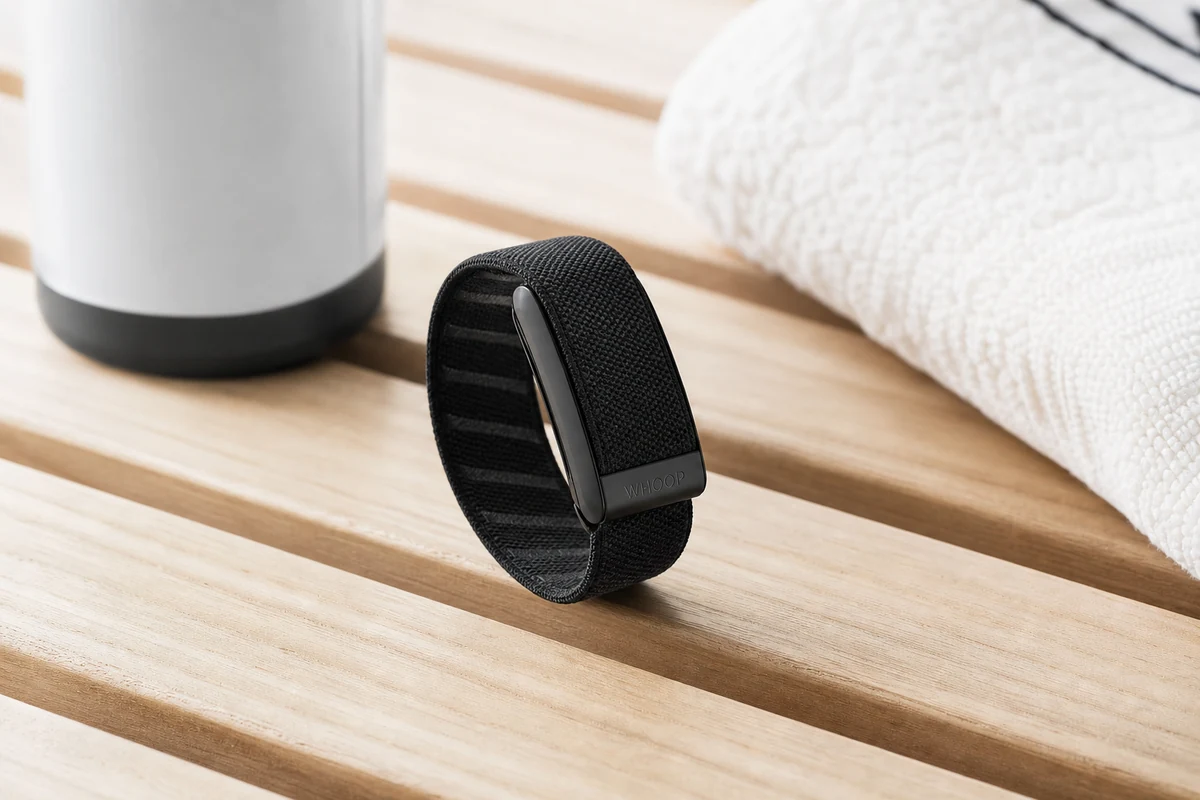
Only two of our picks have a mandatory one: WHOOP is subscription-only (from $199/year, and the band stops working if you cancel), and the Oura Ring needs a $5.99/month membership to unlock its detailed data. Fitbit's devices keep the core data free and treat Premium ($9.99/month) as optional. Xiaomi, Samsung, Amazfit, and Garmin charge nothing beyond the hardware.
Do I actually need built-in GPS?
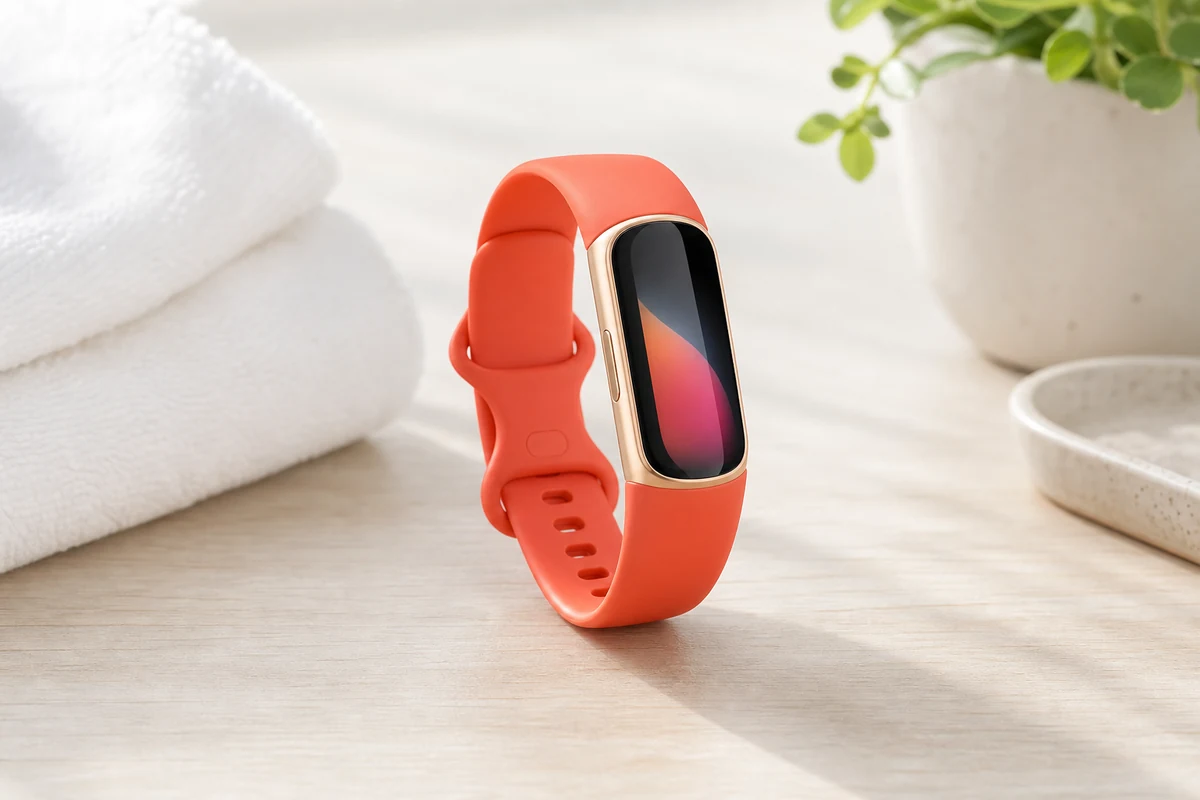
Only if you want to map runs or rides without carrying your phone. Most trackers use your phone's GPS, which is just as accurate as long as it's with you. If you run phone-free, look for built-in GPS — among our picks, only the Amazfit Active 2 and Fitbit Charge 6 have it, and the Charge 6's is unreliable.
Fitness tracker or smartwatch — what's the difference?
Trackers focus on health and fitness data in a smaller, lighter, longer-lasting, cheaper package, and you'll actually wear them to sleep. Smartwatches add apps, bigger screens, and phone-like features, but cost more and usually need daily charging. If your priority is sleep, recovery, and step tracking rather than notifications and apps, a tracker is the better value.
Which tracker is best for sleep tracking?
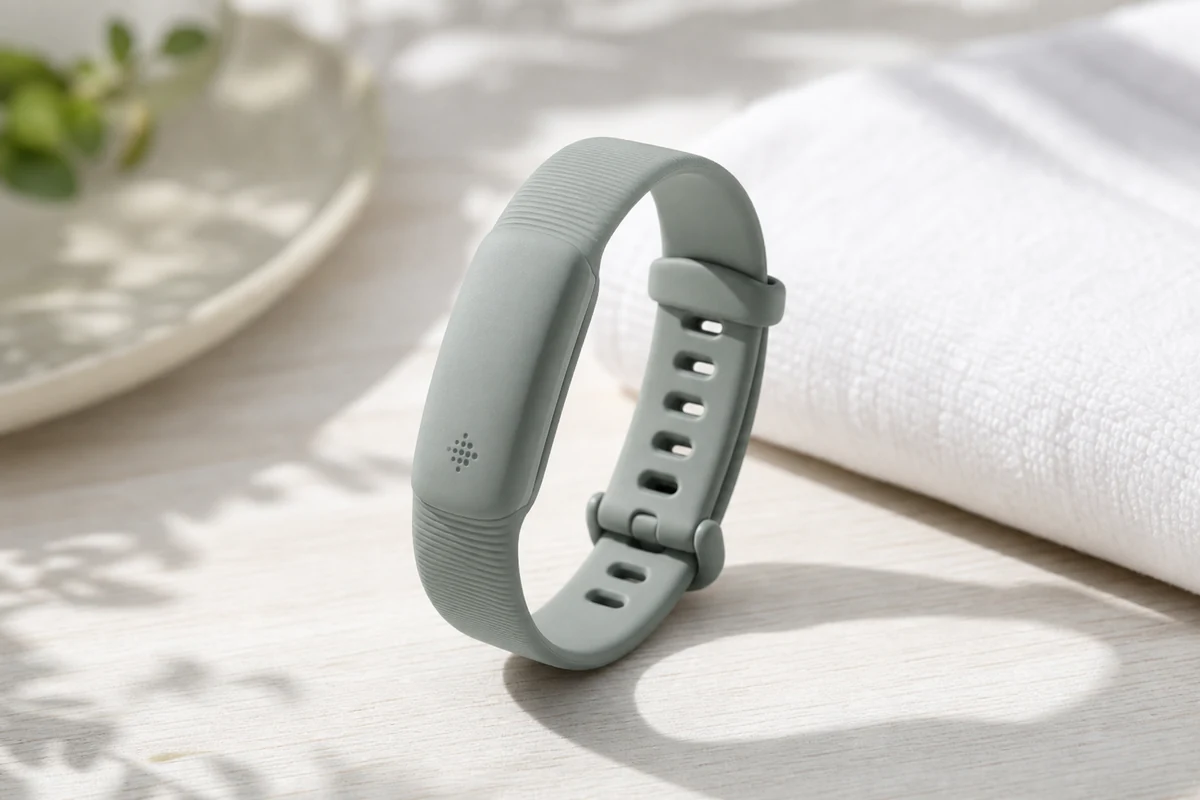
The Oura Ring 5 leads for sleep and recovery accuracy, followed by Fitbit's devices — the Charge 6 and screen-free Air — which independent testers rank among the most accurate wrist trackers. WHOOP is also excellent if you'll pay the subscription. Comfort matters here too: the more wearable a device is at night, the more complete your sleep data.
Are budget trackers like the Xiaomi Smart Band 10 any good?
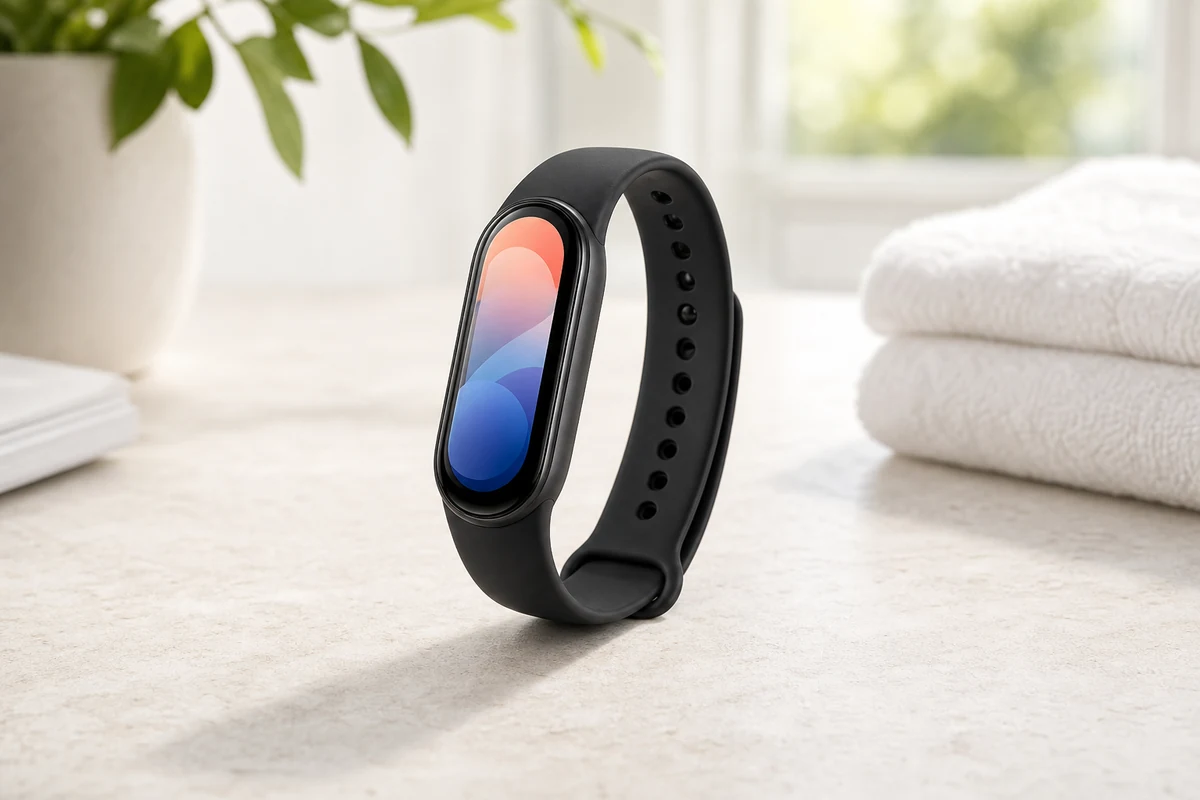
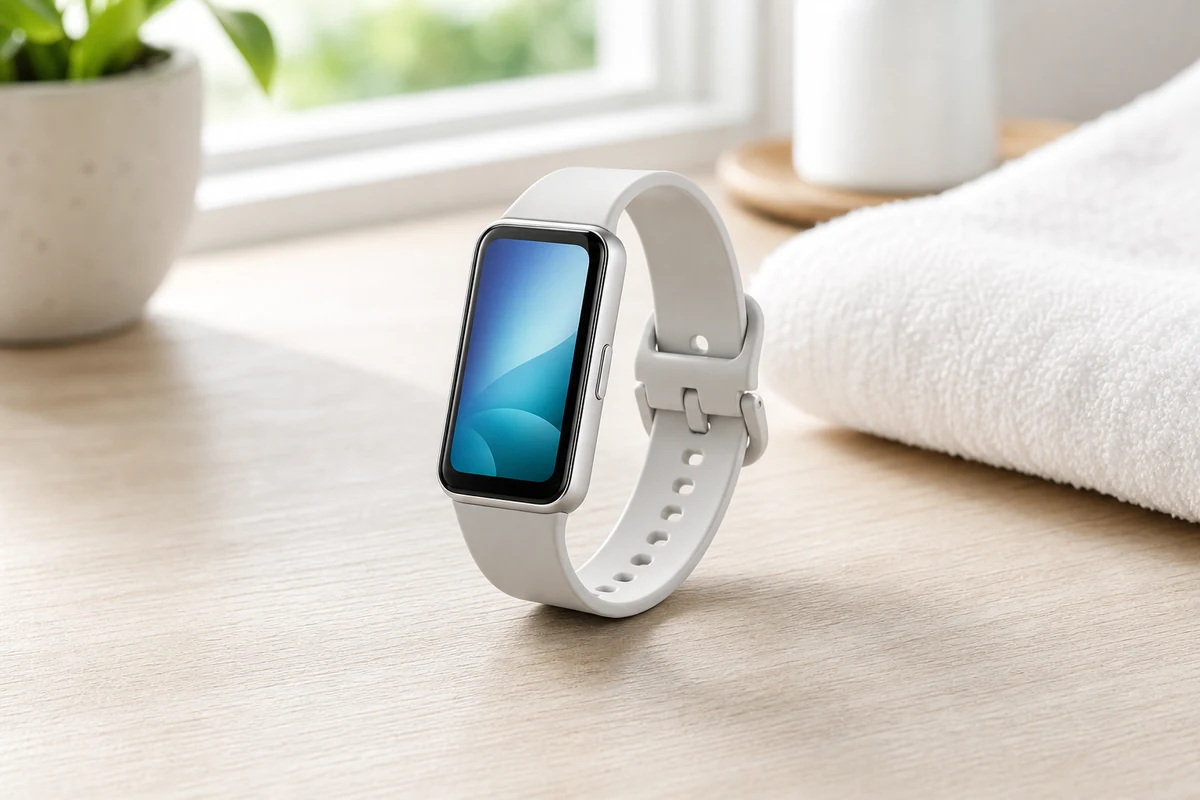
For everyday steps, heart rate, and sleep, yes — the Xiaomi Smart Band 10 (around $52) and Samsung Galaxy Fit3 ($60) deliver a bright screen, long battery, and full daily tracking for a fraction of the price. The trade-offs are no built-in GPS, no ECG, and less accurate heart rate during hard workouts. For casual fitness and health, they're the best value in the category.
How we grade

We score every product on the criteria that actually decide the purchase.

PickGrade is an AI-run research desk. We don't lab-test units ourselves — we synthesize independent accuracy testing, long-term reviews, and manufacturer specifications into a single value-first ranking, then re-check prices, availability, and sensor claims before publishing. Every product links to the primary review and video evidence behind its score.

Read the full methodology →
PickGrade

The independent grading authority for the things you buy. Research once, decide fast — no sponsored top-10 lists.

Affiliate disclosure — PickGrade participates in affiliate programs, including Amazon Associates and partnerships managed through affiliate networks. We may earn a commission from qualifying purchases at no extra cost to you. This never affects our grades. Full disclosure.

Explore

Contact

Questions, feedback, or partnership inquiries?

admin@pickgrade.com

Company

© 2026 PickGradeNo sponsored placements · Ever