- How do I choose the best gaming handheld?
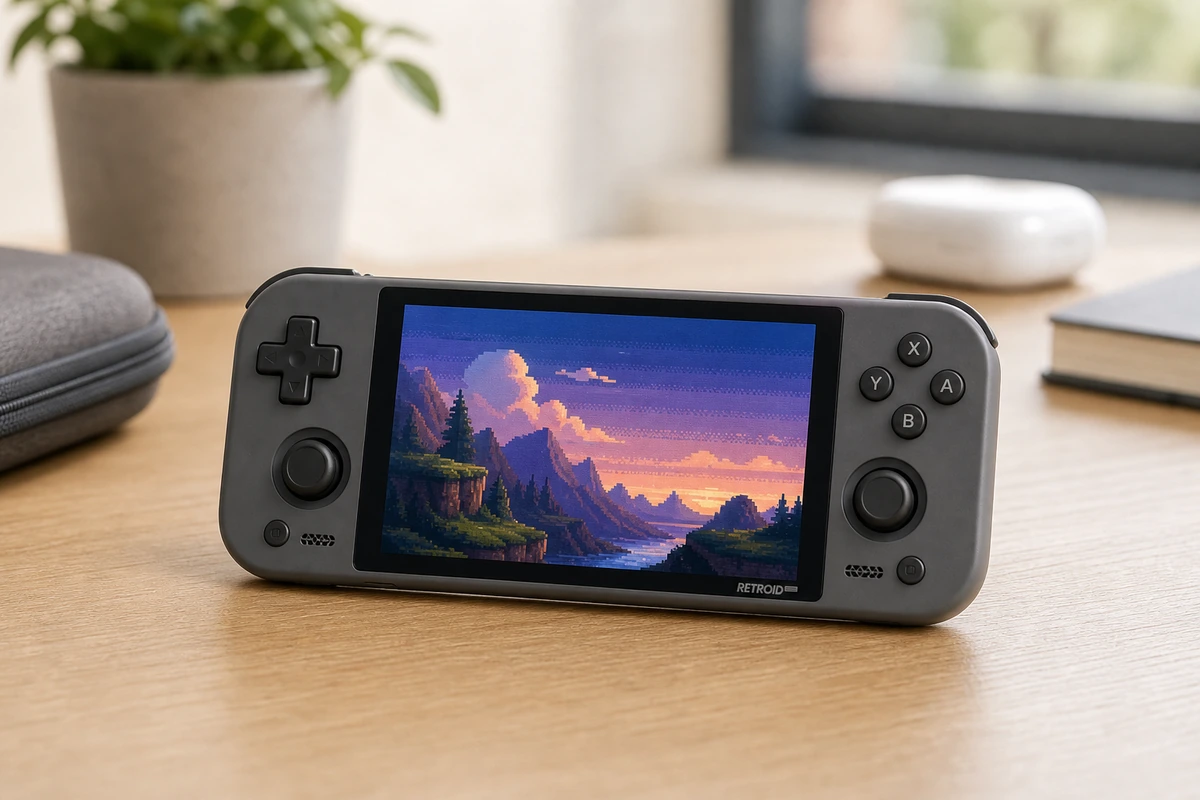
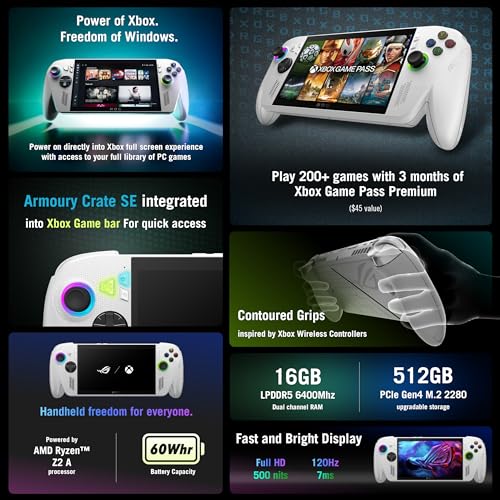
- Start with your game library, not the spec sheet. Nintendo exclusives only run on the Switch 2. A Steam library points to a SteamOS device like the Steam Deck OLED or Legion Go S. Game Pass and multi-launcher libraries need a Windows handheld like the ROG Xbox Ally. Retro emulation is best served by a budget Android device. Only after that should you compare screens, battery, and performance.
- What's the difference between SteamOS and Windows handhelds?
- SteamOS works like a console: it boots straight into your games, sleeps and resumes instantly, and runs more efficiently, but some anti-cheat multiplayer games won't run. Windows runs everything — every launcher, every store, every multiplayer game — but needs occasional updates and tinkering and usually gets shorter battery life from the same hardware.
- Is the Switch 2 better than a Steam Deck?
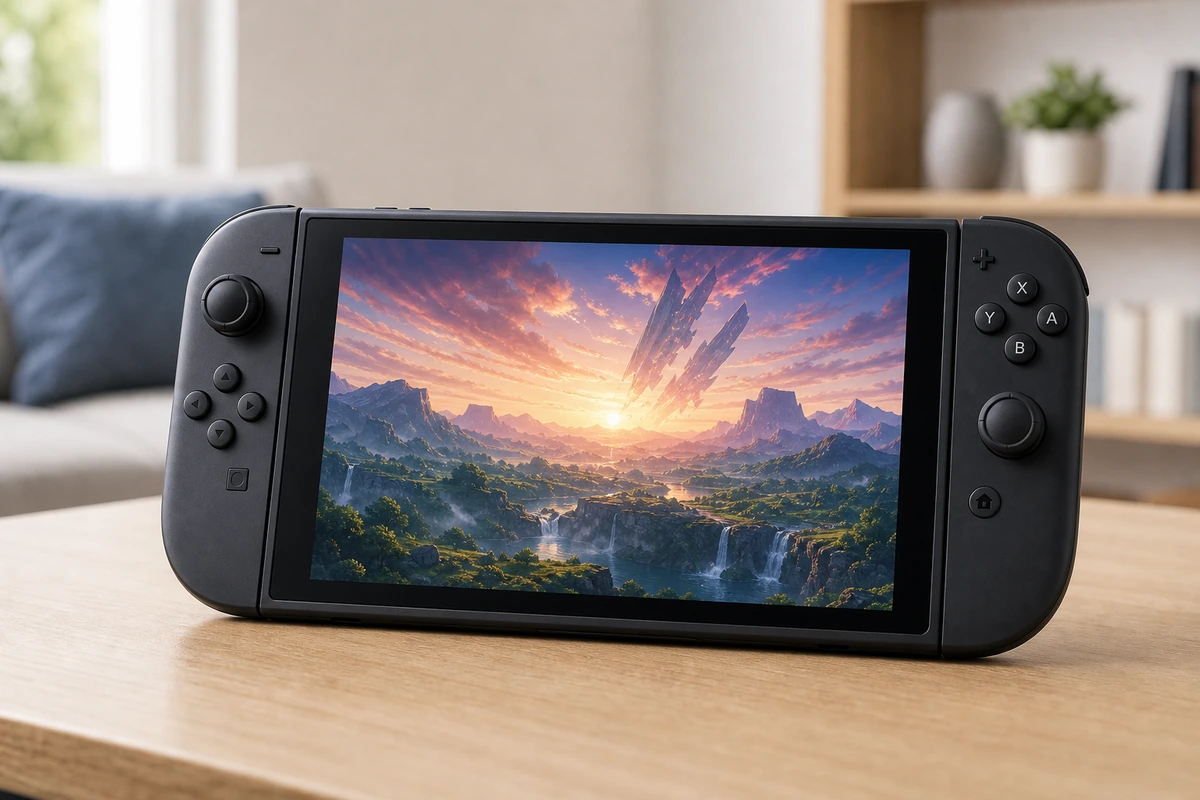
- It depends on what you play. The Switch 2 is the only way to play Nintendo's exclusives and is simpler and cheaper than most handheld PCs. A Steam Deck or other handheld PC plays your existing PC library, where games are usually cheaper. They complement each other more than they compete.
- Why is the Steam Deck so expensive and hard to find in 2026?
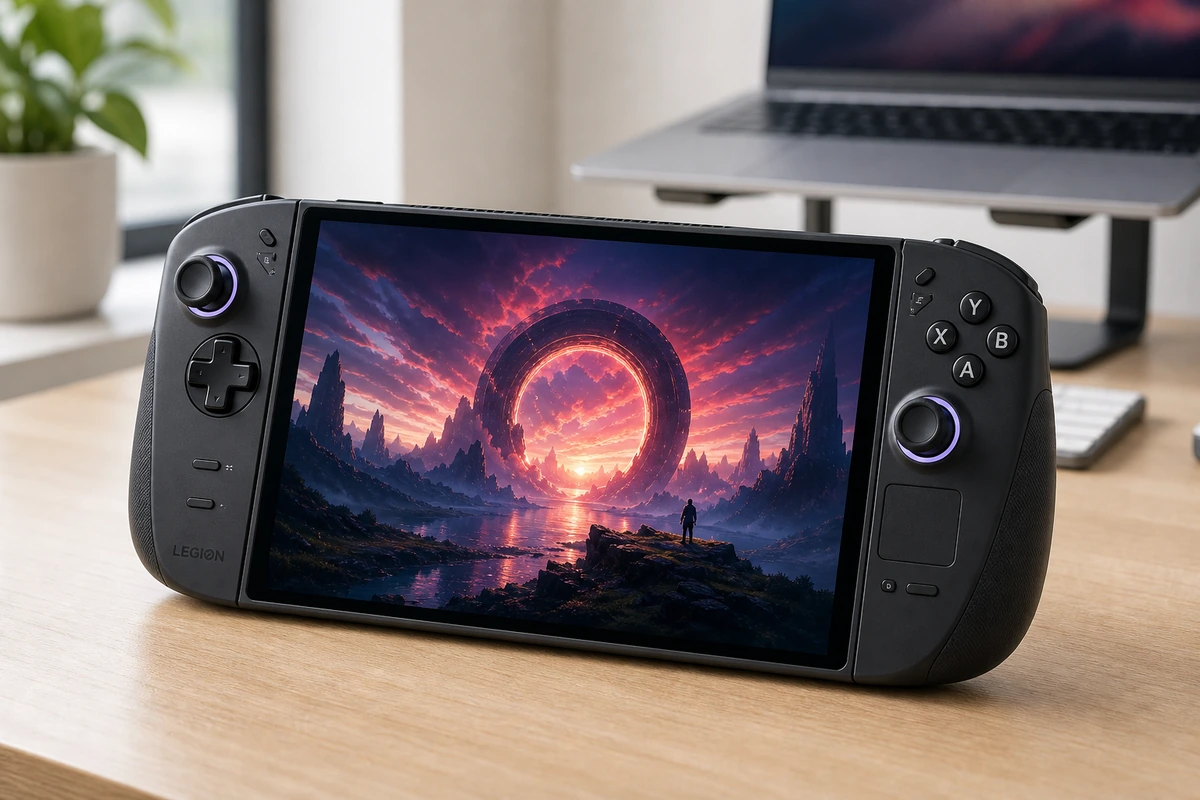
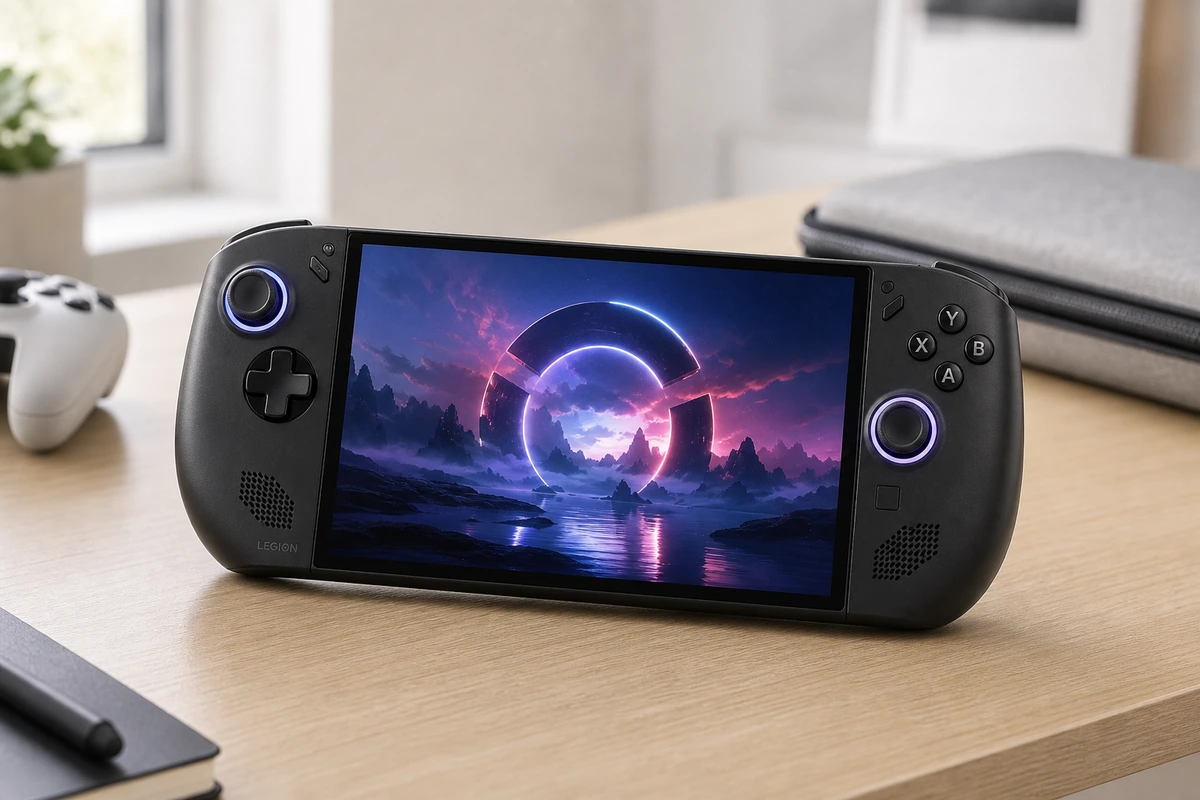
- Component shortages — largely driven by AI demand for memory chips — pushed Steam Deck OLED prices up sharply in 2026, with the 512GB model now around $789 and stock frequently unavailable. Valve's certified refurbished units and the Lenovo Legion Go S with SteamOS have become the most practical ways to get the SteamOS experience near the old prices.
- How long do gaming handheld batteries actually last?
- Expect roughly 2 to 3 hours in demanding AAA games and considerably more — sometimes 6 or more — in indies and older titles. SteamOS devices generally outlast Windows devices on the same battery size. None of these machines lasts a full day of heavy play, so frequent flyers should factor in a power bank.
- Can I expand storage, and does the Switch 2 use special cards?
- Most handheld PCs take standard microSD cards and have user-replaceable SSDs, so storage is cheap to expand. The Switch 2 is the exception: it requires faster microSD Express cards, which cost more than regular microSD — budget for one if you buy digital games.
- Can a gaming handheld replace my console or PC?
- For many people, yes. Every Windows and SteamOS handheld here can dock to a monitor or TV with a USB-C hub, and the Switch 2 and Legion Go 2 are explicitly designed around docked play. A high-end model like the ROG Xbox Ally X or Legion Go 2 can genuinely serve as a primary gaming machine, though a desktop still wins on raw performance per dollar.
- Should I wait for the new Intel-powered handhelds?
- New Intel Arc G3-powered handhelds like the MSI Claw 8 EX AI+ and Acer Predator Atlas 8 were announced at Computex 2026, but prices and dates are unconfirmed and first-generation pricing is rarely kind. If you have games you want to play now, buy now — the current generation is mature, and there is always something on the horizon.