The buyer's guide
Projectors
Reviewed by
Eran Yorkovsky · Founder, PickGrade with Michal Zucker, Dr. Yocheved Yorkovsky
The box says 9,000 lumens. Your wall gets 800. We rank projectors by the brightness that actually shows up.
Projector marketing runs on one number, lumens, and it is the number most likely to lie to you. 'LED lumens' and 'light-source lumens' inflate the figure three to five times over the honest ANSI (or ISO) standard, so a box promising '9,000 lumens' can put only a few hundred usable lumens on your wall. We rank projectors on the brightness they actually deliver, checked against independent lab measurements, then weigh what a bright number cannot tell you: native contrast and black level, true 4K detail, color and HDR, the smart platform and sound, setup and throw, and the real cost to own. If you read one thing first, make it why the lumen number on the box lies.
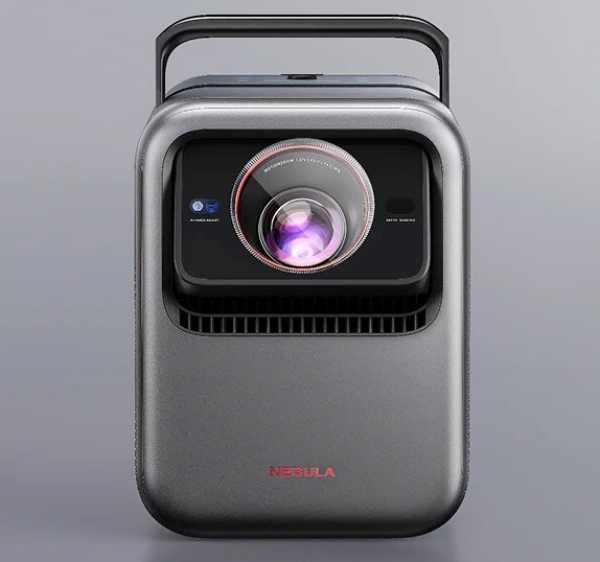
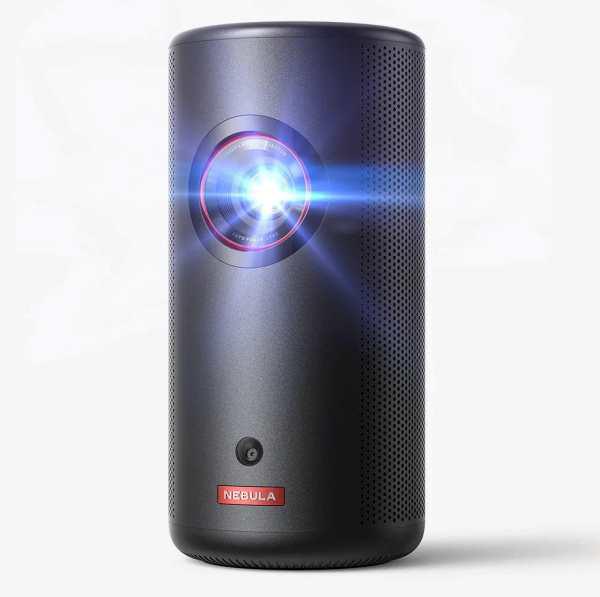
The result is a lineup that deliberately does not track price. Our top-scoring pick, the Anker Nebula X1, is a $2,199 all-in-one, and it outranks the $4,999 cinema projector below it. We show our work on that one. If you are choosing between the three flagship triple-lasers, we ranked them head-to-head: they measure nearly identical brightness, and contrast, lens shift, and 240Hz are what actually separate them.
Whether you want a laser TV inches from the wall, a bright projector you can game on, a dark-room purist, or a battery-powered projector for the backyard, the honest pick depends on your room and your light. Take the 60-second quiz, start with how to choose a projector, or read the comparisons to settle a specific matchup.
6 questions · about a minute