Buying guide
Best Headphones for Flying
Reviewed by
Eran Yorkovsky · Founder, PickGrade
Travel headphones should make flights calmer, not just louder. The best pair depends on noise cancellation, comfort, battery life, call quality, portability, and whether you prefer earbuds or over-ear headphones.
 Find your travel headphones →
Quick answer
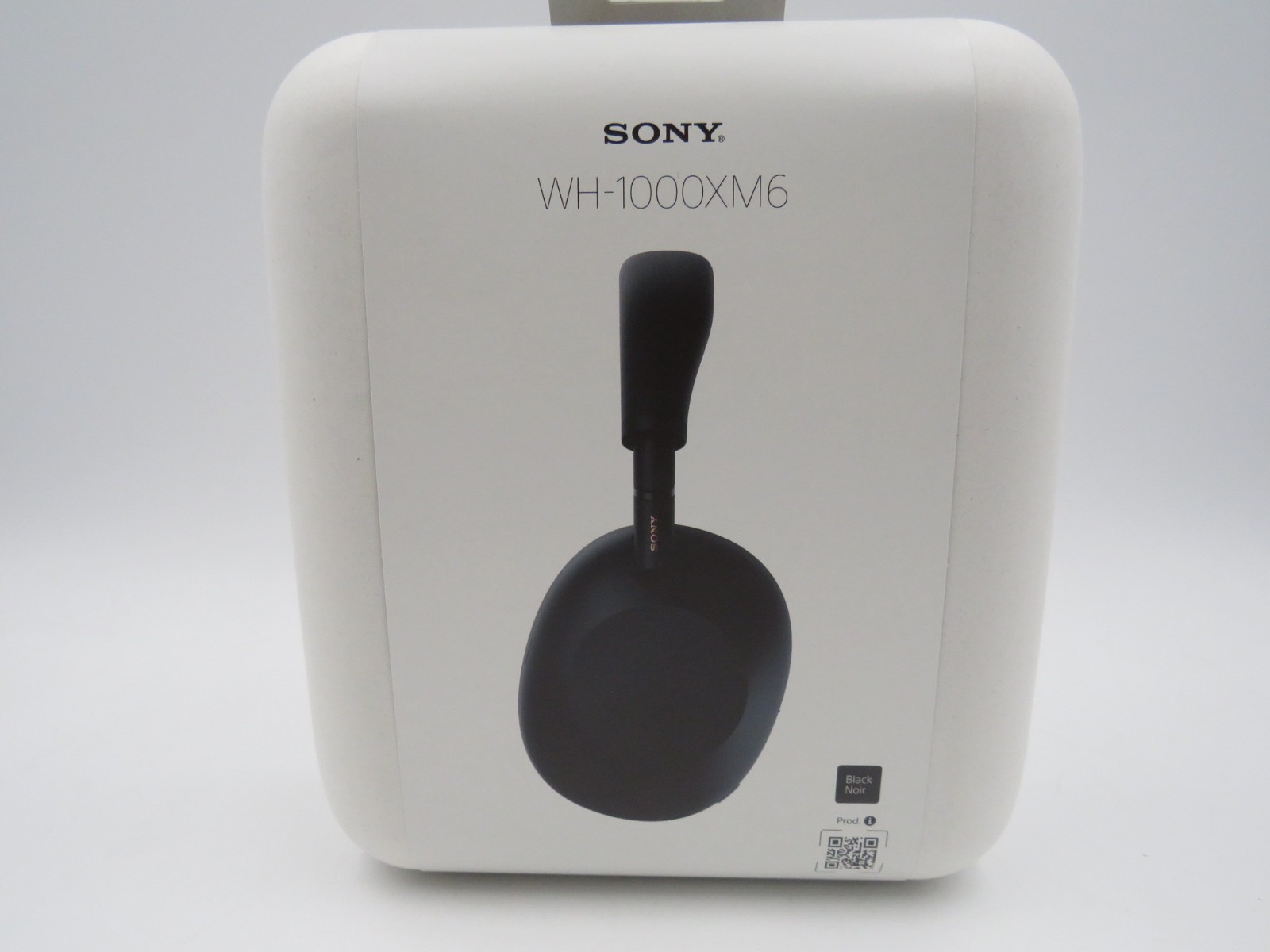
For most travelers, a flagship noise-cancelling over-ear like the Sony WH-1000XM6 is the most comfortable, quietest option for long flights. If you'd rather carry something pocketable, Apple AirPods Pro 3 give excellent noise cancellation in a tiny case, especially inside the Apple ecosystem. On a tighter budget, the Sony WH-CH720N delivers most of the quiet for a fraction of the price.
One thing to get right: not every good headphone is a good flight headphone. Open-back audiophile models (like the Sennheiser HD 660S2) and open-ear bone-conduction sets (like the Shokz OpenRun Pro 2) deliberately let outside sound in — the opposite of what you want at 35,000 feet. Save those for the gym or your desk.
What matters on flights
For flying, noise cancellation and comfort matter more than spec-sheet audio terms. A great travel headphone should reduce cabin noise, stay comfortable for long stretches, last through the trip, and pack easily.
Over-ear headphones often give stronger comfort and isolation on long flights. Earbuds are easier to carry and better if you want something small for commuting, airport calls, and daily use.
How to choose
| Priority | What to look for | Watch out for |
|---|---|---|
| Quiet cabin | Strong active noise cancellation (ANC) | Open-back or open-ear designs that leak sound both ways |
| All-day comfort | Light clamp, soft earpads, even weight | Heavy headphones that ache after a few hours |
| Lasts the trip | Battery that covers your longest flight plus layovers | Models you'll have to recharge mid-journey |
| Easy travel | Folding design or a compact earbud case | Bulky cases that eat carry-on space |
| Stay connected | Wired backup option for seatback screens | Pure-wireless sets with no analog fallback |
Over-ear vs earbuds for flying
Over-ear headphones are usually the better long-haul choice: they seal out more engine drone, spread pressure across your head instead of inside your ear canal, and tend to last longer per charge. The trade-off is bulk in your bag.
Earbuds win on portability and double as your everyday pair for the airport, the hotel gym, and calls. Modern ANC earbuds get impressively close to over-ear quiet, so if you travel light or hate headband pressure, they're a sensible pick.
Practical flight tips
Charge fully before you leave, since long-haul flights plus layovers can outrun a partial charge. Pack a wired adapter if you want to use the seatback entertainment system. And test the fit at home — a headphone that feels fine for ten minutes can wear on you over a ten-hour flight.
How Pickgrade helps
Use the headphone quiz and choose travel, noise cancellation, comfort, and your device ecosystem. That helps separate full-size travel headphones from pocketable earbuds.
Related headphone guides
- Take the Headphones quiz
- See all Headphones
- Best Headphones for Work Calls and Meetings
- Best Earbuds for iPhone
- Best Headphones for Open Offices
- Sony WH-1000XM6
More headphone guides
- Best Noise-Canceling Headphones for Travel
- Sony WH-1000XM5 vs AirPods Pro: Which Should You Buy?
- How to Choose Headphones for Work Calls
Still choosing?
- Apple AirPods Pro 3
- Sennheiser HD 660S2
- Beyerdynamic DT 770 Pro 80 Ohm
- Shokz OpenRun Pro 2
- Sony WH-CH720N
- Soundcore Liberty 5 Pro
- Soundcore Liberty 5 Pro Review: Call-Focused ANC Earbuds
- Sony WH-1000XM6 vs AirPods Pro 3 (2026)
Related comparisons & guides
Frequently asked
Are earbuds or over-ear headphones better for flying?
Over-ear headphones usually feel better for long flights and give stronger noise reduction, while earbuds are easier to carry and double as an everyday pair. Pick over-ear for long-haul comfort, earbuds for packing light.
Is noise cancellation worth it for flights?
Yes. Active noise cancellation is one of the most useful headphone features for flights and airport travel, because it cuts the constant low engine drone that wears you down on long trips.
Do travel headphones need good call quality?
It helps if you take airport or hotel calls, but comfort and noise cancellation usually matter more for flying itself.
Can I use noise-cancelling headphones with the seatback screen?
Often only if they have a wired option, since most in-flight entertainment uses a headphone jack. Bring a wired adapter if you want to watch in-flight movies with your own headphones.
Why not use open-back or bone-conduction headphones on a plane?
Open-back and open-ear bone-conduction designs intentionally let outside sound through, so cabin noise pours in and your audio leaks out. They're great for awareness on a run, but the wrong tool for a flight.