Buying guide
Best TV for Bright Rooms: Beat Glare and Washed-Out Picture
Reviewed by
Eran Yorkovsky · Founder, PickGrade
A sunny living room is the hardest test for any TV. The fix isn't just raw brightness — it's brightness paired with a screen that rejects reflections. Here's what actually matters and the picks that deliver it.
 Take the quiz →
Why bright rooms are different
In a dark home theater, contrast is king and almost any good TV looks great. Add daylight and two things go wrong: the image looks washed out because the TV can't out-punch the ambient light, and you start seeing your room reflected in the screen. The best bright-room TVs solve both — high sustained brightness and an effective anti-glare coating. Raw nits alone aren't enough if the screen acts like a mirror.
What to look for
- High real-world brightness. Look for strong full-screen and 10% window brightness, not just headline peak numbers. Mini-LED sets and the newest bright OLEDs do this best.
- An anti-reflective or matte screen. This is the single most underrated bright-room feature. It diffuses windows and lamps so they don't sit on top of the picture.
- Wide viewing angles. Bright rooms are usually social rooms. A screen that holds color and contrast off-axis means everyone gets a good seat.
- Good motion handling if you watch a lot of daytime sports.
The picks
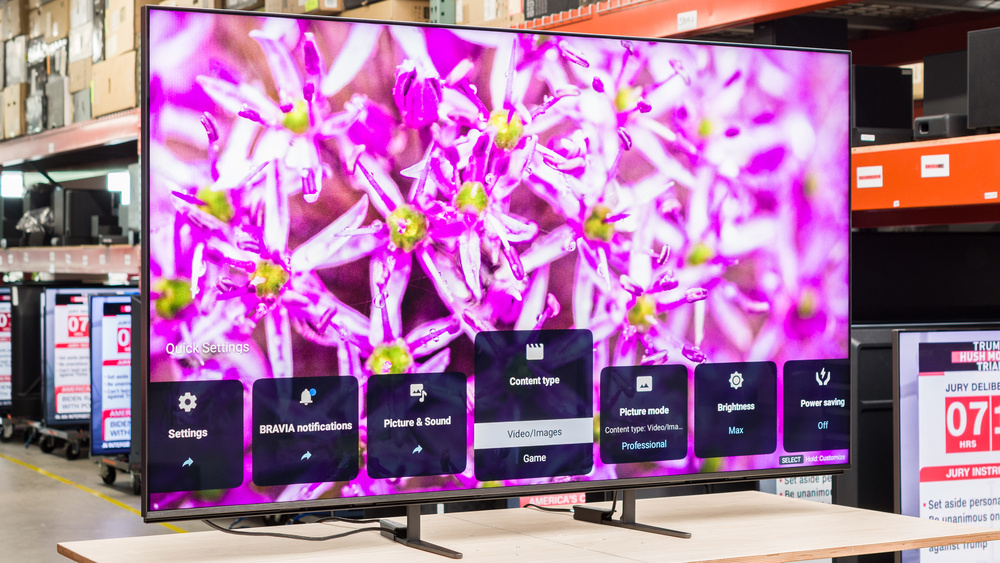
Best overall for bright rooms — Sony Bravia 9. Sony's flagship mini-LED is built for exactly this. Its XR Backlight Master Drive pushes roughly 2,800 nits with an anti-reflective screen and the cleanest motion in its class, so sports and daytime TV stay vivid and glare-free. It's the TV to beat when your room has light.
Best bright-room OLED — Samsung S95F. If you want OLED's perfect blacks but your room isn't dark, the S95F is the answer. It pushes past 2,000 nits and pairs that with the best matte anti-glare screen on the market — the rare OLED that genuinely holds up in daylight.
Best value — TCL QM8K. A flagship-bright mini-LED with an anti-glare screen and an Ultra Wide Angle layer for group viewing, at hundreds less than the premium sets. The most brightness-per-dollar for a big, sunny living room.
One TV to skip in a very bright room: a classic OLED like the LG C5. It's a superb TV, but its lower peak brightness and glossy screen are happiest in dark-to-moderate light. Save it for the room with curtains.
OLED or mini-LED for a bright room?
For most bright rooms, mini-LED is the safer bet — it goes brighter and the glare-fighting screens are excellent. Bright OLED (like the S95F) closes much of the gap and adds perfect blacks, but costs more. If you're torn, our OLED vs mini-LED guide breaks down the trade-offs in plain English.
Bottom line
In a bright room, buy for brightness and glare control together. The Sony Bravia 9 is the standout, the Samsung S95F is the bright OLED, and the TCL QM8K gets you most of the way for far less. Not sure which fits your exact room and budget? Take the TV quiz and we'll match you in under two minutes.
Still choosing?
- Take the TVs quiz
- Best TVs for Gaming
- How to Choose a TV
- LG C5 vs Samsung S95F: Which OLED Should You Buy?
- Sony Bravia 9 vs TCL QM8K: Premium vs Value Mini-LED
- LG C5 OLED vs TCL QM8K (2026)
Still choosing?
Frequently asked
Is OLED or mini-LED better for a bright room?
For most bright rooms, mini-LED is the safer choice because it reaches higher sustained brightness and pairs with strong anti-glare screens. Bright OLEDs like the Samsung S95F close much of the gap and add perfect blacks, but they cost more.
How many nits do I need for a bright room?
There's no single number, but TVs that sustain strong full-screen and 10% window brightness handle daylight best. The flagship mini-LEDs here reach well over 2,000 nits, which is comfortably bright for a sunny living room.
Does an anti-glare screen really matter?
Yes — arguably more than peak brightness. An anti-reflective or matte coating diffuses windows and lamps so reflections don't sit on top of the picture. It's the most underrated bright-room feature.