Buying guide
Best Air Purifier for Allergies: What Actually Matters
Reviewed by
Dr. Yocheved Yorkovsky · Science Editor, Health, Chemistry & Environment
For allergies, the best air purifier has true HEPA filtration, enough airflow for the room, and a fan quiet enough to leave running \u2014 because controlling pollen, dust, and dander is about consistency, not peak power. Here are the picks by room, plus how to handle pollen and pair a purifier with your HVAC filter.
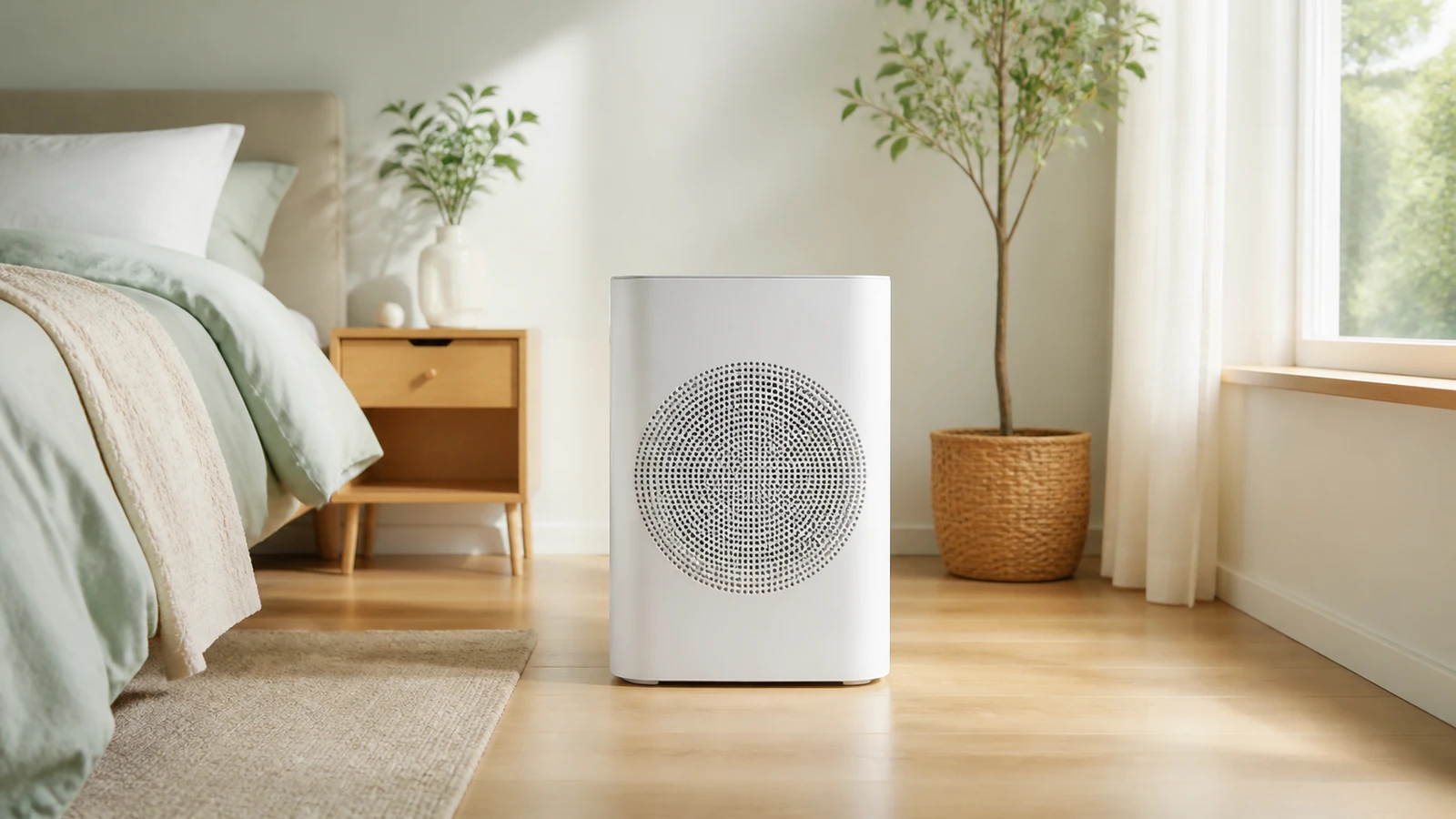 Find the best allergy air purifier →
The short answer
For allergies, the best air purifier is one with true HEPA filtration, enough airflow for the room, and a fan quiet enough that you'll leave it running — because allergen control is about consistency, not peak power. Picks by room:
- Bedroom — Coway Airmega AP-1512HH (~$175) for quiet, proven HEPA cleaning, or the smart, near-silent Levoit Core 300S (~$130).
- Pollen- or pet-heavy homes — Winix 5510 ($180), whose washable pre-filter catches pollen and dust before they clog the HEPA.
- Large living room — Blueair 211i Max or Levoit Core 600S ($300).
Allergy buyers care about dust, pollen, and pet dander — all fine particles a good HEPA filter captures well. The catch is that a tiny nightstand unit can't clean a full bedroom, so match the purifier to the room.
The two things that actually matter for allergies
- True HEPA filtration. This is what captures the pollen, dust, and dander that trigger symptoms — particles fine enough to stay airborne for hours. Every pick here uses it. Carbon and ionizers are secondary for allergies; particle filtration is the job.
- Running it continuously. Allergens enter the air all day and settle into bedding and carpets, so a purifier quiet enough to run around the clock does far more than a stronger one you switch on only after symptoms start. That's why noise and sizing matter as much as raw power — buy enough capacity to run on a lower, quieter speed.
Pollen
For seasonal pollen, the purifier helps most when you keep windows closed during high-pollen periods and run it consistently rather than reactively. During bad weeks, the same room effectively needs more cleaning, so headroom matters — a unit sized comfortably for the room can keep up on a quiet setting. A washable pre-filter (Winix 5510, Blueair models) is a real advantage in pollen season, catching the heavy load before it chokes the main filter.
Pet dander and dust
Dander and dust are the other common allergy triggers, and each has a dedicated guide that goes deeper than this page:
- For shedding homes, see the best air purifier for pets — the washable pre-filter matters most there.
- For dust specifically, see the best air purifier for dust, including how to pair a purifier with your HVAC filter.
- For allergies that disrupt sleep, the best bedroom air purifiers guide covers quiet, correctly-sized picks.
Remember that a purifier handles airborne allergens — it won't replace vacuuming dander and dust from floors, bedding, and furniture, which is where a lot of allergen load actually lives.
Size for the room, run it quiet
A purifier only helps if it moves enough air for the space. For allergies, buying a model with some headroom and running it on a lower, quieter setting beats buying the smallest unit and forcing it to run loud. Use the room-size calculator to set the baseline, then size up a little so you can keep it quiet enough to leave on overnight.
Pair it with your HVAC filter
For whole-home allergen control, the room purifier is only half the system. If you have central air, a higher-MERV furnace filter (MERV 13 where your system allows) filters pollen and dust across the whole house whenever the system runs, while the purifier handles the room you're in. Change the HVAC filter on schedule — a clogged one stops helping.
Where to put it, and filter upkeep
Put the purifier in the room where you spend the most continuous time — usually the bedroom — with clear space around the intake and outlet so air moves freely. And remember that allergy performance depends on maintenance: a purifier with dirty filters won't clean like it did on day one, so check replacement-filter cost and availability before buying. A washable pre-filter stretches the main HEPA's life in pollen- and pet-heavy homes.
Still choosing?
Take the quiz and we'll match an allergy purifier to your room, the trigger (pollen, dust, or dander), and your noise tolerance.
Frequently asked
What type of air purifier is best for allergies?
Choose a purifier with true HEPA filtration, enough airflow for the room, and replacement filters you can buy easily — HEPA is what captures the pollen, dust, and dander that trigger allergies. The Coway AP-1512HH and Levoit Core 300S are strong quiet bedroom picks, and the Winix 5510 adds a washable pre-filter for pollen- and pet-heavy homes. Match the purifier's coverage to your room size.
Can an air purifier remove pollen?
Yes — a correctly-sized HEPA purifier reduces airborne indoor pollen when run consistently, especially with windows closed during high-pollen periods. It works best as a continuous habit rather than a reaction to symptoms, and a washable pre-filter helps it keep up during heavy pollen weeks. It won't stop pollen you track in or that settles on surfaces, so pair it with closed windows and regular cleaning.
Where should I put an air purifier for allergies?
Put it in the room where you spend the most continuous time — usually the bedroom — with clear space around the intake and outlet so air circulates freely. For allergies that disrupt sleep, run a quiet, correctly-sized unit continuously rather than only at bedtime. Allergen levels build overnight and settle into bedding, so consistent operation in the bedroom does the most.
Is a small air purifier enough for allergies?
Usually not for a full room. A small desktop purifier helps only in a tiny personal zone; most allergy-focused bedrooms need a medium-size unit with real airflow, like the Coway AP-1512HH or Winix 5510. Buying a model with some headroom lets you run it on a quieter setting while still cleaning the whole room — better than forcing the smallest unit to run loud.
Do I need a HEPA filter for allergies?
True HEPA filtration is the key feature — it captures the fine particles (pollen, dust, dander) that cause most allergy symptoms. Carbon filtration and ionizers are secondary for allergies, since those target odors and gases rather than allergens. Prioritize a real HEPA filter, enough airflow for your room, and quiet operation so you keep it running; skip ozone-producing 'ionizing' devices.