← All guides

The buyer's guide

Air Purifiers

Dr

Reviewed by

Dr. Yocheved Yorkovsky · Science Editor, Health, Chemistry & Environment

The useful number is smoke CADR, not the biggest room-size claim on the box.

Air-purifier shopping goes wrong when you trust the room-size number on the box, because those figures assume one air change an hour. Start with your actual room size, then check the smoke CADR so the purifier can keep up at a fan speed you can tolerate. A machine that's only quiet on its weakest setting isn't doing the job. Carbon depth and filter cost round it out. The shortcut is in CADR vs room size.

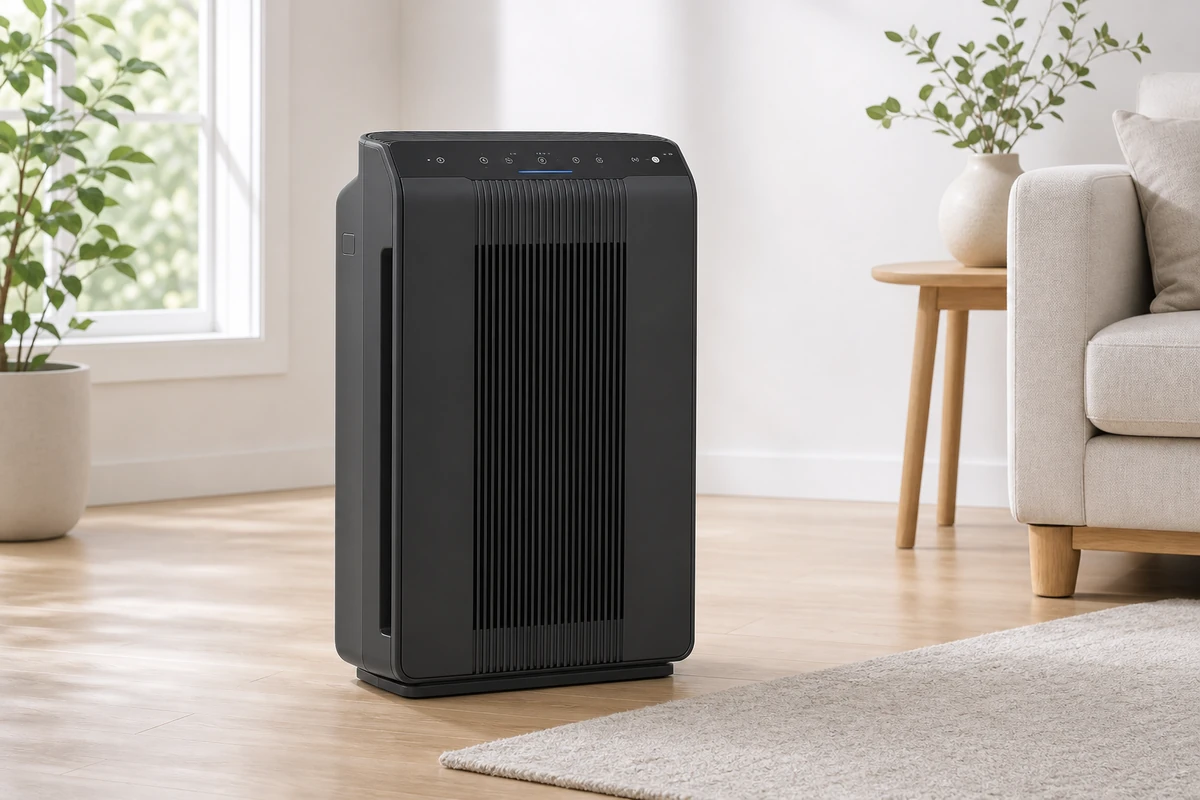
Our highest-grading purifier is the Winix 5510 at around $180: 253 smoke CADR for rooms up to ~392 sq ft, True HEPA, and, unusually at this price, a pelleted carbon bed that genuinely handles cooking odors rather than just light smells. One instruction comes with it: PlasmaWave is a bipolar ionizer, and we'd switch it off.

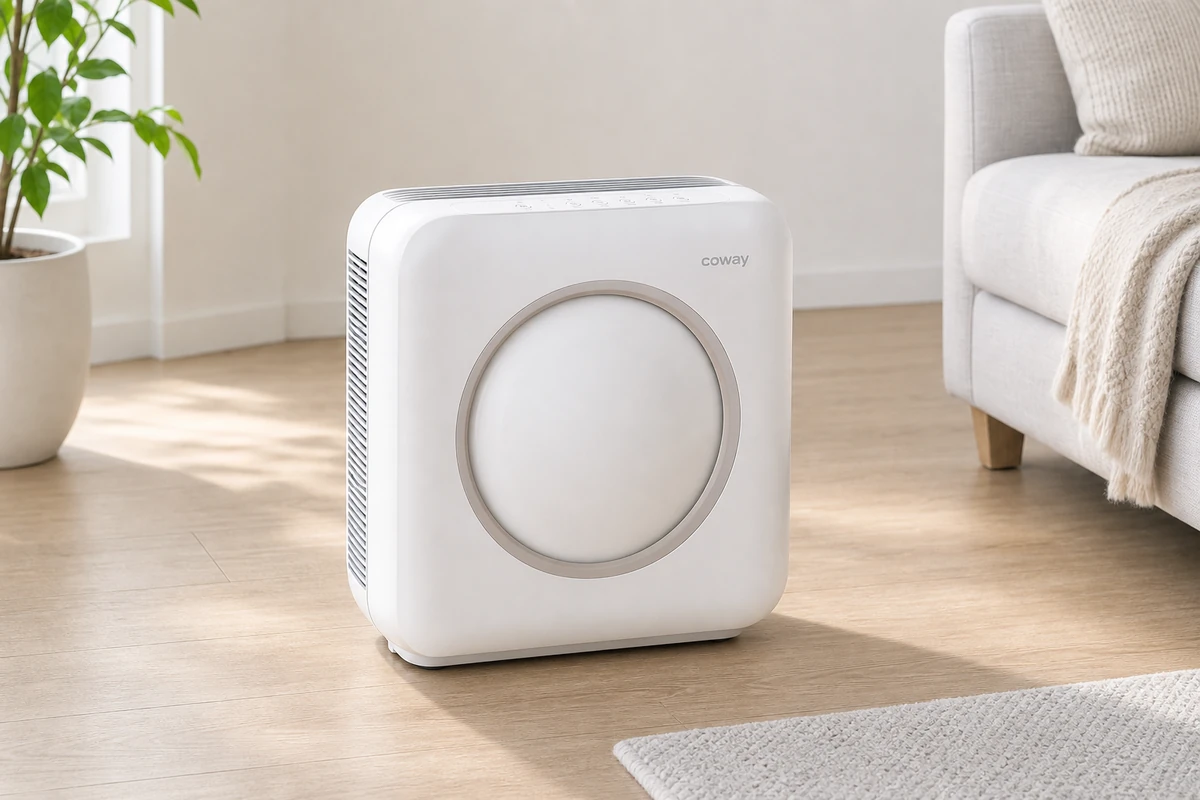
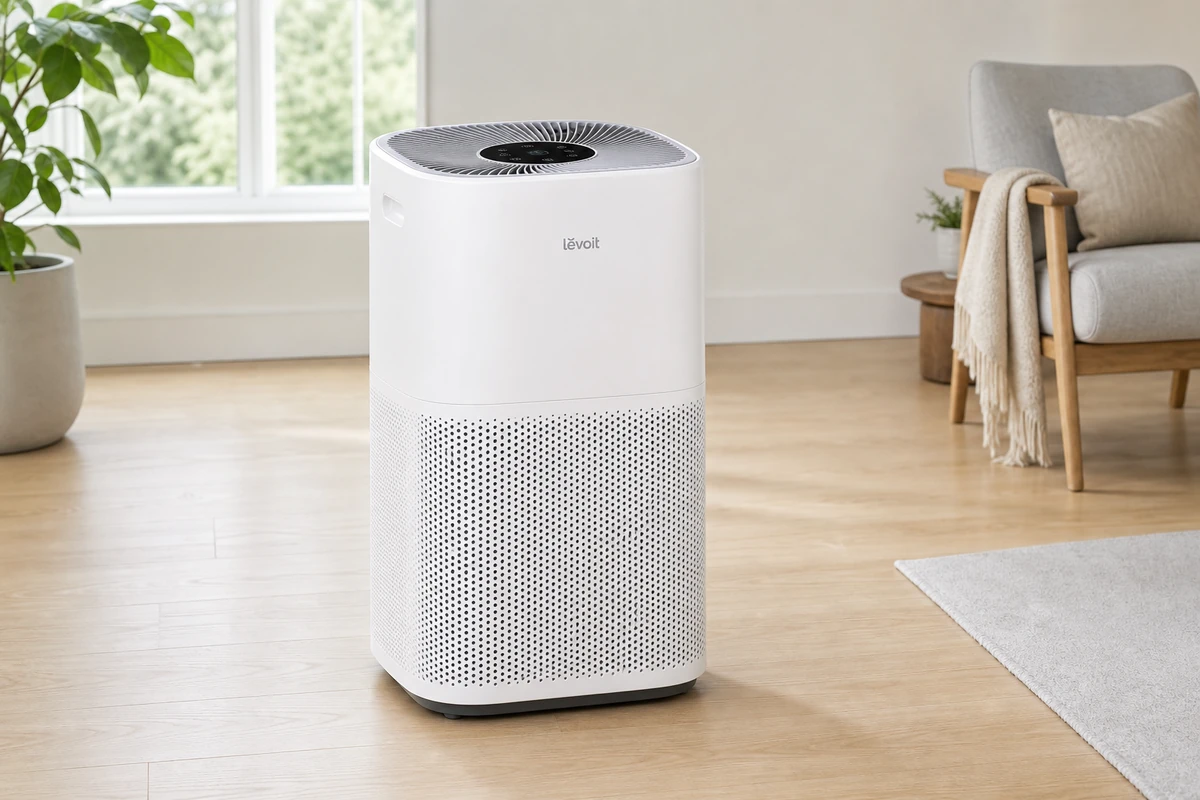
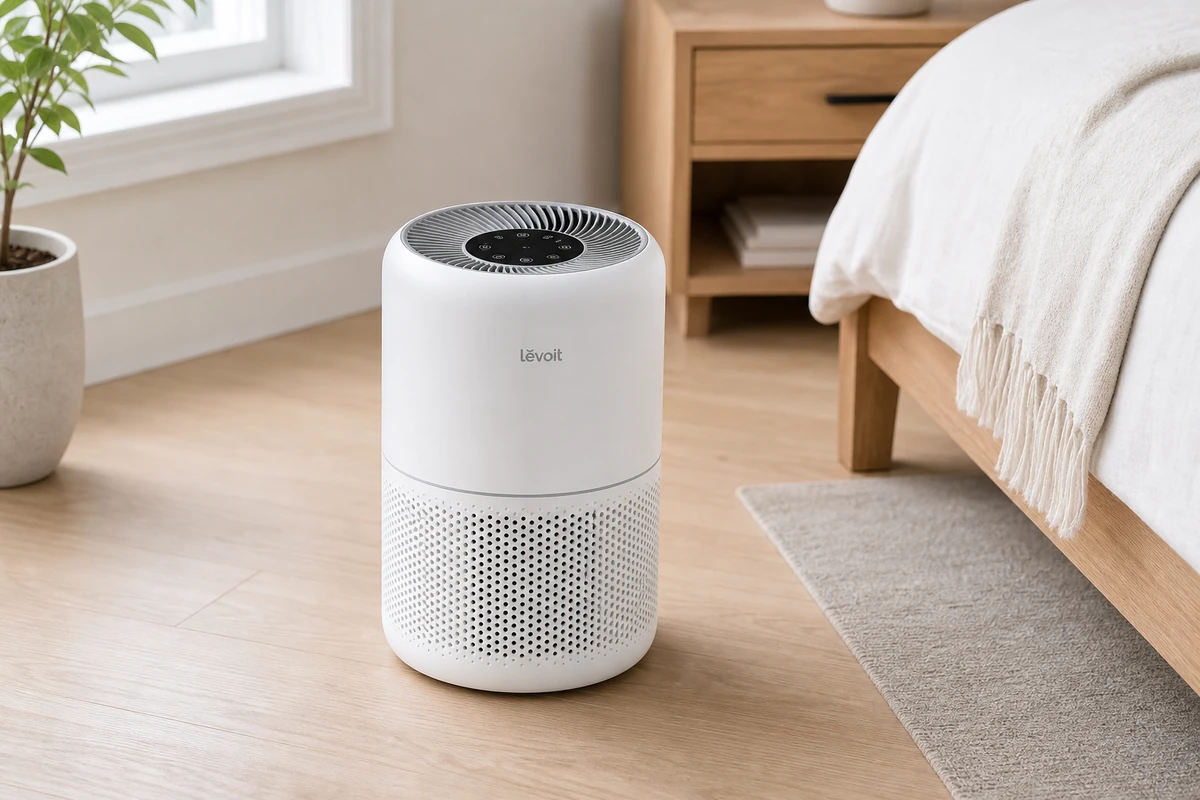
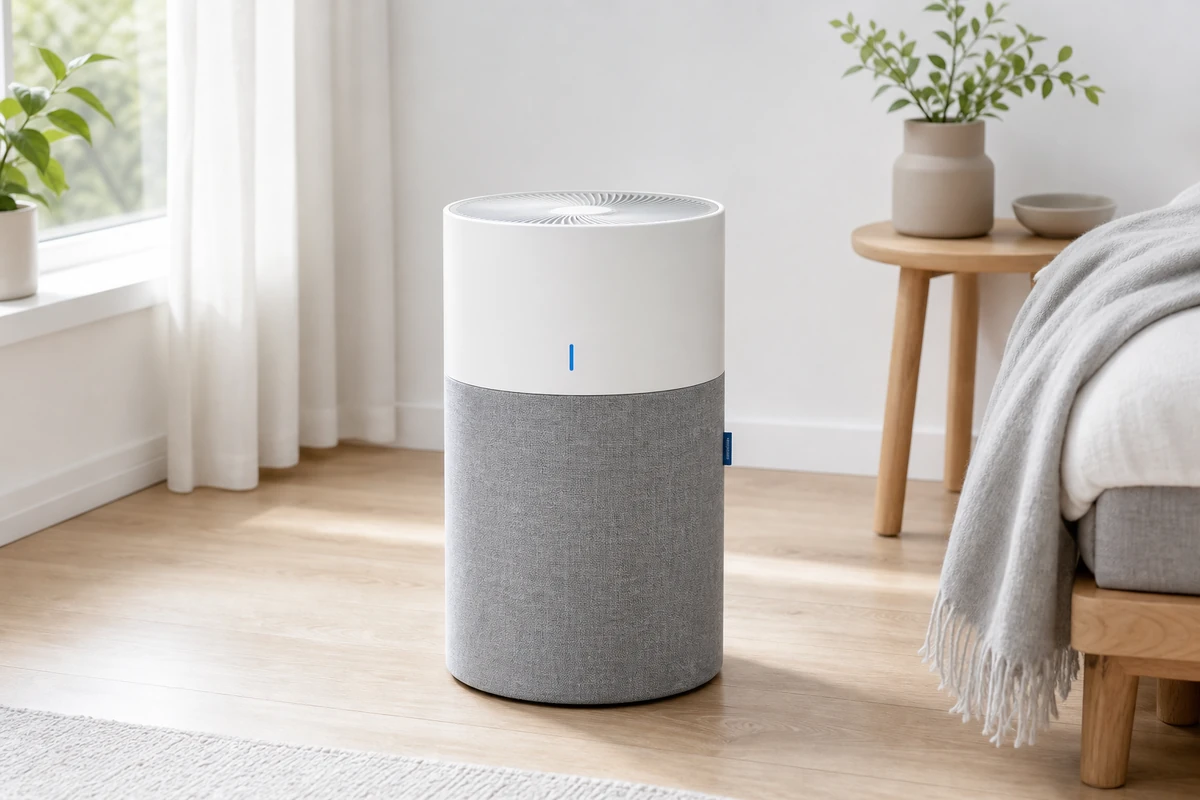
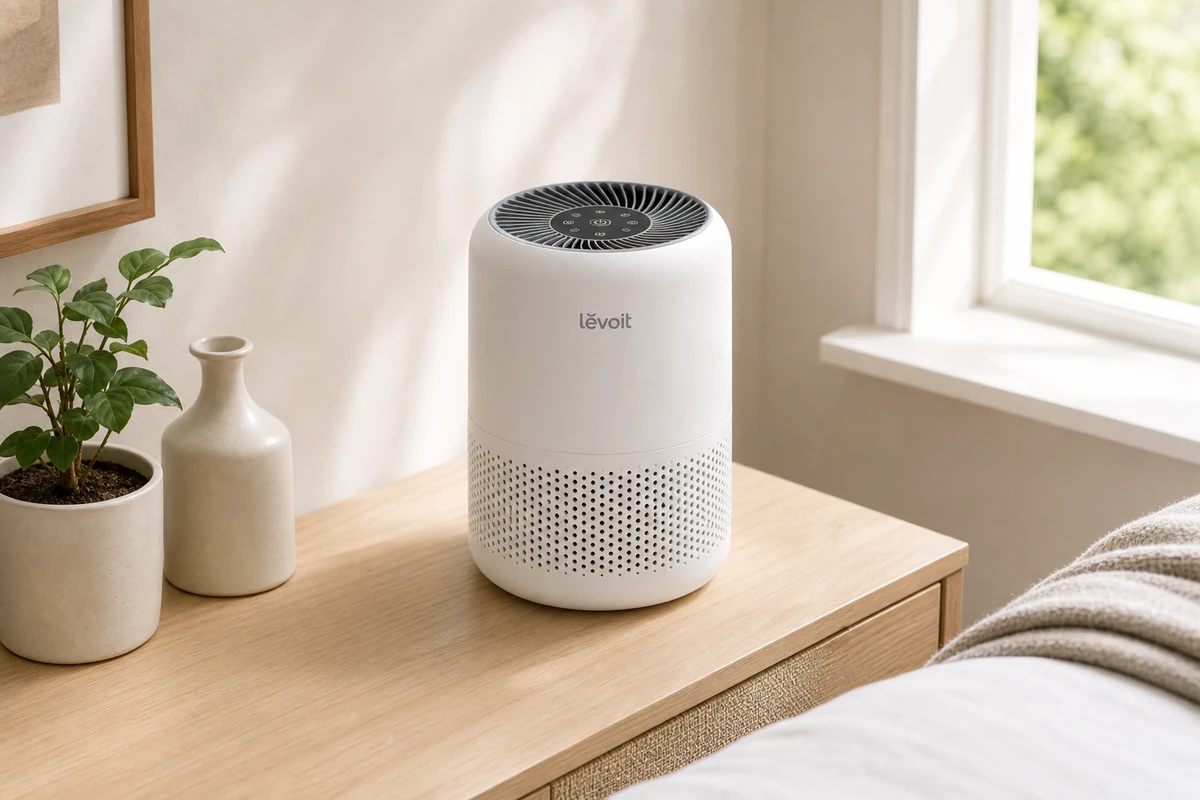
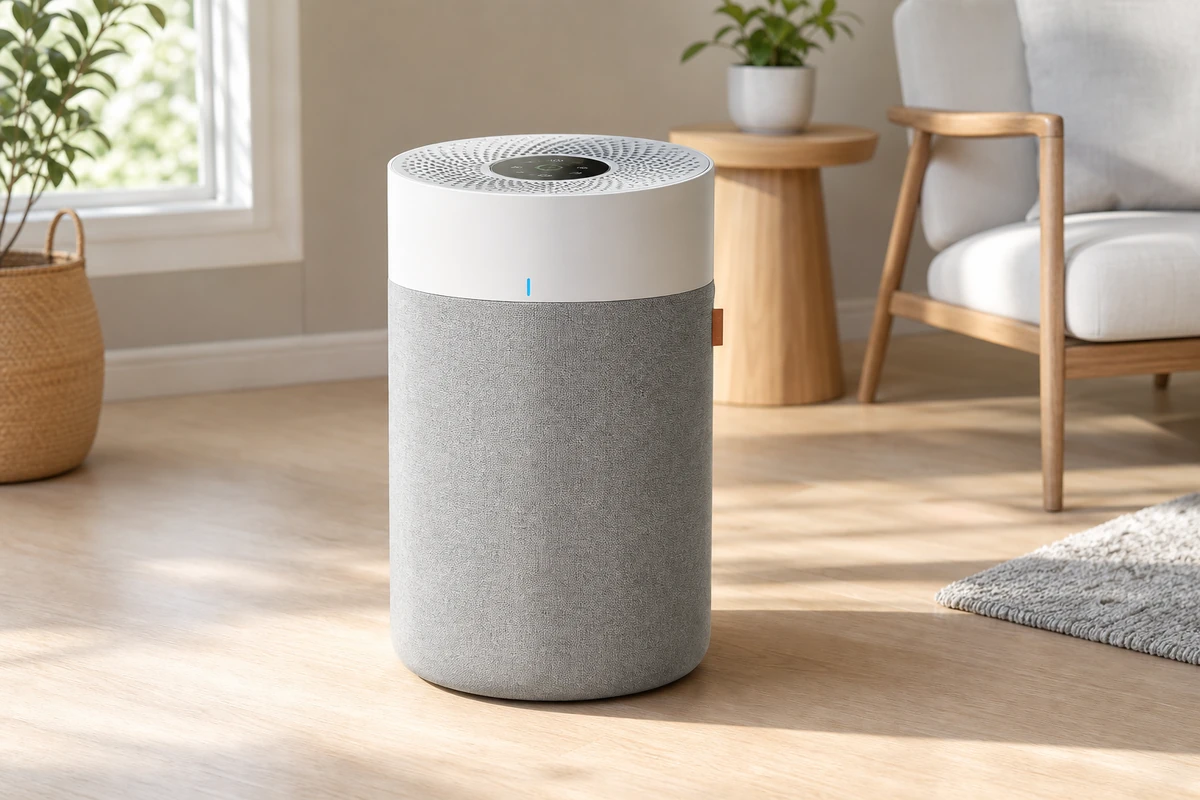
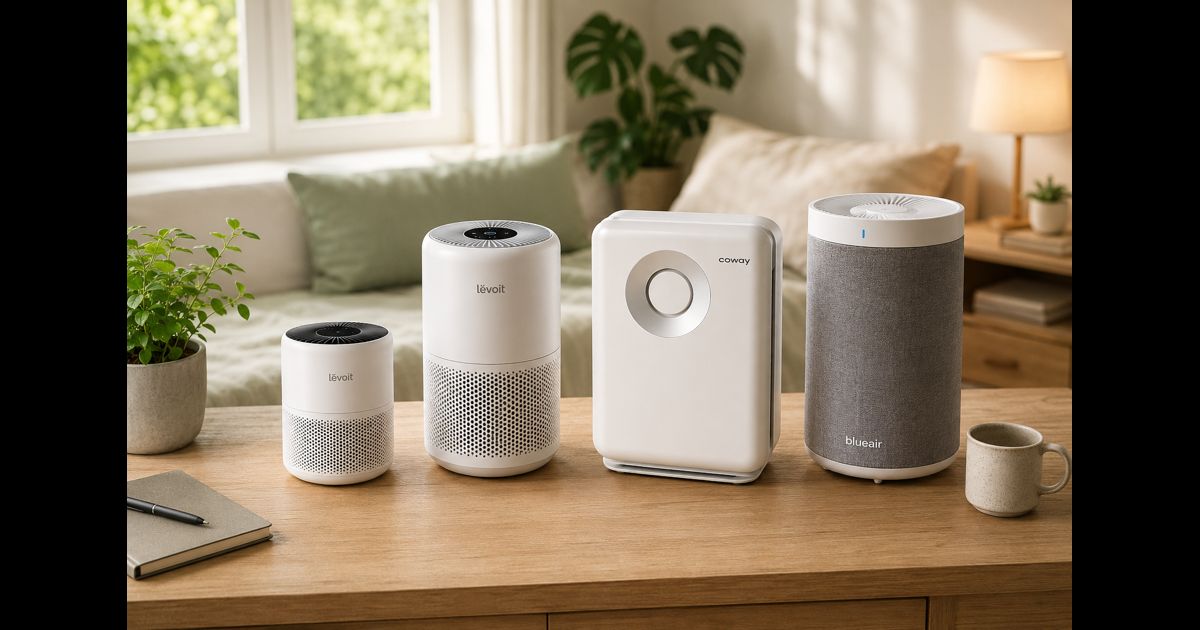
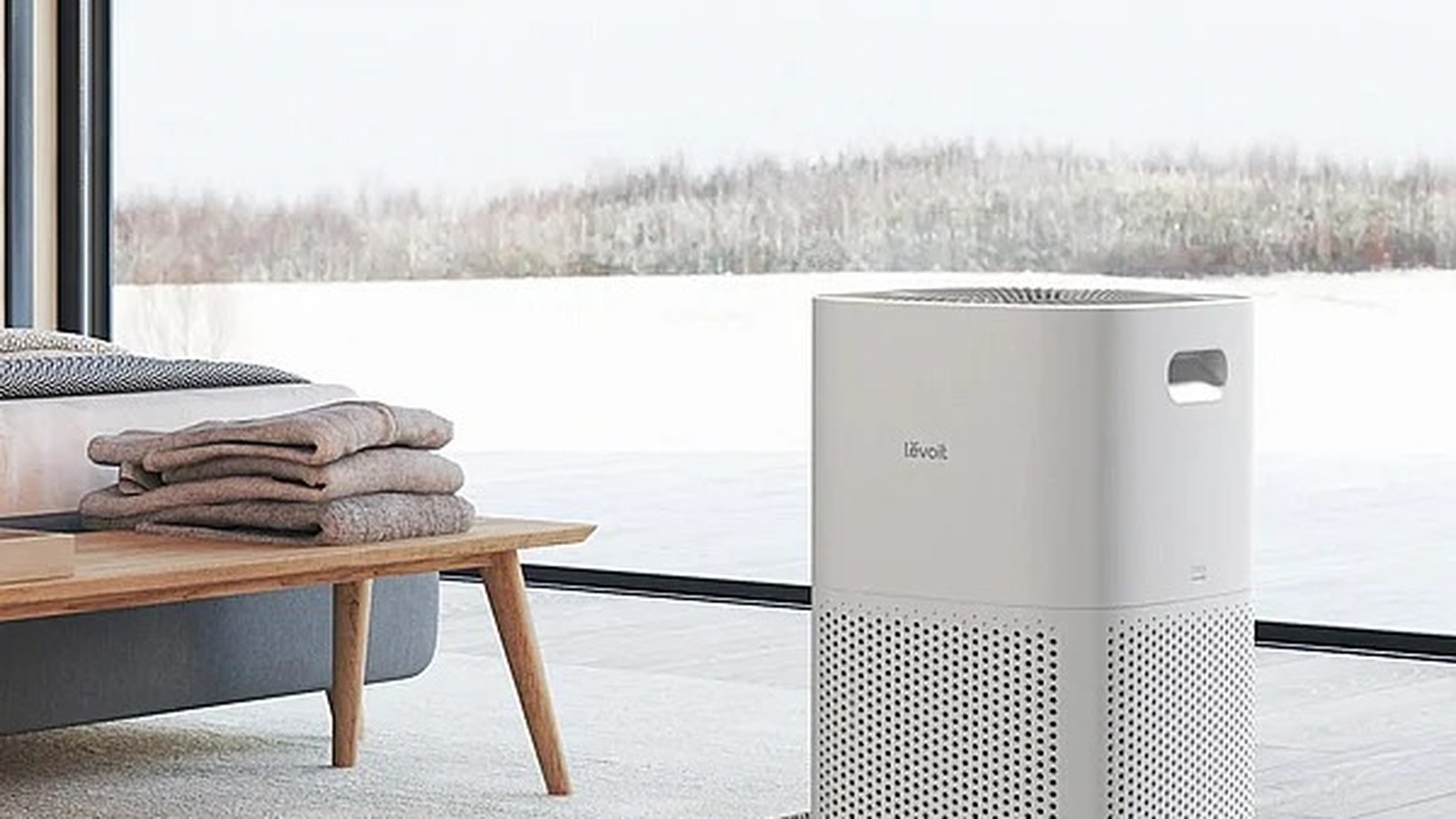
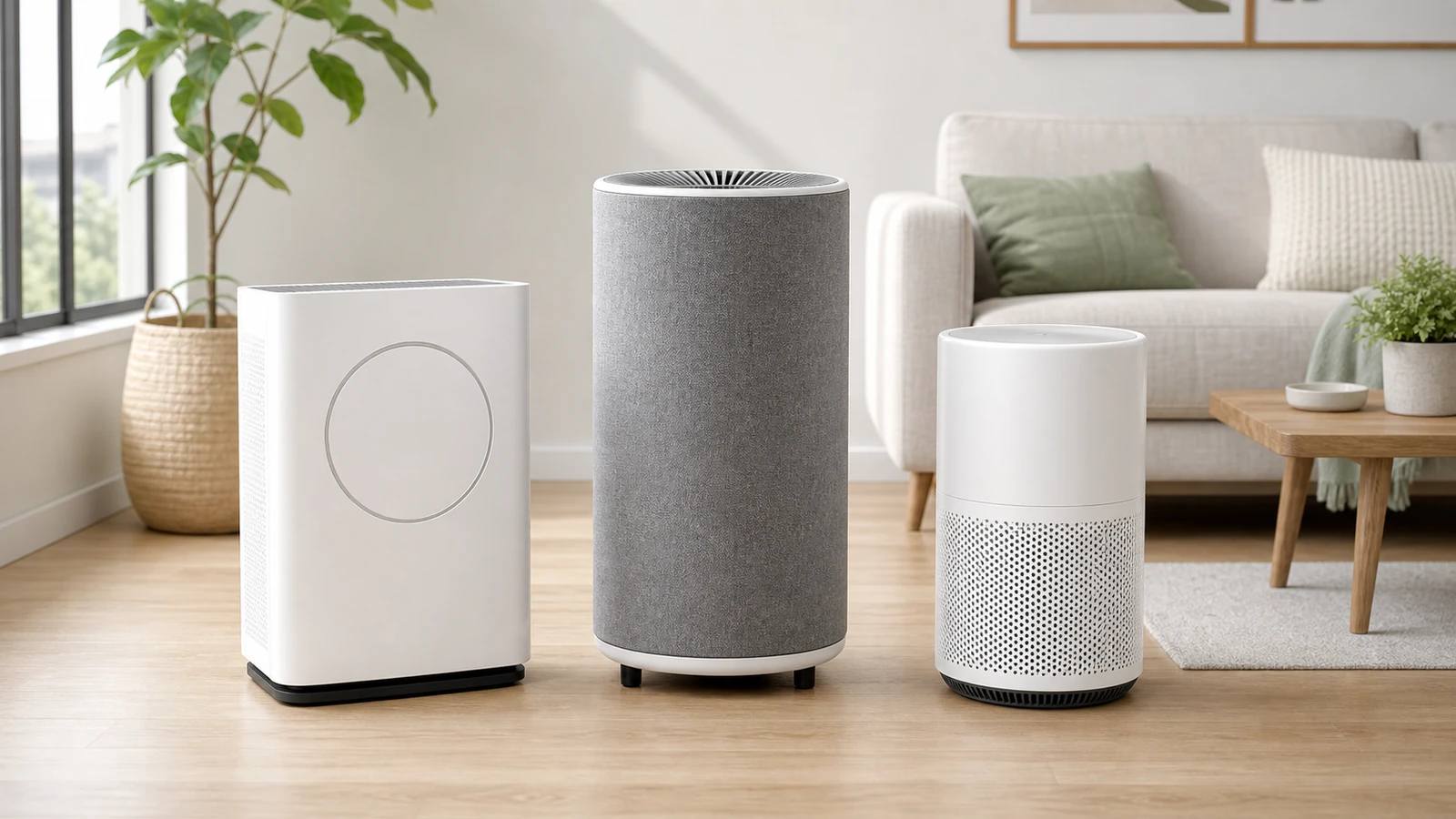
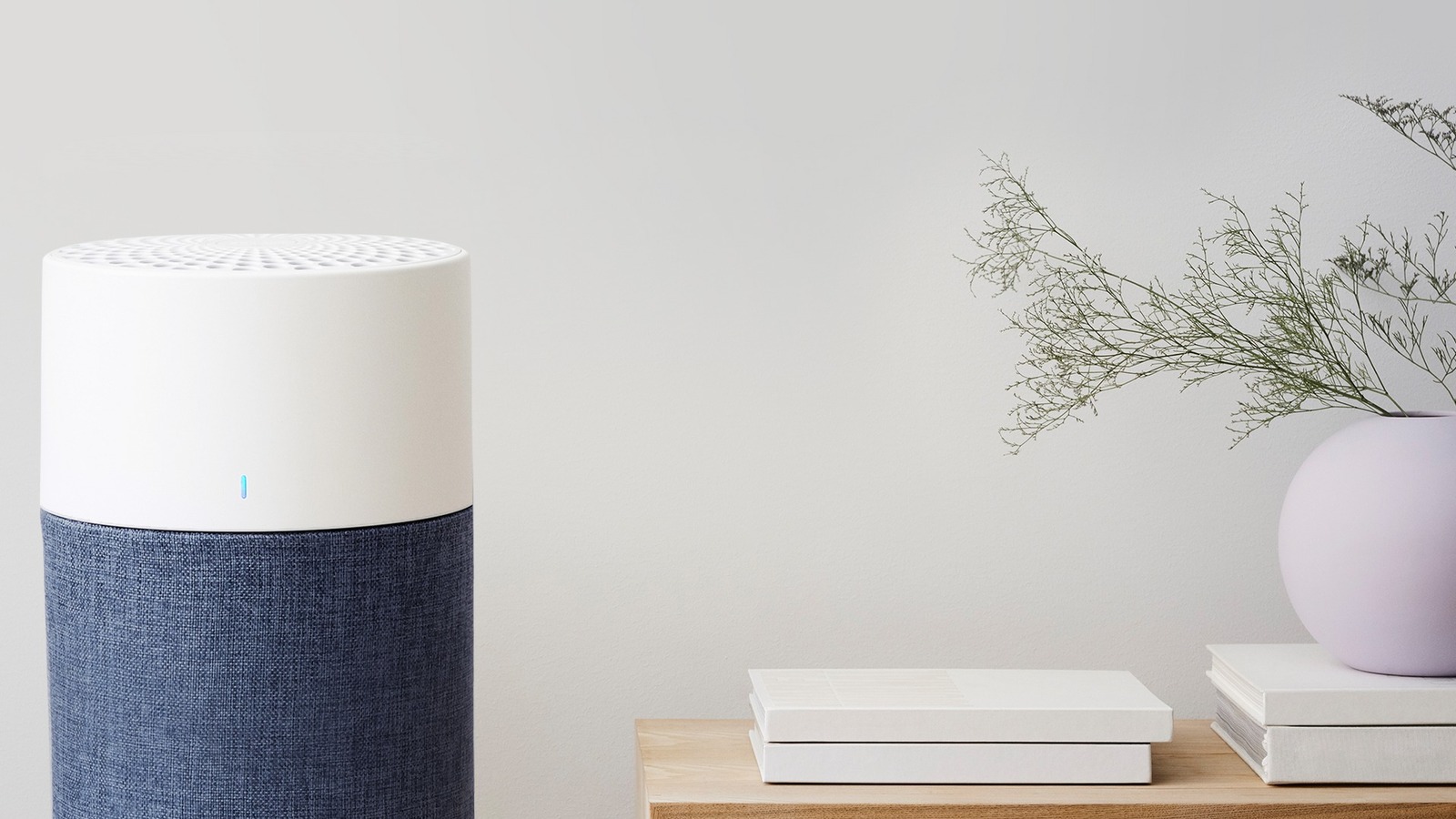
For a bedroom, the Coway AP-1512HH is the quiet, proven default, with AHAM-verified CADR and a 3-year warranty. The Blueair 311 Auto is the whisper-quiet alternative, in Coway vs Blueair 311. Large rooms need muscle: the Levoit Core 600S clears 600+ sq ft on an AHAM-verified 410 CADR. Small rooms get the Core 300S for ~$130, and a desk gets the Core Mini for $50, which cleans the air near you, not a room. Cross-shopping the two big brands? Levoit vs Coway turns out to be a room-size question, not a brand one.

A note on our grades: they measure absolute capability, and clean-air delivery is weighted 30%, so a small unit always scores lower than a big one. That is not the same as being the wrong purchase. Read the criteria, not just the total, and let your room decide.

Not sure? Take the 60-second quiz.

Start the questionnaire →

5 questions · about a minute
What we look for in a great air purifier

  • Room size and CADRWeight 0.3

    Match clean-air delivery to the actual room instead of relying on inflated max-coverage claims.

  • Particle filtrationWeight 0.2

    Prioritize reliable particle filtration for dust, pollen, dander, and smoke particles.

  • Noise at usable speedsWeight 0.18

    A purifier only helps if it stays quiet enough to run continuously in the room where you need it.

  • Odor and carbon fitWeight 0.16

    For smoke, cooking, and pets, carbon depth and expectations matter more than a simple carbon label.

  • Filter cost and maintenanceWeight 0.16

    Ongoing filter replacement cost can change the real value of a purifier over time.

What's in our catalog

7 picks

Air Purifiers guides

12 guides

Frequently asked questions

What CADR do I need for my room?
For an 8-foot ceiling, start with smoke CADR equal to at least two-thirds of the room's square footage. A 12 x 14 bedroom is 168 sq ft, so the baseline is about 112 cfm. Add more headroom for smoke, high ceilings, open layouts, or if you want to run the purifier quietly.
Why use smoke CADR instead of a brand's maximum room claim?
Smoke CADR is a comparable particle-cleaning rate measured in cubic feet per minute. Room claims often use different air-change assumptions, so a huge coverage number can be misleading. CADR is the better first filter when comparing models.
Does HEPA remove odors and VOCs?
HEPA-style particle filtration helps with dust, pollen, dander, and smoke particles. Odors and gases need activated carbon or another gas-removal medium. A thin carbon layer can help a little, but it is not the same as a deeper carbon bed.
Should an air purifier run all night?
Usually yes, especially in a bedroom. Air cleaning depends on fan speed and run time, so a purifier that stays quiet enough to run continuously is often better than a louder model you turn off.
How should I adjust for a high ceiling?
Multiply the room area by ceiling height divided by 8 before applying the CADR rule. A 200 sq ft room with a 10-foot ceiling should be treated like roughly 250 sq ft.
Is a tiny purifier enough for allergies?
Only in a very small space near you, like a desk, dorm corner, or bathroom. For a normal bedroom, a tiny purifier is usually underpowered compared with a full-size bedroom model.

How we grade

We score every product on the criteria that actually decide the purchase.

PickGrade grades air purifiers on five weighted criteria: clean-air delivery for the room (30%), particle filtration (20%), noise at usable speeds (18%), odor and carbon capability (16%), and filter cost and maintenance (16%). Two things are worth understanding about these grades. First, we prefer AHAM-verified CADR figures, and we mark a purifier down when its airflow number is manufacturer-supplied or estimated rather than independently verified. Second, the grade measures a purifier's absolute capability, not whether it's right for you. That means a small, correctly-chosen desk unit will score low here and still be exactly what you should buy for a desk, which is why our grades and our recommendations don't always point at the same product. The Levoit Core Mini is the clearest example: a modest grade, and still the right $50 purchase for a personal space. Fit is what the quiz and the buying guides are for. We do not claim hands-on lab testing; recommendations rest on manufacturer data, AHAM and independent measurements where they exist, and buyer-fit tradeoffs.

Read the full methodology →
PickGrade

The independent grading authority for the things you buy. Research once, decide fast — no sponsored top-10 lists.

Affiliate disclosure — PickGrade participates in affiliate programs, including Amazon Associates and partnerships managed through affiliate networks. We may earn a commission from qualifying purchases at no extra cost to you. This never affects our grades. Full disclosure.

Explore

Contact

Questions, feedback, or partnership inquiries?

admin@pickgrade.com

Company

© 2026 PickGradeNo sponsored placements · Ever