CADR vs Room Size: The Air Purifier Shortcut Most Buyers Miss
Room size matters more than brand when choosing an air purifier. Here’s how to use CADR, noise, and filter cost to avoid buying too small or too loud.
By Dr. Yocheved Yorkovsky · Science Editor, Health, Chemistry & Environment
June 12, 2026 · Openly AI-powered
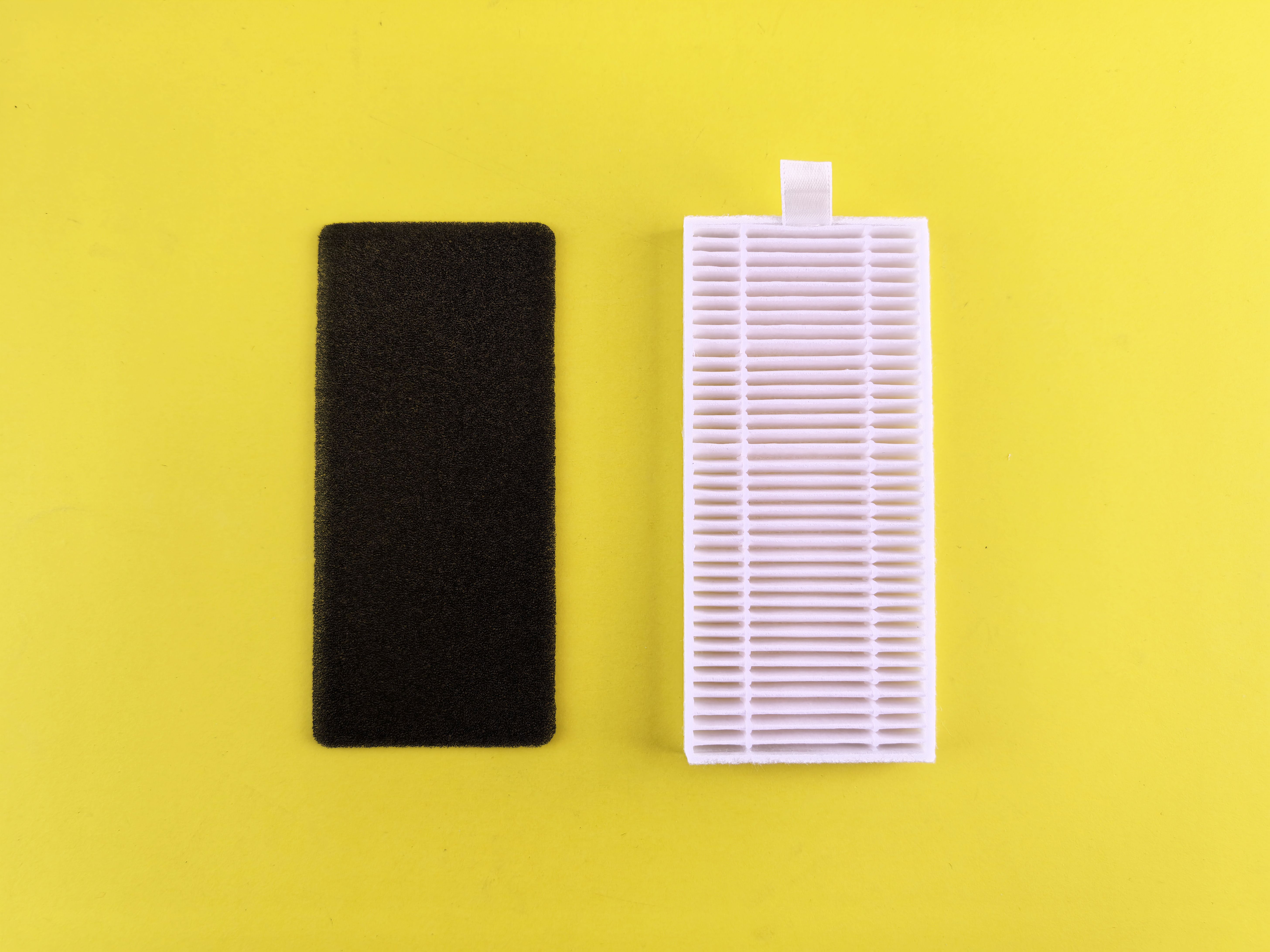
The easiest way to buy the wrong air purifier is to start with the brand.
The better shortcut is room size.
Air purifiers are airflow machines. A great small-room purifier can be useless in a large living room, and a powerful large-room purifier can be annoying in a bedroom if you only tolerate it on the lowest setting. That is why CADR is one of the most useful numbers in the category.
What CADR tells you
CADR stands for clean air delivery rate. It is a practical measure of how quickly a purifier can clean air for common particle types like smoke, dust, and pollen.
In plain English: higher CADR means more cleaned air per minute.
CADR is also the best lens on value, not just coverage. When we ranked the AHAM-verified units by clean air per dollar, the most expensive one turned out to be the best value — sizing up to a bigger unit cost nothing per dollar of clean air.
That matters because air purifiers do not “solve” a room once. They keep recirculating air over time. If the room is too large for the purifier, it may run constantly, sound louder than expected, and still fail to keep up with smoke, dust, or allergens.
Start with the room, not the product
Before comparing models, estimate the actual room where the purifier will live.
A bedroom is usually different from an open living room. A nursery is different from a kitchen-adjacent space. An apartment with wildfire smoke risk is different from a low-dust guest room.
If the purifier will sit in one bedroom, shop for that bedroom. If it needs to handle an open living space, shop for the open space. Do not assume one small purifier can clean an entire home.
For a bedroom-specific guide, start with best bedroom air purifiers. For bigger spaces, see best large-room air purifiers.
Noise changes the real size rating
The purifier that technically fits your room may not be the one you should buy.
Most people do not run air purifiers on maximum speed all day. Bedrooms need quiet operation. Living rooms need a setting that will not drown out conversation. If a model only has enough CADR on its loudest setting, it may be undersized in real life.
That is why it often makes sense to buy more purifier than the room technically requires. The headroom lets you run a lower, quieter setting while still getting useful airflow. We put numbers on that idea by ranking air purifiers by clean air per decibel — and the biggest unit, run slow, was the quietest for the air it moves.
Match the purifier to the problem
Different problems change the buying decision.
For allergies, airflow and consistent daily use matter most. Start with best air purifier for allergies.
For smoke, you want stronger airflow and meaningful carbon filtration. Start with best air purifier for smoke or wildfire smoke in an apartment.
For pets, think about dander, hair, pre-filters, and filter cost. Start with best air purifier for pet hair or pet dander in a bedroom.
For dust, the question is not just filtration. It is also how much air the purifier can move without becoming too annoying to run. See best air purifiers for dust.
Do not ignore replacement filters
A purifier is not a one-time purchase.
Filter cost affects whether you will actually keep using it. A cheap purifier with expensive filters can become a bad deal. A powerful purifier with unavailable filters can become useless. Before buying, check replacement cost, replacement frequency, and whether third-party filters are worth the risk.
The simple buying rule
Buy for the room you actually need to clean, then add headroom for noise, smoke, pets, high ceilings, or open layouts.
If you are still comparing models, start with the main air purifier guide or answer the quiz. It is faster than reading ten model reviews and trying to reverse-engineer which one fits your room.
More air purifier guides
- Take the Air Purifiers quiz
- Best Bedroom Air Purifiers for Allergies
- Humidifier vs Air Purifier: Different Machines, Different Problems
- Levoit Core Mini vs Core 600S: Same Brand, Different Job
- Coway Airmega AP-1512HH Review: The Safe Bedroom Pick
- Levoit Core 600S Review: The Large-Room Pick
- Blueair Blue Pure 311 Auto Review: The Simple Mid-Size Pick
- Levoit Core Mini Review: Good for Desks, Not Bedrooms
- Best Air Purifiers Under $250
- Best Air Purifier for Allergies, Pets, and Smoke
- Coway Airmega AP-1512HH vs Blueair 311 Auto
- Coway Airmega AP-1512HH vs Levoit Core 600S
- Blueair Blue Pure 311 Auto vs Levoit Core 600S
- Which Air Purifier Should I Buy? Start With Room Size
- Coway vs Blueair vs Levoit: Which Air Purifier Should You Buy?
Compare air purifier picks
- Best Small Air Purifier: What Works for Desks, Bedrooms, and Tiny Rooms
- Air Purifier Room Size Calculator: The Simple CADR Rule
- Coway Airmega AP-1512HH
- Blueair Blue Pure 311 Auto
- Levoit Core 600S
- Levoit Core Mini
Videos and outside scores
- Read AHAM Verifide guidance on CADR and room size.
- Read Wirecutter's air-purifier testing guide.
- Read Tom's Guide air-purifier reviews.
Scores use each publisher methodology and should not be treated as directly equivalent.