Best Cameras for Moving Beyond Your Phone
Four cameras worth shortlisting when you outgrow your phone — Canon R50, Nikon Z5 II, Fujifilm X-T5, and Sony A7 IV — plus why the lens matters more than the body.
By Eran Yorkovsky · Founder, PickGrade
June 9, 2026 · Openly AI-powered
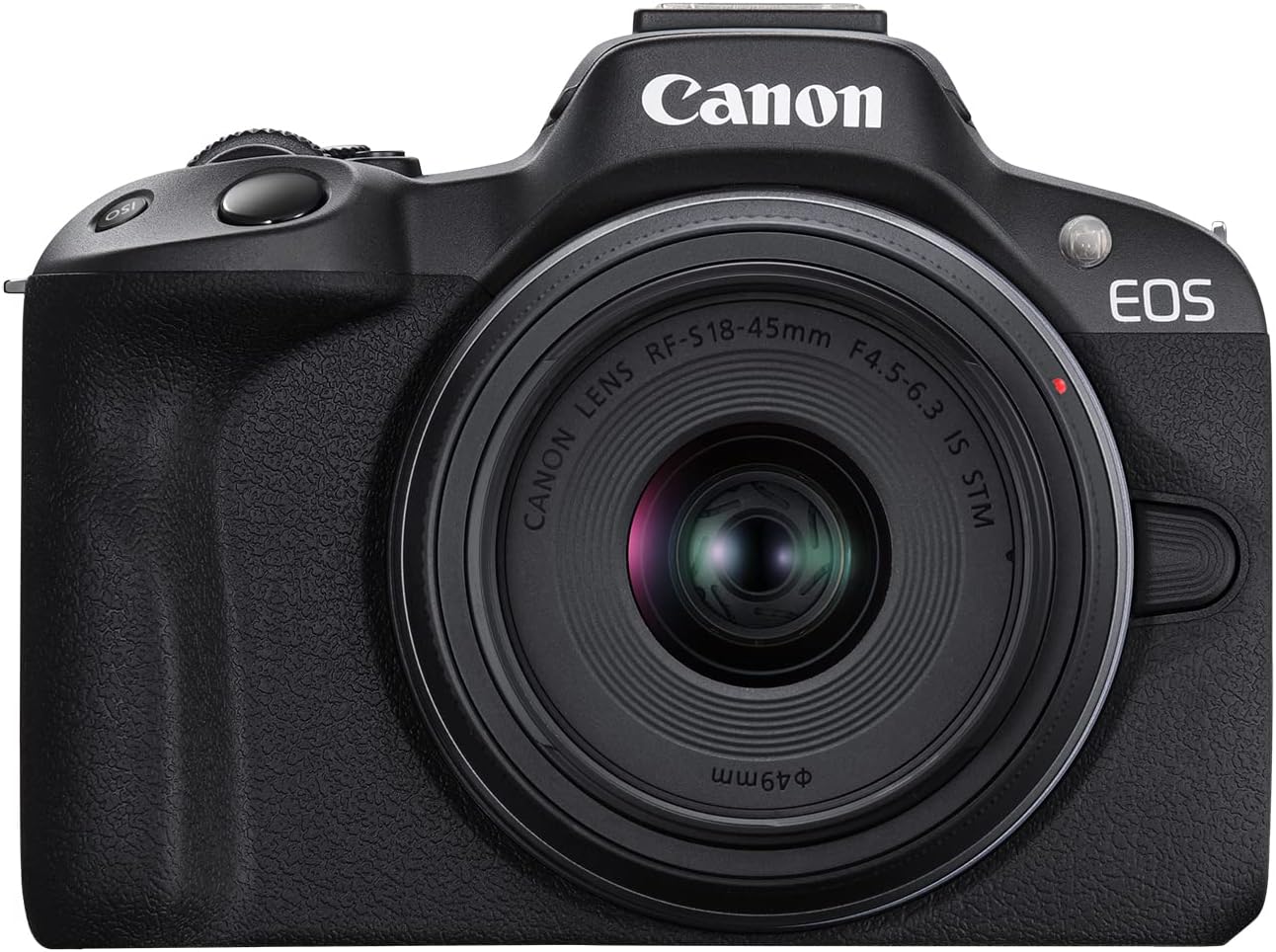
Moving up from phone photography is mostly about three things: better low-light shots, real zoom and depth through lenses, and autofocus that catches kids, pets, and moving subjects. You don't need a professional body for that — you need the right camera for how you'll actually shoot. Here are the four we'd shortlist.
The camera quiz will match one to your subjects and budget in a minute. Otherwise:
1. Canon EOS R50 — best first camera
The Canon EOS R50 is the easiest recommendation for beginners and families. It's compact, approachable, and its autofocus does the hard work of keeping kids and pets sharp. It's the camera that gets used because it's never a burden to bring.
Best for: families and first-time buyers stepping up from a phone.
2. Nikon Z5 II — best full-frame value
The Nikon Z5 II is the pick when you want the image quality benefits of a full-frame sensor — better low light, more depth control — without flagship pricing. It's a camera an enthusiast can grow into for years.
Best for: beginners and enthusiasts who want full-frame quality at a fair price.
3. Fujifilm X-T5 — best for travel and stills
The Fujifilm X-T5 is the photographer's photographer pick: tactile manual controls, compact lenses, and color rendering people genuinely love. If your photography is travel, street, and stills rather than video, it's a joy to carry and shoot.
Best for: travel and stills shooters who care about the experience of photographing.
4. Sony A7 IV — best hybrid for photo and video
The Sony A7 IV is the do-both machine. Reliable autofocus, strong video, and excellent stills make it the safe pick for creators who genuinely split time between photography and video work.
Best for: creators who need one camera for serious photo and video.
The advice nobody gives you: budget for the lens
The kit lens gets you started, but lenses shape your photos more than the body does. Plan for at least one additional lens in your real budget — a fast prime for portraits and low light is the classic first upgrade — and check the lens ecosystem of the brand you pick, because that's the system you're really buying into.
How to choose
Buy the R50 if you want easy and light, the Z5 II if you want full-frame value, the X-T5 if stills and travel are the point, and the A7 IV if video matters as much as photos. Compare them all on the cameras hub or take the quiz.
FAQ
Is a real camera still worth it over a phone? Yes, if you want better low light, true background blur, real zoom, and fast autofocus on moving subjects. For casual snapshots, a modern phone is genuinely fine.
Full-frame or APS-C? Full-frame (Z5 II, A7 IV) gives better low-light performance and depth control; APS-C (R50, X-T5) keeps the camera and lenses smaller and cheaper. Neither is "better" — they're trade-offs.
What should my first lens upgrade be? Most people get the most joy from an affordable fast prime (like a 35mm or 50mm equivalent) — it transforms portraits and indoor shots.