← All guides

The buyer's guide

Cameras

Er

Reviewed by

Eran Yorkovsky · Founder, PickGrade

The honest first question isn't which camera — it's whether your phone is already enough.

The honest first question isn't which camera — it's whether your phone is already enough. A dedicated camera earns its bag space for four reasons: real background blur, low-light quality, autofocus that tracks moving kids and street scenes, and lenses that change what's possible. If none of those pull at you, keep the phone; if they do, the field sorts fast.

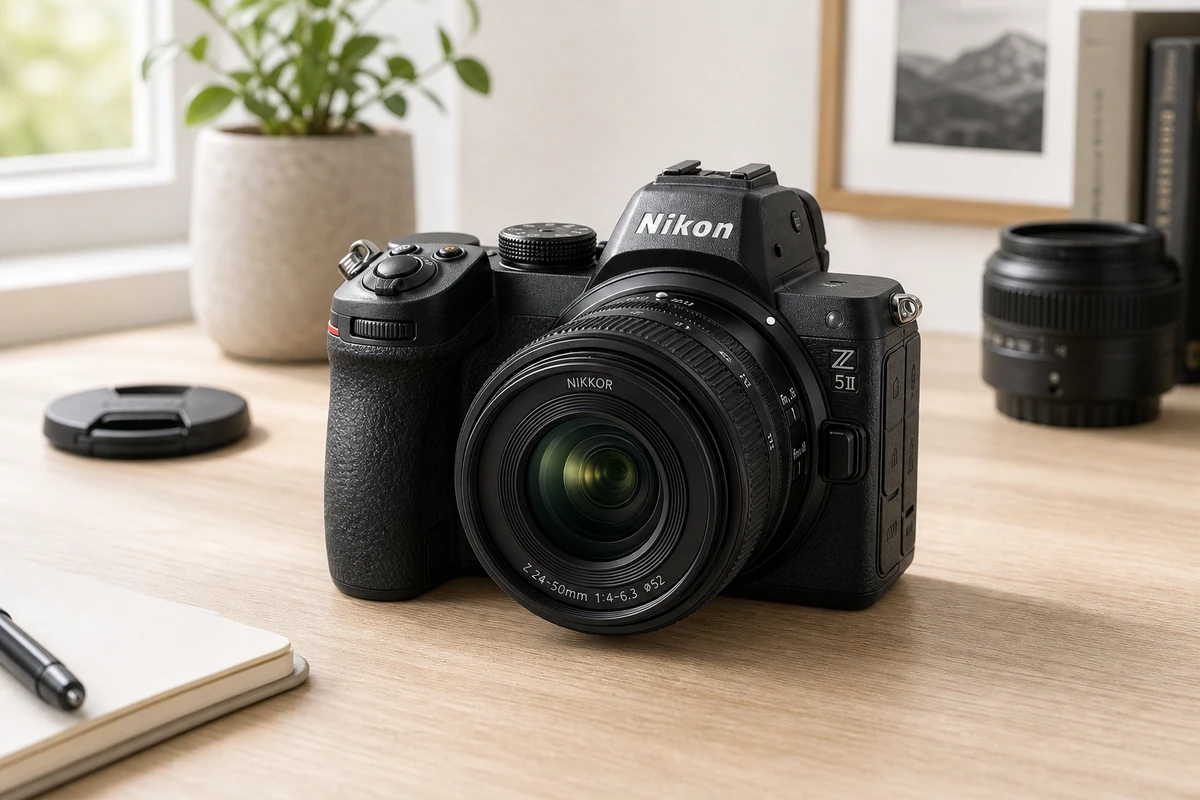
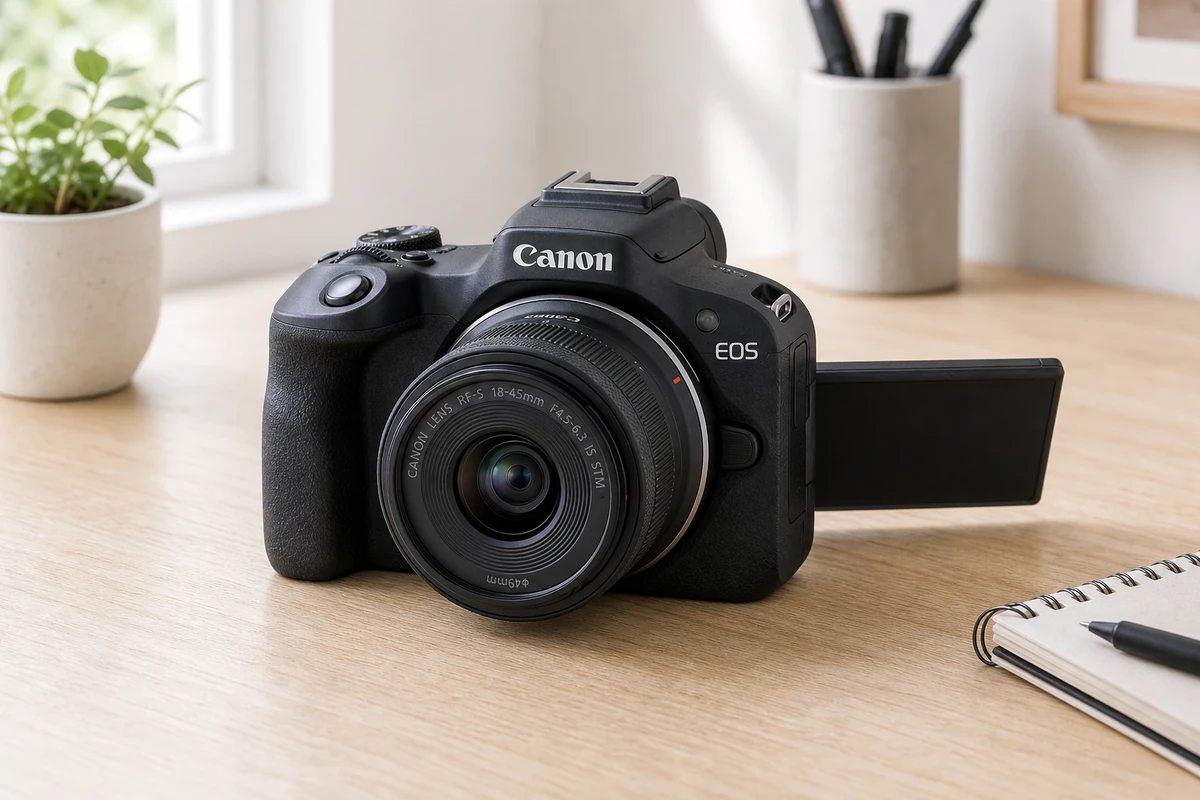
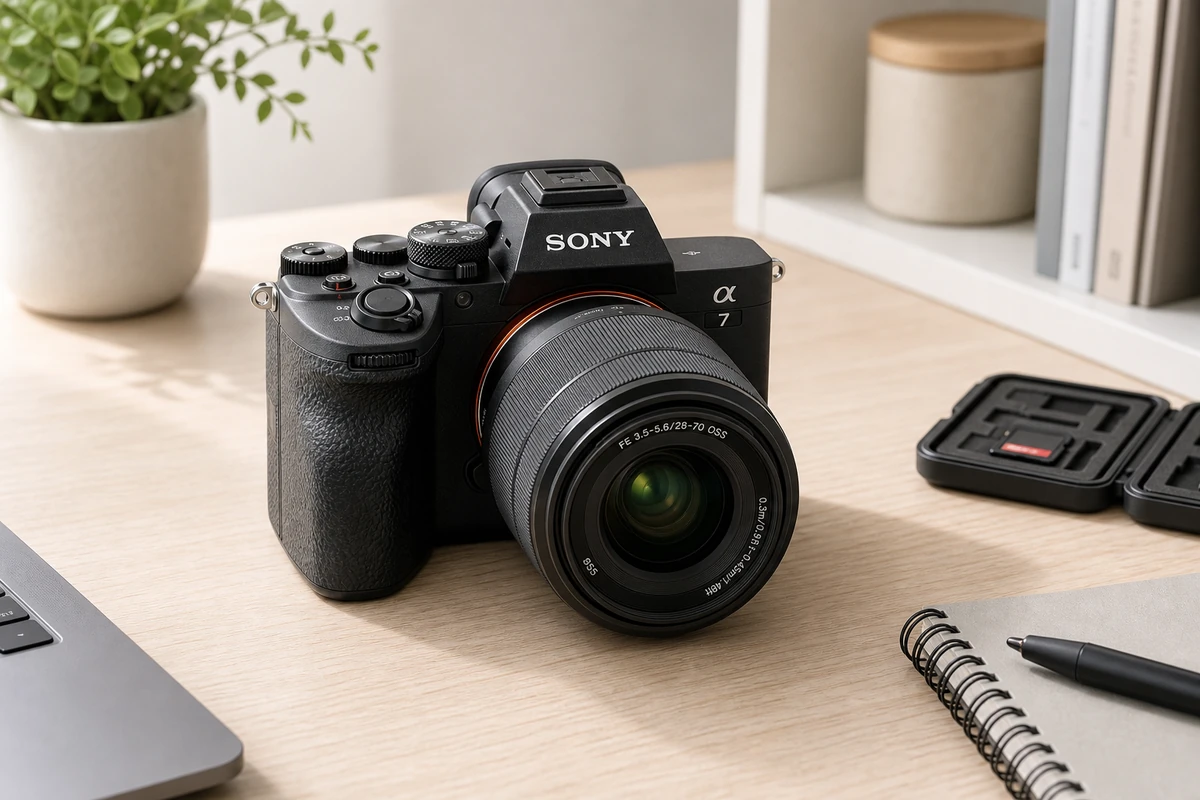
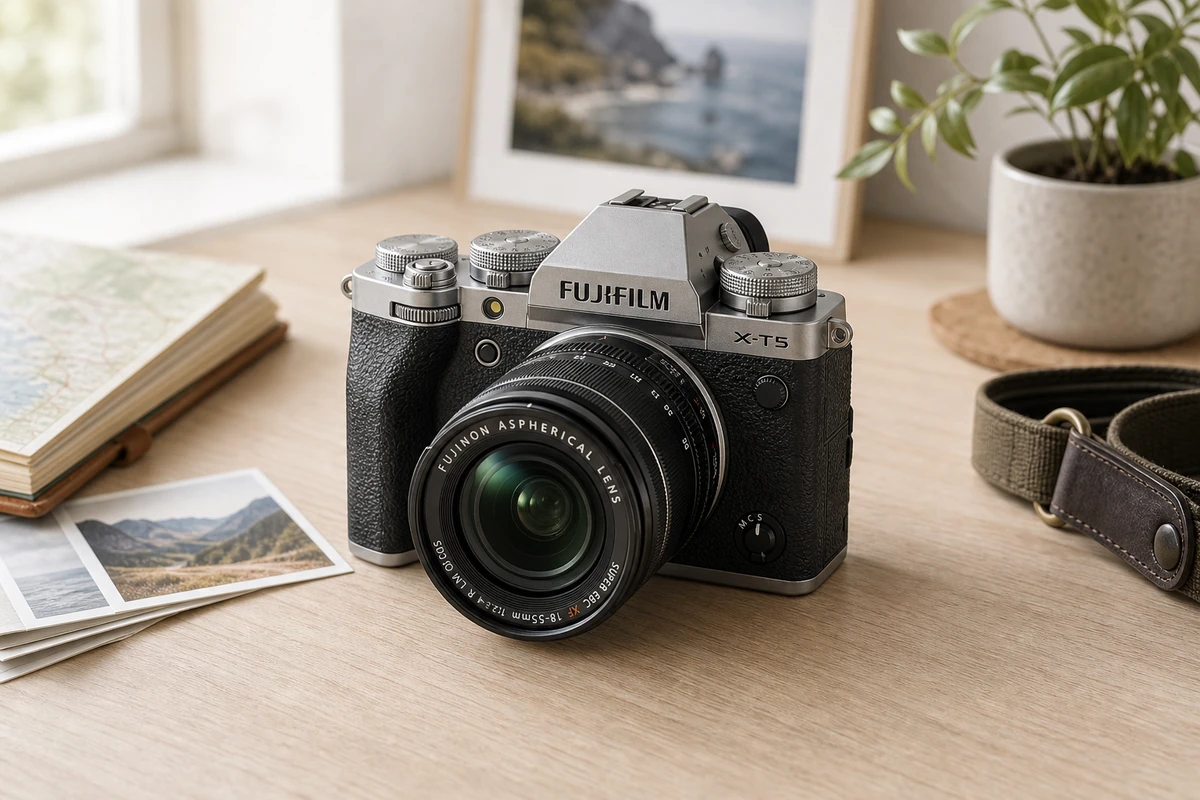
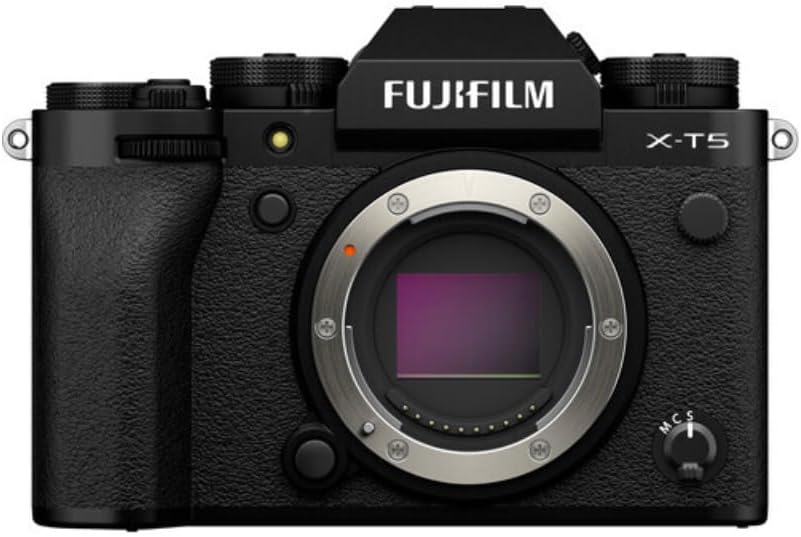
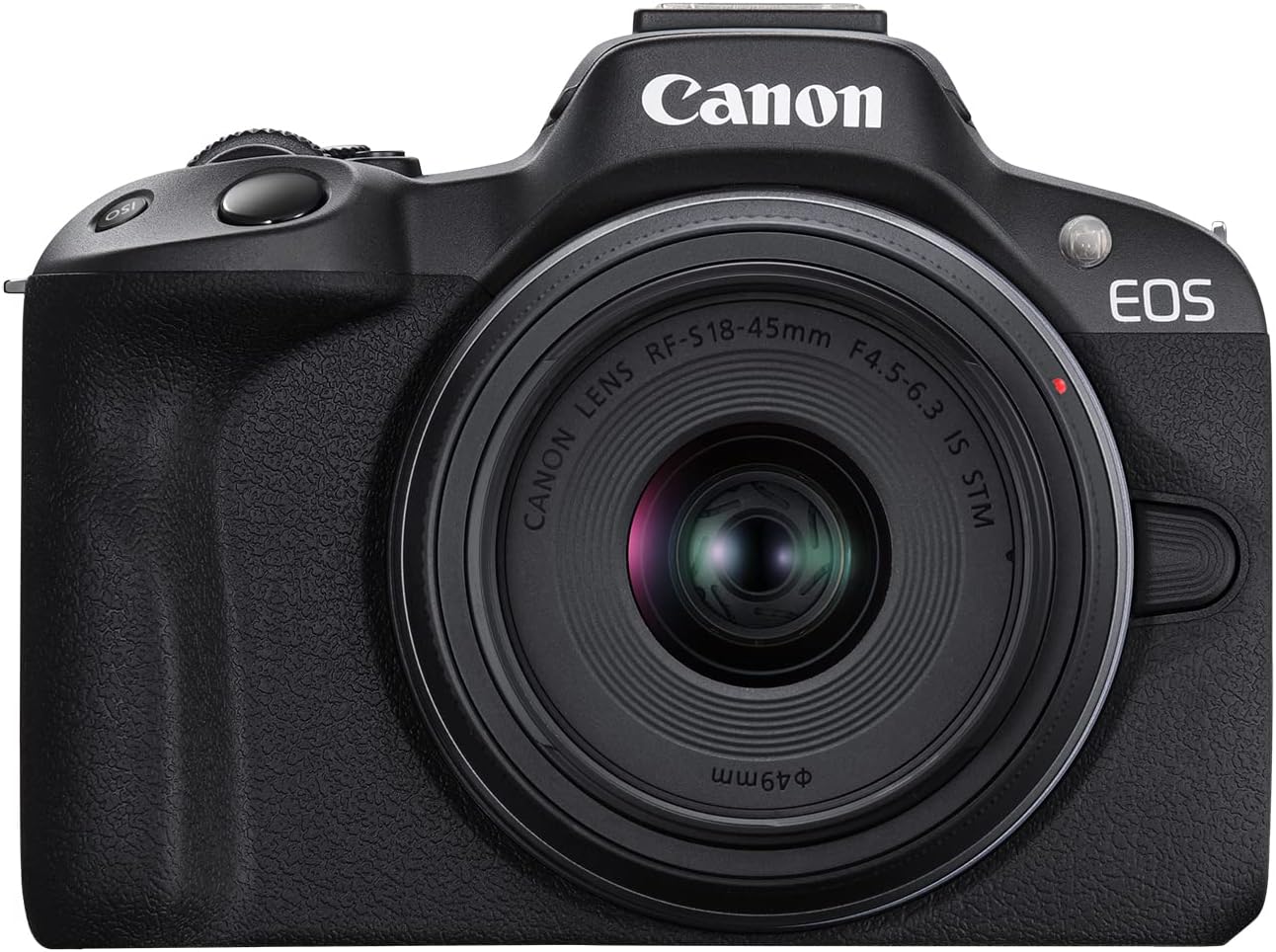
For a first real camera, the Canon EOS R50 is the $749 on-ramp — tiny, friendly, with autofocus that nails family shots while you learn. Ready to buy once instead? The Fujifilm X-T5 is the photographer's keeper — 40MP, dials, and the color Fuji is famous for — and we weigh that exact start-or-skip-ahead call in R50 vs X-T5. Full-frame buyers fork on video: the Nikon Z5 II delivers flagship-grade autofocus at $1,699, while the Sony A7 IV charges $800 more for the hybrid creator's toolkit — settled in Z5 II vs A7 IV and X-T5 vs A7 IV. Wondering whether to skip APS-C entirely? R50 vs Z5 II covers the sensor-size question head-on.

Not sure where you land? Take the 60-second quiz, or jump to your situation — beginners, travel and family, or moving beyond your phone.

Start the questionnaire →

5 questions · about a minute

What we look for in a great camera

  • Image qualityWeight 0.25

    Sensor size, low-light performance, and color for the photos you want to make.

  • AutofocusWeight 0.2

    Autofocus reliability for family, action, travel, and video subjects.

  • VideoWeight 0.15

    Video resolution, frame rates, and creator-friendly features.

  • Lens systemWeight 0.15

    Lens selection and system depth to grow into over time.

  • PortabilityWeight 0.13

    Size and weight — the camera you'll actually carry and use.

  • ValueWeight 0.12

    Body and kit value relative to your needs and budget.

What's in our catalog

4 picks

Frequently asked questions

How do I choose the best camera?
Start with what you shoot most: family photos, travel, portraits, sports, video, or content creation. Then compare sensor size, autofocus, lens options, stabilization, weight, and budget.
Is a mirrorless camera better than a phone?
A phone is easier and often good enough for casual photos. A mirrorless camera is better when you need lens choice, low-light quality, action autofocus, background blur, or serious video controls.
What camera is best for beginners?
Beginners should look for reliable autofocus, clear menus, good automatic modes, affordable lenses, and a body that feels comfortable. The best beginner camera is one you will actually carry and use.
Should I spend more on the camera body or lens?
For many buyers, better lenses matter more over time. A modest body with a sharp, useful lens can produce better results than an expensive body with the wrong lens.
What is the difference between APS-C and full-frame?
Full-frame sensors gather more light and give better low-light quality and more background blur, but bodies and lenses cost more and weigh more. APS-C is smaller, lighter, and cheaper, and is plenty for travel, family, and most everyday photography.
Do more megapixels mean better photos?
Not as much as people think. Beyond about 24 megapixels, most buyers gain little for normal printing and screen use. Autofocus, lenses, low-light performance, and color usually matter more than the megapixel count.
What lens should I start with?
A versatile zoom such as a 24-70mm equivalent kit lens is a good start for travel and family. Add a fast prime like a 35mm or 50mm later for low light and background blur once you know what you shoot most.

How we grade

We score every product on the criteria that actually decide the purchase.

PickGrade compares cameras around practical fit: what you shoot, image quality and low-light performance, autofocus, video features, lens system depth, portability, and price. We do not claim hands-on lab testing unless a page states it directly; recommendations are based on structured product research, manufacturer data, published review measurements, and buyer-fit tradeoffs.

Read the full methodology →
PickGrade

The independent grading authority for the things you buy. Research once, decide fast — no sponsored top-10 lists.

Affiliate disclosure — PickGrade participates in affiliate programs, including Amazon Associates and partnerships managed through affiliate networks. We may earn a commission from qualifying purchases at no extra cost to you. This never affects our grades. Full disclosure.

Explore

Contact

Questions, feedback, or partnership inquiries?

admin@pickgrade.com

Company

© 2026 PickGradeNo sponsored placements · Ever