NSF 42 vs NSF 53: The Certification That Decides Your Filter
NSF 42 and NSF 53 are not interchangeable: 42 covers taste and odor, 53 covers health contaminants like lead. Confusing them is how people buy the wrong filter. Here's how to read the certifications correctly.
By Dr. Yocheved Yorkovsky · Science Editor, Health, Chemistry & Environment
June 13, 2026 · Openly AI-powered
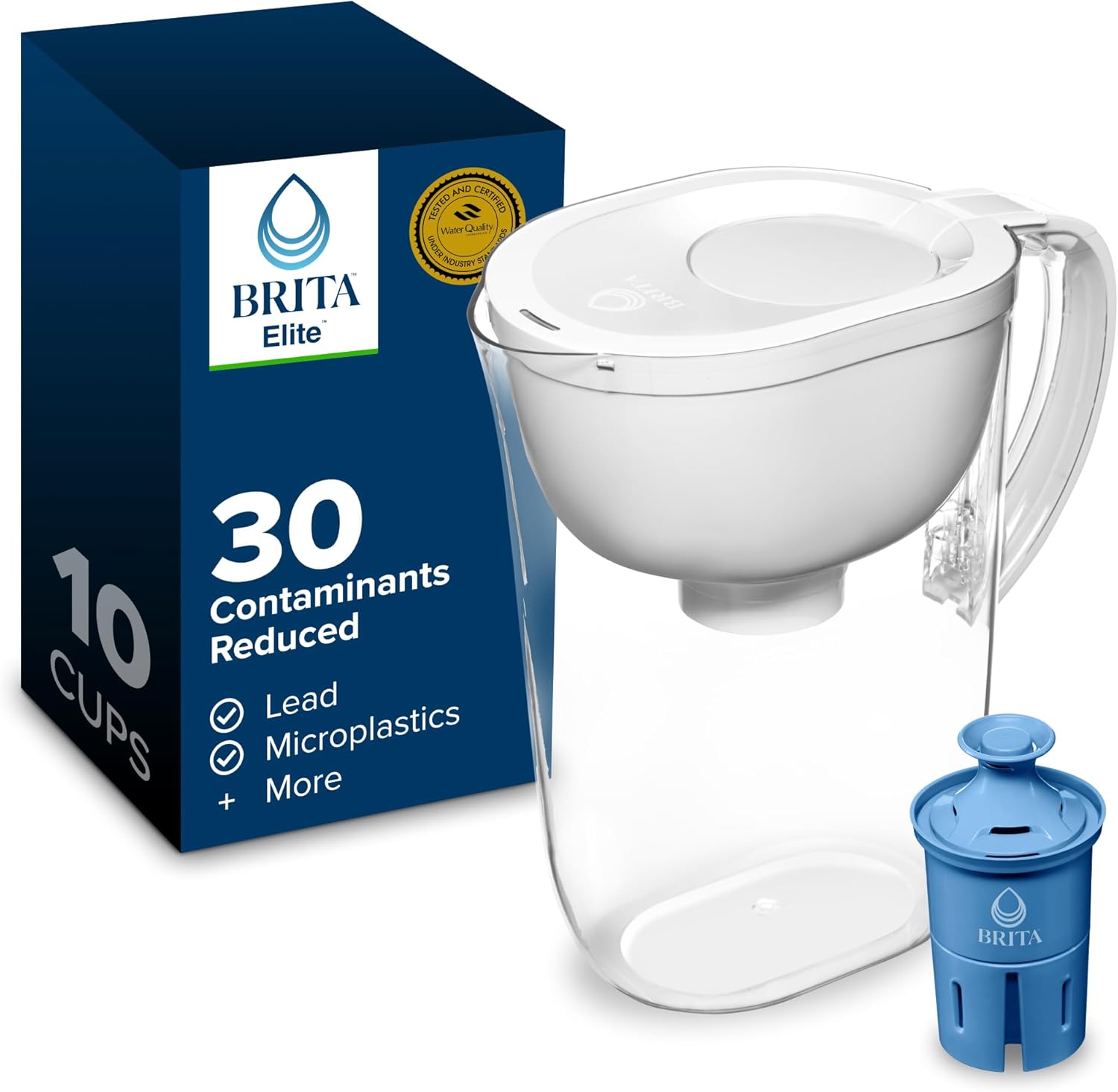
If you read one thing before buying a water filter, make it this: NSF/ANSI 42 and NSF/ANSI 53 are different certifications that cover different things, and confusing them is how people end up with a filter that improves taste but doesn't touch the contaminant they were actually worried about.
NSF International and ANSI publish the standards; independent labs test filters against them. A certification is a third party confirming a specific reduction claim — which is exactly why it's more trustworthy than a manufacturer's own wording on the box.
NSF/ANSI 42: aesthetic effects
Standard 42 covers aesthetic improvements — the things you can taste, smell, or see, not the things that can hurt you. The headline claim for faucet filters is chlorine taste and odor; the standard also covers chloramine taste and odor and particulate reduction (the cloudiness class ratings).
If your only goal is "my tap water tastes and smells like a swimming pool," a Standard 42 certification is what you need, and most inexpensive faucet filters carry it. The key word in the standard's own scope is aesthetic: NSF 42 makes water more pleasant. It makes no claim about making water safer.
NSF/ANSI 53: health-related contaminants
Standard 53 covers health-related contaminants — reductions with actual health significance. The one most people shop for is lead, but Standard 53 claims can also cover cysts like Cryptosporidium and Giardia, mercury, certain volatile organic compounds, and — more recently — certain PFAS reduction claims.
This is the crucial distinction: a filter certified only to Standard 42 is not certified to reduce lead. If lead or old plumbing is your concern, you need an explicit Standard 53 lead-reduction certification — see our lead guide for how to verify it.
One filter can hold both certifications, and the better faucet filters do. "NSF 42 and 53" on the box is the pattern to look for; "NSF 42" alone on a filter marketed for safety is the pattern to walk away from.
The other numbers you'll see: 401, 58, 44
Three more standards show up on packaging, and they're easy to mix into the 42/53 confusion:
- NSF/ANSI 401 covers emerging or incidental contaminants — trace pharmaceuticals and certain chemicals like BPA. It's a bonus, not a substitute for 53.
- NSF/ANSI 58 applies to reverse osmosis systems specifically. An RO system's lead claim is certified under 58, not 53 — same rigor, different product class.
- NSF/ANSI 44 covers cation-exchange water softeners — hardness, not contaminants. Irrelevant to a faucet filter decision.
For a faucet-mount filter, the decision still comes down to 42 (taste) and 53 (health). The others just tell you what kind of device you're looking at.
How to verify a certification in two minutes
Don't take the box's word for it — the registries are public:
- Open the NSF certified product database and search the exact model number.
- Open the listing and read the certified reductions list. This is the step people skip: a filter "certified to NSF 53" is certified for the contaminants it was tested for under that standard — which may or may not include the one you care about.
- No listing? Check the Water Quality Association's Gold Seal registry — WQA and IAPMO certify to the same NSF/ANSI standards. If the model appears in neither, treat every claim on the box as marketing.
And watch the language: "tested to NSF standards" is not "NSF certified." "Certified" means an accredited body verified the claim and audits the factory; "tested to" can mean the manufacturer ran its own bench test once. Prefer genuine certification.
What it means for the picks
| Filter | NSF 42 (taste) | NSF 53 (incl. lead) |
|---|---|---|
| PUR PLUS | Yes | Yes |
| Culligan FM-25 | Yes | Yes |
| Brita Faucet | Yes | Narrower scope |
| Waterdrop | Yes | — |
So a taste-first buyer is well served by any of them; a lead-focused buyer should choose the PUR PLUS or Culligan. The replacement cost guide then covers what each costs to keep running.
Quick answers
Does NSF 42 remove lead? No. Standard 42 covers aesthetic effects only — chlorine taste, odor, particulates. Lead reduction is a Standard 53 claim, and it must appear on the filter's certified-reductions list specifically.
Is NSF 53 "better" than NSF 42? They're not ranked — they certify different things. 53 addresses health contaminants, 42 addresses taste and clarity. A good faucet filter for a household worried about both carries both.
Can one filter be certified to both? Yes, and the strongest picks are. Dual 42 + 53 certification is the practical shorthand for "improves taste and has verified health-contaminant reduction."
What does the NSF/ANSI label actually guarantee? That an accredited lab verified the specific reduction claims in the listing, and that the manufacturer's production is audited. It guarantees the listed claims — nothing beyond them.
The bottom line
The number on the box tells you what kind of problem the filter is certified to solve. Don't pay for Standard 53 if you only want better taste — and never assume Standard 42 covers lead. Take the faucet filter quiz, which routes your specific concern to a filter certified for it.
This is general information about NSF/ANSI certifications, not water-safety advice for your specific home. If you suspect a contamination problem, test your water and consult your local water authority.
Still choosing?
- See all Faucet Water Filters
- Best Faucet Water Filter for Renters: No Drilling, No Trace
- Culligan FM-25 Review: Certified Lead Reduction on a Budget
- PUR Plus vs Culligan FM-25 Faucet Filter (2026)
- Aquasana Countertop Filter
- Aquasana Claryum 3-Stage Under-Sink
Our faucet filter picks
- PUR PLUS Faucet Mount Filter
- Brita Faucet Mount System
- Waterdrop Faucet Filter
- Culligan FM-25 Faucet Filter
Videos and outside scores
- Read NSF guidance on water-treatment standards.
- Search NSF certified drinking-water treatment products.
- Read Consumer Reports water-filter guidance.
Scores use each publisher methodology and should not be treated as directly equivalent.