The buyer's guide
Mesh Wi-Fi Systems
Reviewed by
Eran Yorkovsky · Founder, PickGrade
Stepping up in mesh Wi-Fi buys extra radio bands and faster ports that change what your network can carry — real capability, not just a badge.
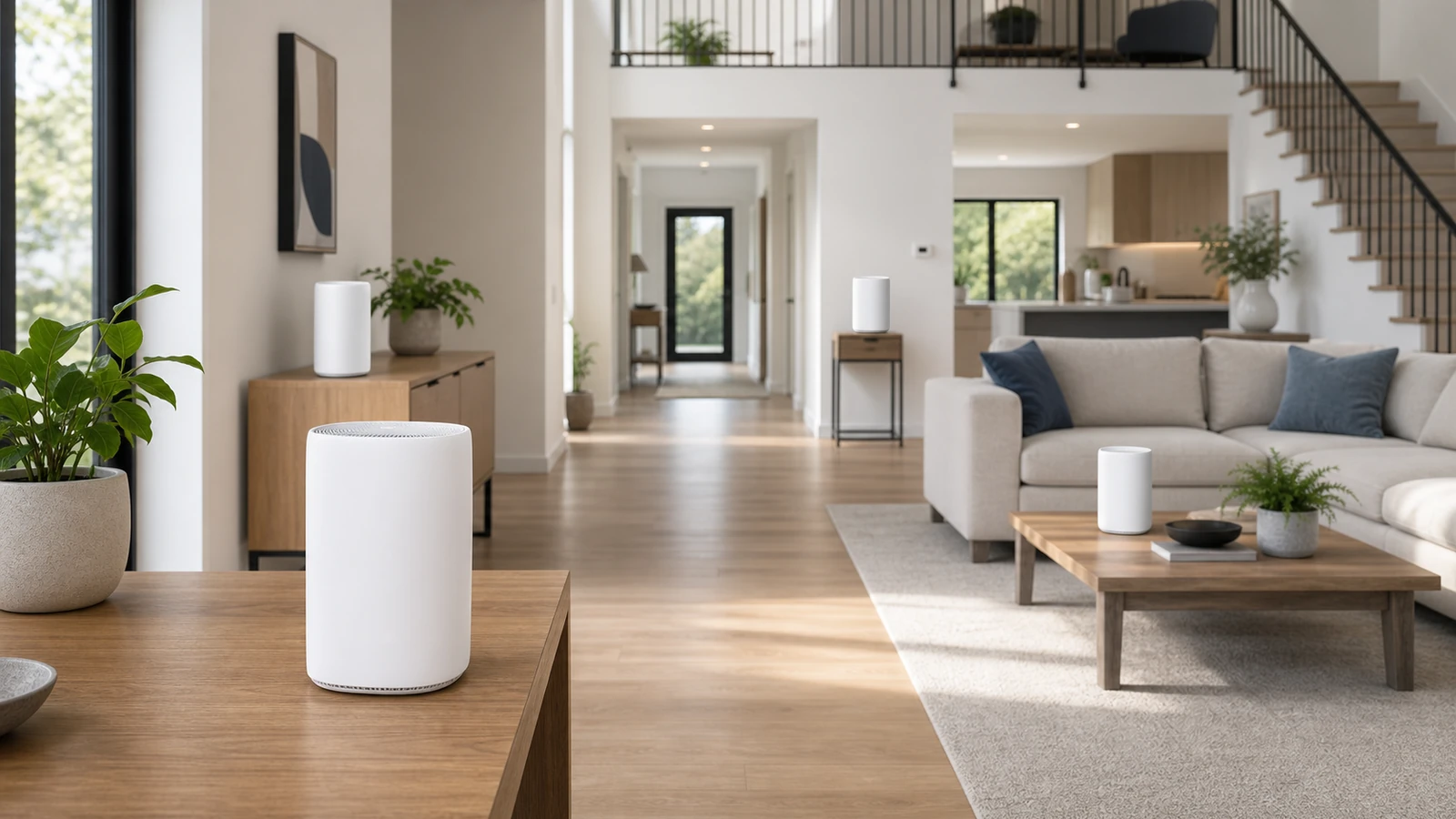
Mesh Wi-Fi solves one thing better than anything else: a single network that follows you from the front door to the back bedroom, with no dead zones and no manually hopping between a router and an extender. But "buy a mesh" is where easy ends. The right system comes down to five things — how much square footage and how many floors you're covering, how fast your internet actually is, whether you can run Ethernet between nodes (wired backhaul beats wireless every time), how many devices and smart-home gadgets you're juggling, and how you feel about brands that lock their best parental controls and security behind a monthly fee.
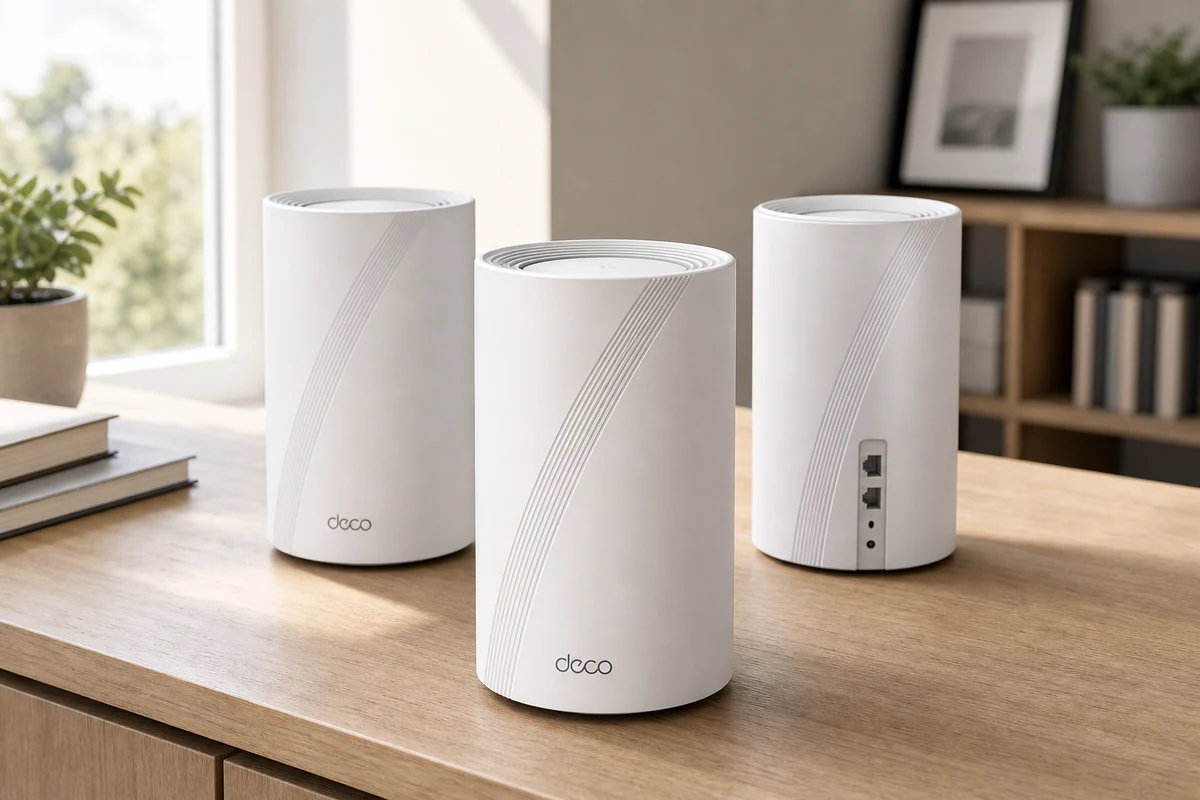
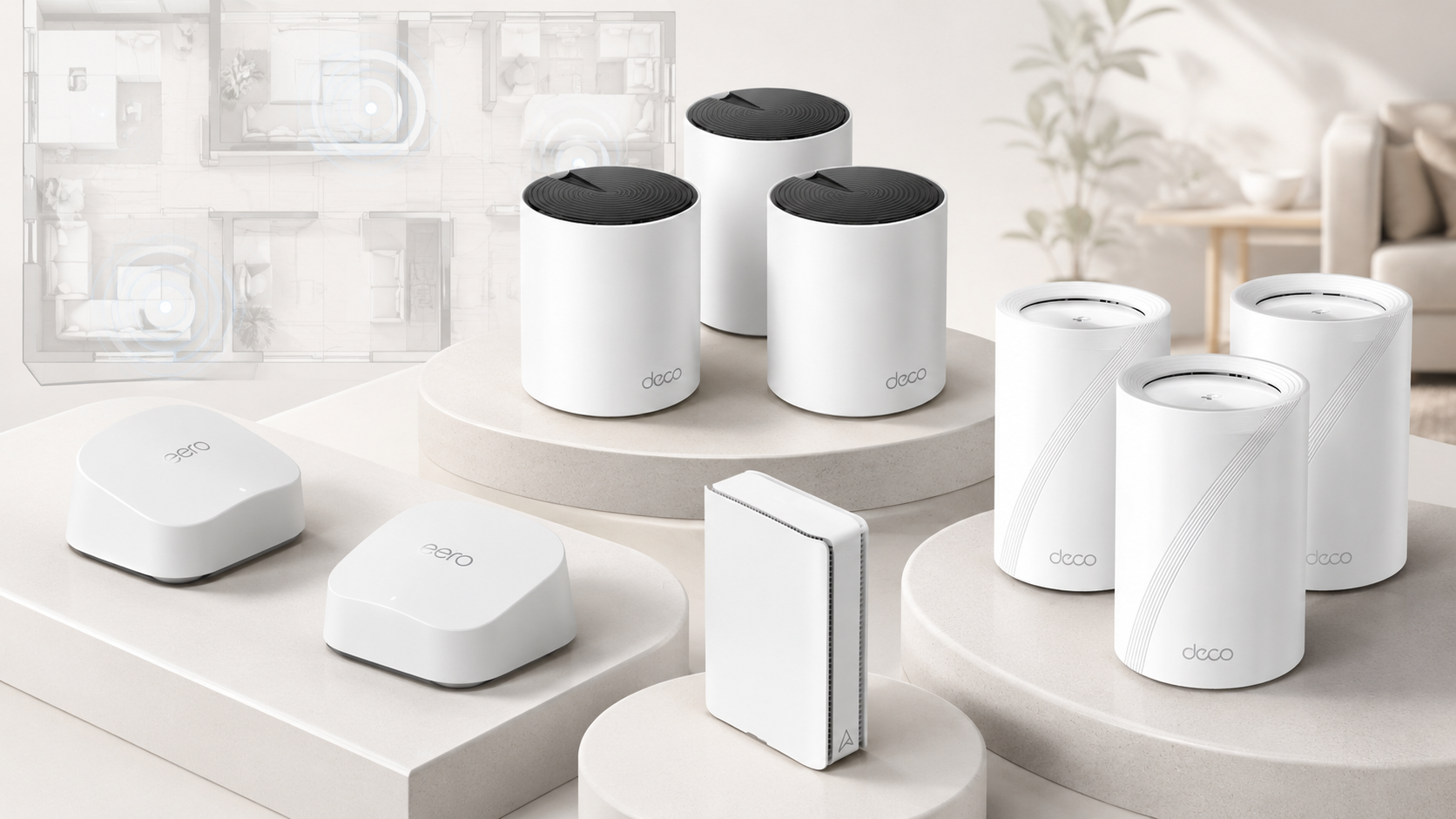
Wi-Fi 7 is finally worth buying if you're starting fresh, but most homes still run Wi-Fi 6 and 6E devices that can't touch its headline speeds — so the cheapest path to a dead-zone-free house is often a $150 Wi-Fi 6 kit, not a four-figure flagship. We rank eight systems on coverage, real-world speed, backhaul, setup, features, and value, then pull the standouts into the picks below — led by the TP-Link Deco BE63. The fastest way to a match is the quiz above, which weighs your home size, internet speed, backhaul, device load, and budget before recommending a system.
5 questions · about a minute