Bambu Lab vs Prusa: Which 3D Printer Brand Is Right for You?
Bambu optimizes for speed and convenience; Prusa for openness and repairability. Here's how the two leading 3D printer brands differ — and which fits you.
By Eran Yorkovsky · Founder, PickGrade
June 21, 2026 · Openly AI-powered
Bambu Lab vs Prusa: Which 3D Printer Brand Is Right for You?
In 2026, two philosophies dominate the serious end of consumer 3D printing. Bambu Lab optimizes for speed, convenience, and a polished out-of-box experience. Prusa optimizes for openness, repairability, and long-term control. Neither is universally "better" — they're built for different priorities.
The case for Bambu Lab
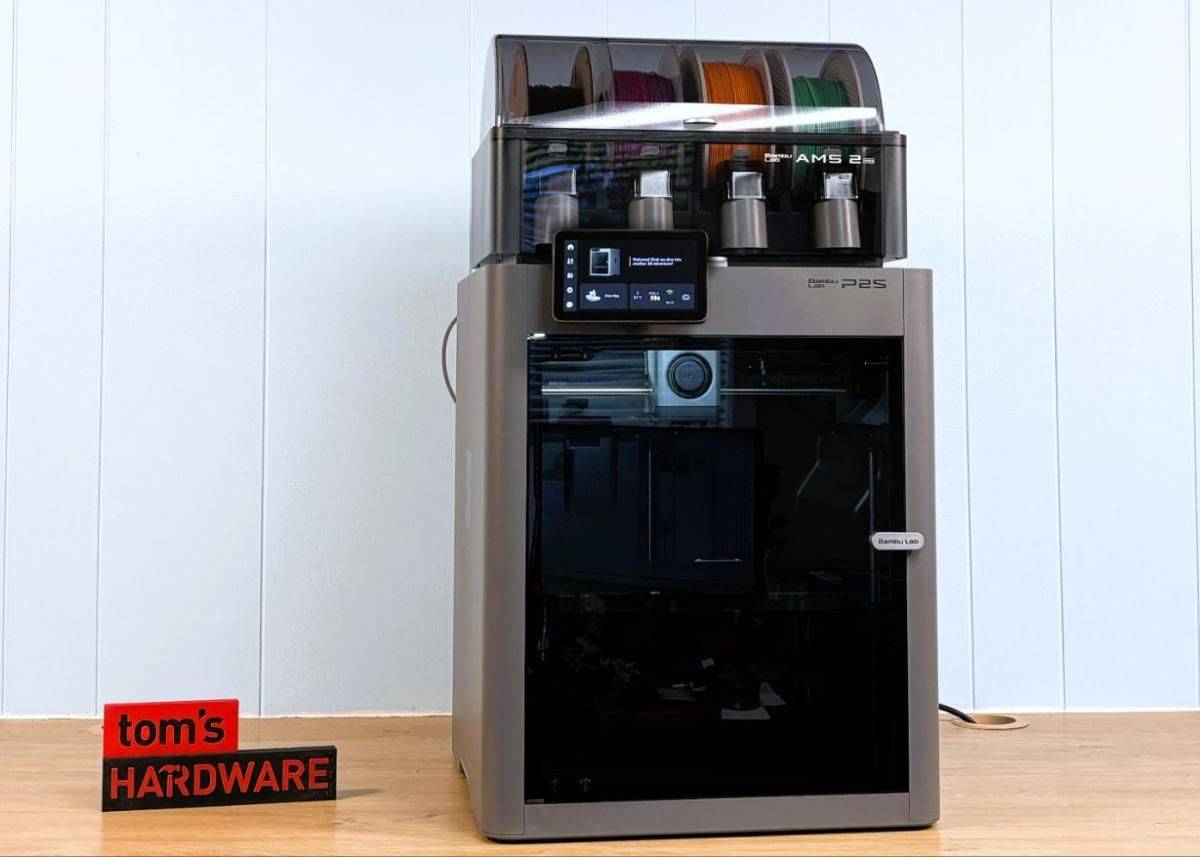
Bambu's machines are the smoothest to live with. Auto-calibration, fast CoreXY motion, the AMS multicolor system, and a mature app and model library mean you spend your time printing, not troubleshooting. The trade-off is a more closed ecosystem: some features steer you toward Bambu's own software and cloud, and the hardware is less repairable than open platforms.
If that sounds right, the Bambu Lab P2S is the do-everything all-rounder, and the A1 Mini is the easiest beginner pick.
The case for Prusa
Prusa is the choice when you want to own your machine completely. The Prusa CORE One is fully open-source, runs offline with no cloud dependency, and is built to be repaired with a screwdriver for years. It's slower than Bambu and costs more per spec, but its reliability, support, and repairability are unmatched.
How to decide
- Pick Bambu if you want the fastest path to great prints and don't mind a walled garden.
- Pick Prusa if you value open-source firmware, privacy, offline operation, and lifetime repairability.
- On a budget? A third option — the Elegoo Centauri Carbon 2 — delivers enclosed CoreXY performance with no cloud lock-in for around $400.
Our 3D printer quiz weighs exactly these trade-offs and points you to the right machine for your workflow.
More 3D printer guides
- Take the 3D Printers quiz
- Best Budget 3D Printer (2026)
- Best 3D Printer for Beginners (2026)
- FDM vs Resin 3D Printing: Which Should You Choose?
- Bambu Lab H2D
- Elegoo Saturn 4 Ultra 16K
- How to Choose a 3D Printer (2026 Buying Guide)