FDM vs Resin 3D Printing: Which Should You Choose?
FDM melts filament for versatile, functional, low-fuss prints; resin cures liquid for unmatched miniature detail. Here's how to choose — and why many makers end up with both.
By Eran Yorkovsky · Founder, PickGrade
June 21, 2026 · Openly AI-powered
FDM vs Resin 3D Printing: Which Should You Choose?
If you're buying your first 3D printer, the biggest decision isn't the brand — it's the technology. FDM and resin printers work in fundamentally different ways and are good at different things. Here's how to choose.
How they work
FDM (Fused Deposition Modeling) melts a plastic filament and lays it down layer by layer, like a hot glue gun guided by a robot. It's the most common, most versatile, and cleanest type of consumer 3D printing.
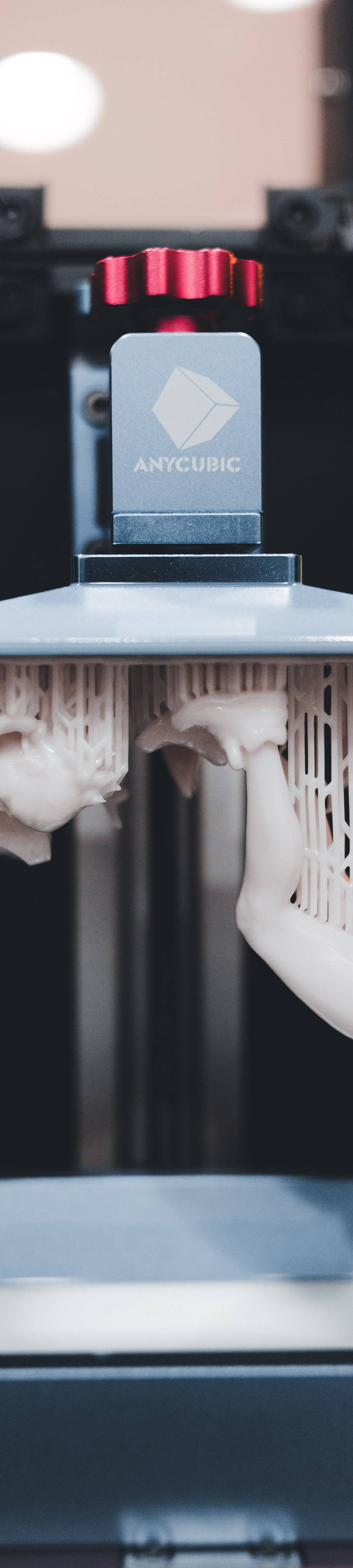
Resin (MSLA) uses a UV LCD screen to cure liquid resin one ultra-thin layer at a time. It trades convenience for resolution — the surface detail is far beyond what FDM can produce.
Choose FDM if...
- You want to print functional parts, toys, tools, brackets, or larger models.
- You value a clean, low-fuss workflow.
- You want the widest range of materials — PLA, PETG, TPU, ABS, and more.
- You're a beginner who wants the gentlest learning curve.
Our top FDM picks are the Bambu Lab A1 Mini for beginners and the Bambu Lab P2S as a do-everything all-rounder.
Choose resin if...
- You print miniatures, tabletop figures, jewelry masters, or display models.
- Surface detail matters more than anything else.
- You're willing to handle a messier workflow — gloves, ventilation, and a wash-and-cure step.
The Elegoo Saturn 4 Ultra 16K is our resin pick: 16K detail with reliability features that make resin far less intimidating for newcomers.
The honest answer: many makers end up with both
A common 2026 setup is one FDM printer for everyday and functional prints, paired with a resin machine for detailed minis. They complement each other rather than compete.
Safety and workflow notes
Resin demands more care: nitrile gloves, good ventilation, and proper disposal of uncured resin and IPA. FDM is far more forgiving — the main thing to manage is ventilation when printing ABS or ASA, which an enclosed printer handles for you.
Still not sure which side you fall on? Our 3D printer quiz asks what you want to print and points you to the right machine.
More 3D printer guides
- Take the 3D Printers quiz
- Best Budget 3D Printer (2026)
- Best 3D Printer for Beginners (2026)
- Bambu Lab vs Prusa: Which 3D Printer Brand Is Right for You?
- Elegoo Centauri Carbon 2 Combo
- Prusa CORE One
- How to Choose a 3D Printer (2026 Buying Guide)
- Bambu Lab H2D