← All guides

The buyer's guide

Dehumidifiers

Dr

Reviewed by

Dr. Yocheved Yorkovsky · Science Editor, Health, Chemistry & Environment

The pint number on the box was measured in a lab you don't live in. We rank dehumidifiers by real water removal, noise, and how hands-off the drainage is.

The dehumidifier aisle sells you a single number — pints per day — and it's the wrong one to fixate on. Since 2019 that figure is measured in a cooler lab, so today's '50-pint' is yesterday's '70-pint'; the label quietly dropped by about a third while the machines stayed the same. The decisions that actually matter are the ones the box underplays: how you'll drain it, how much noise you'll live with, and whether the room ever gets cold enough to defeat a compressor.

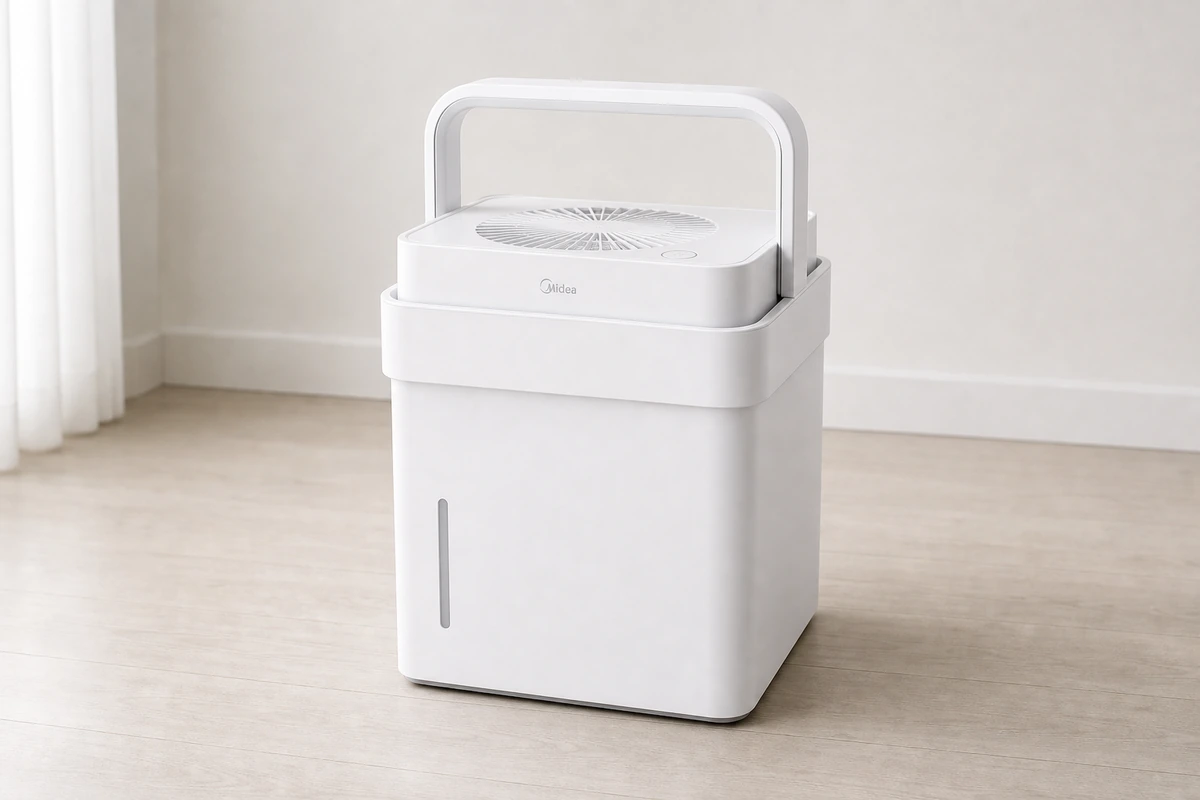
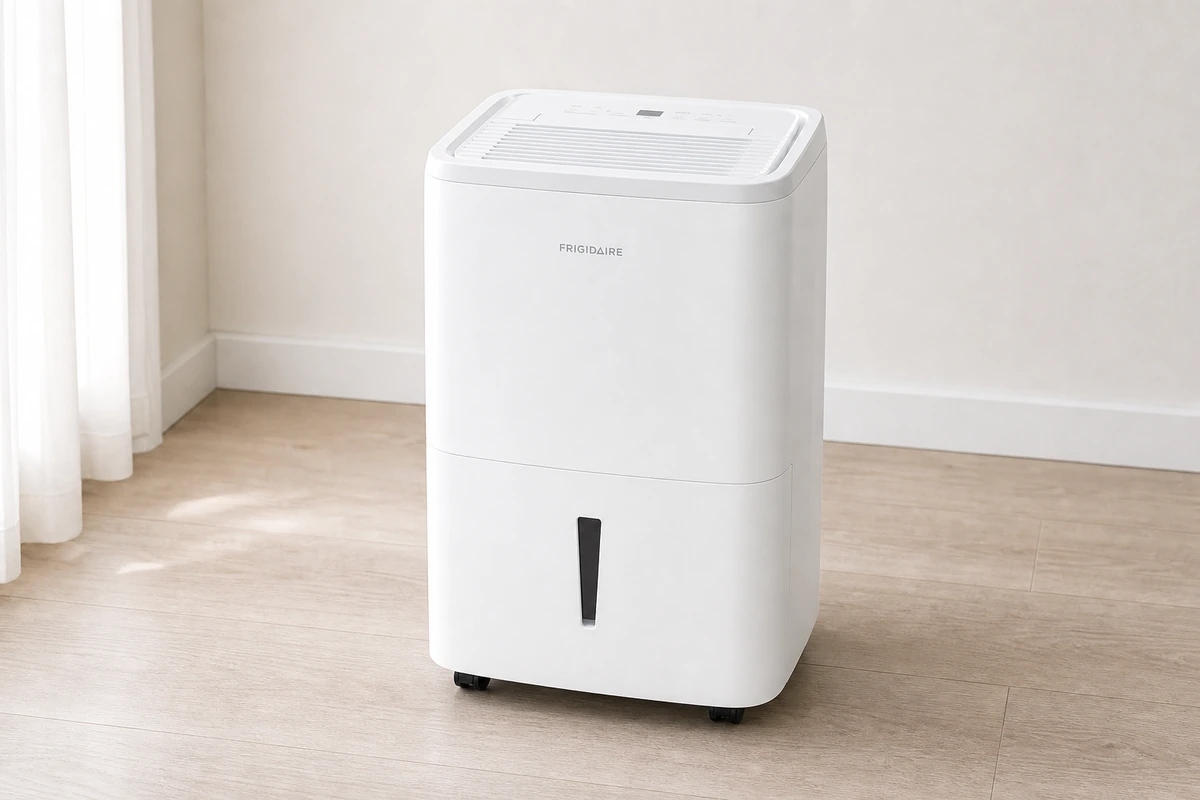
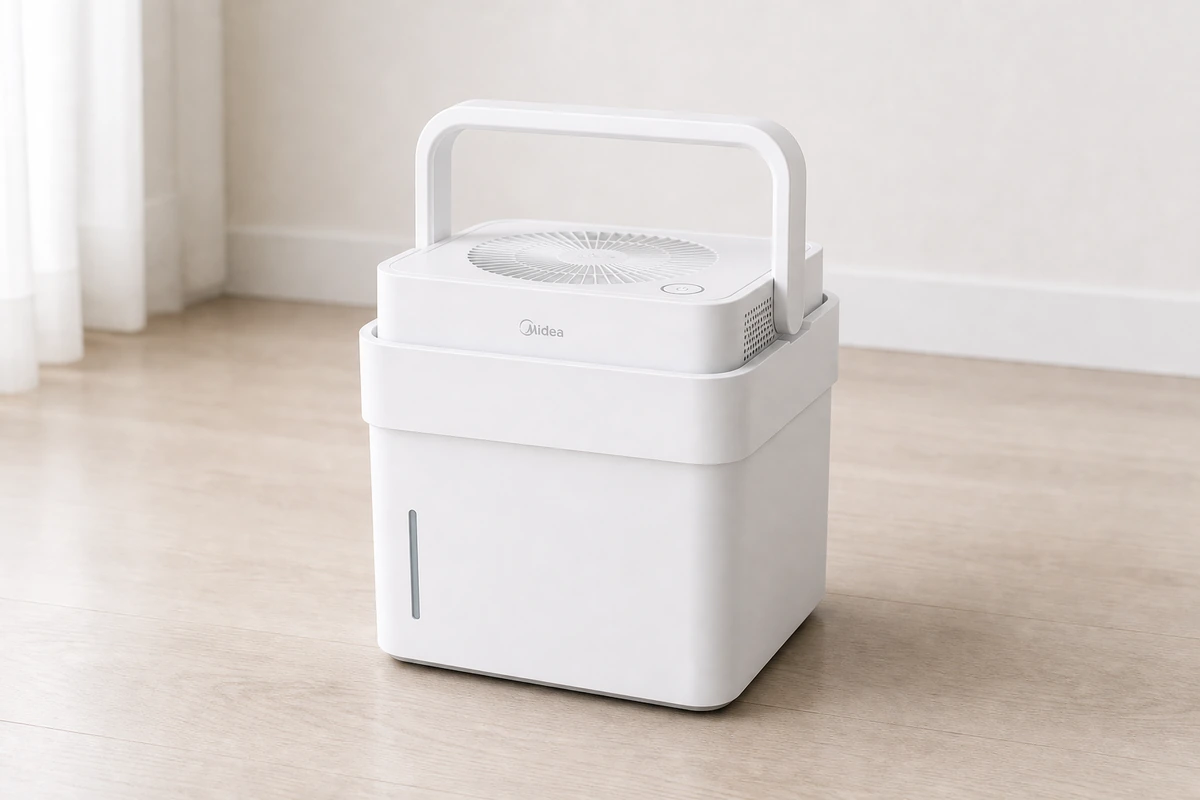
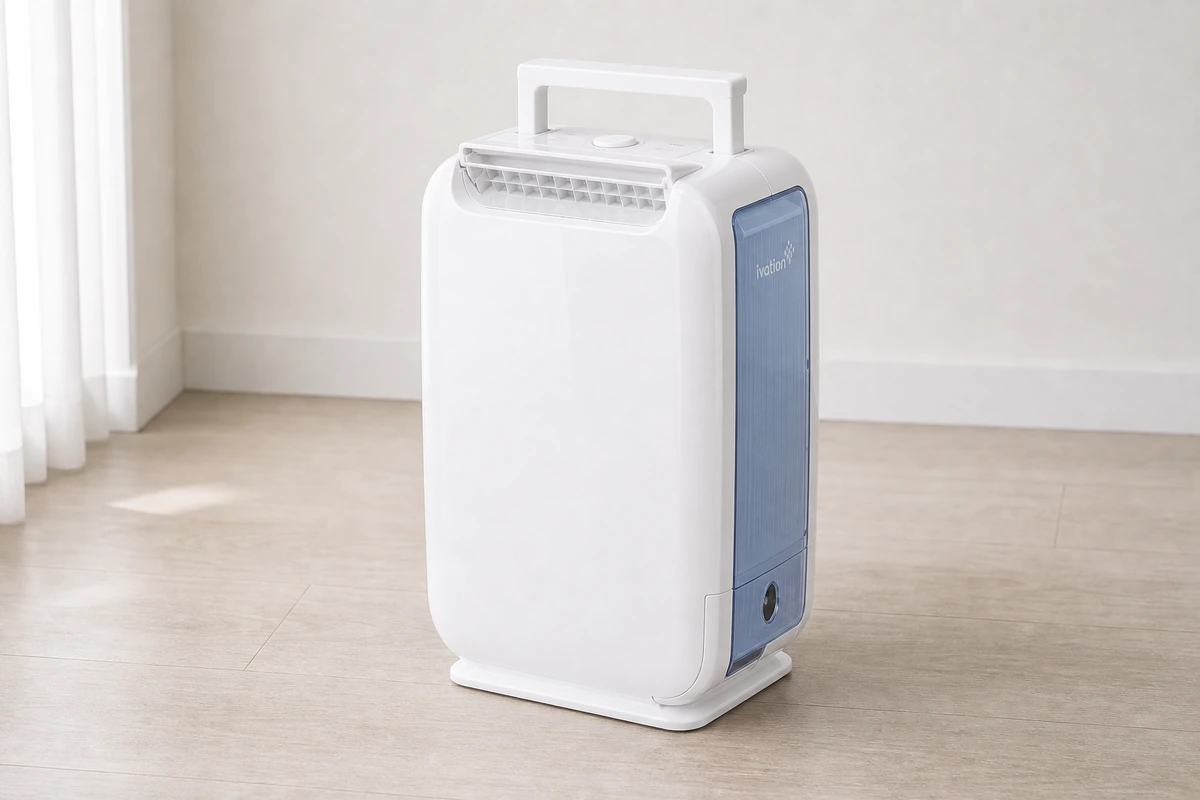
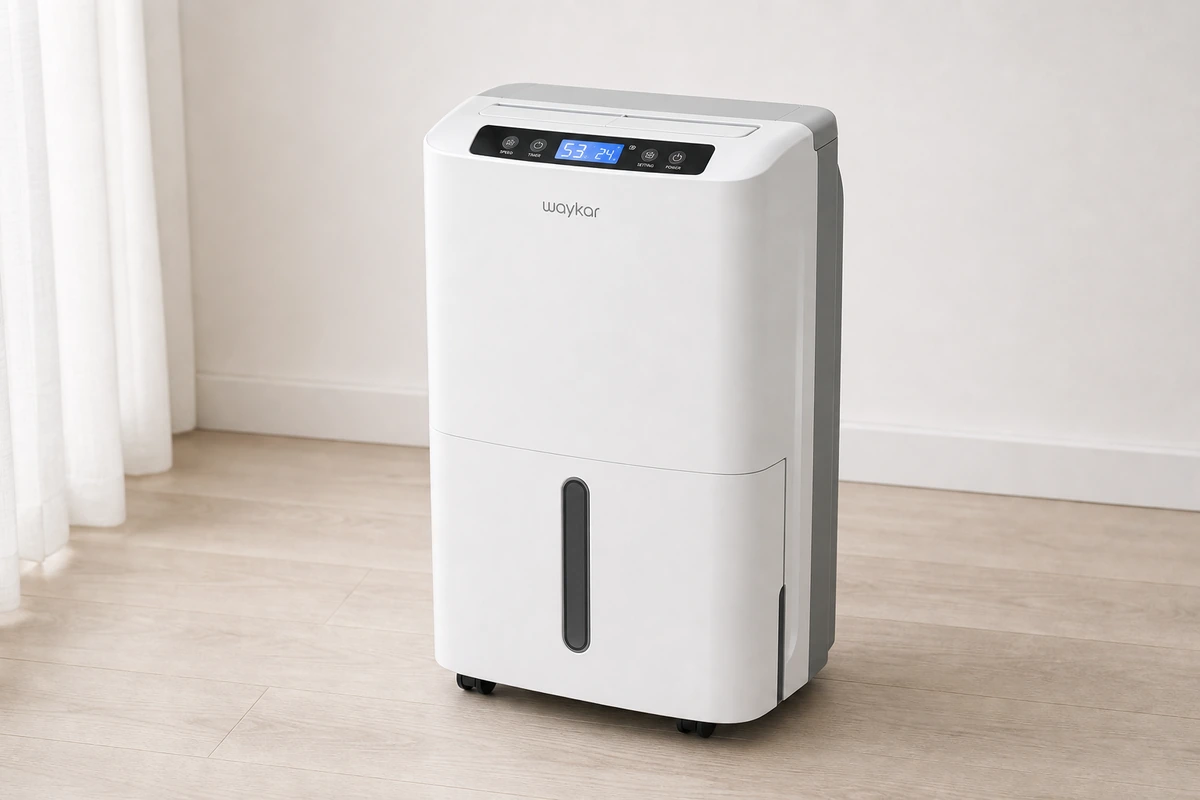
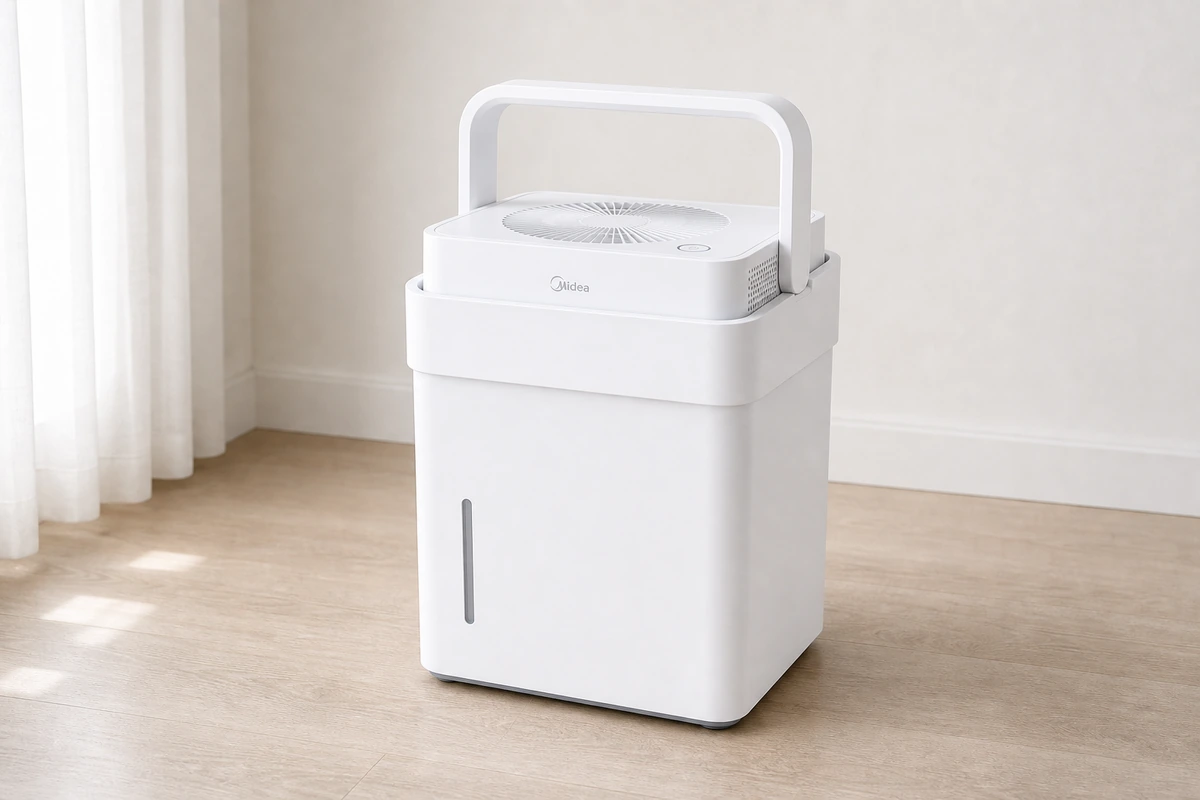
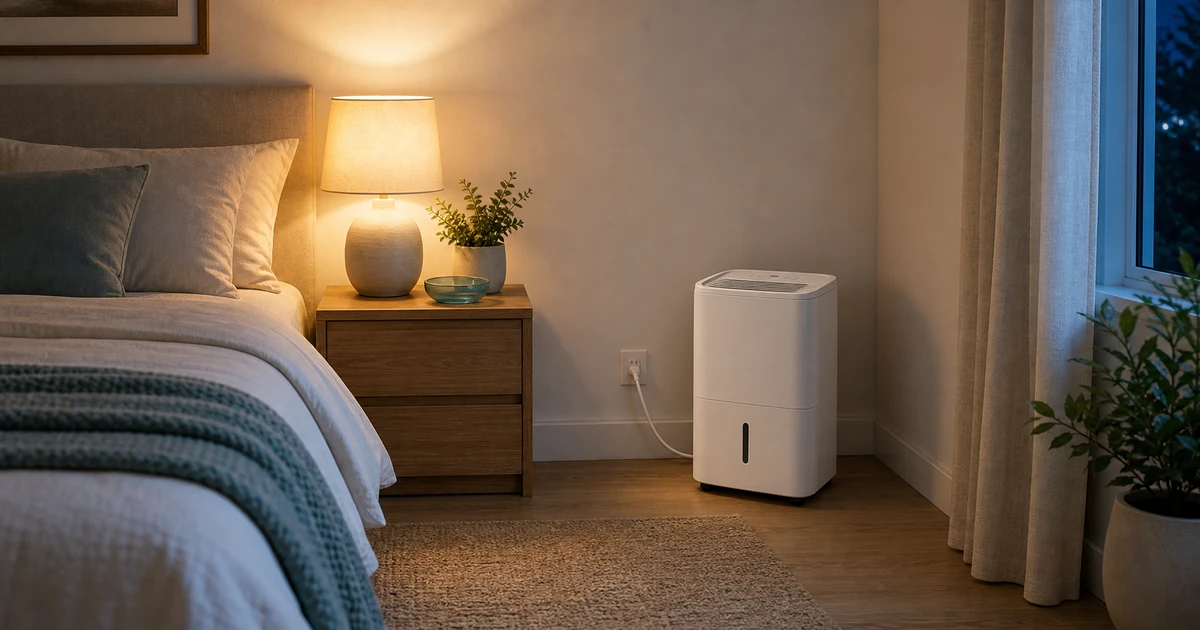
For most homes the Midea Cube 50 with pump is the default — a real pump lifts water out to a sink with no floor drain needed, and it's near-silent. If a low drain is already there, the Frigidaire FHDD5034 pulls more water for less, and we settle whether the pump is worth paying for. For a bedroom, the quiet Cube 20 is the pick. For a cold garage, a compressor is the wrong tool entirely — a desiccant keeps pulling water where they frost up and quit.

Start with how to choose one, or size your space with what size do I need. Drying somewhere specific? We have the picks for a basement, a bedroom, and a garage. Want the raw numbers: we ranked every unit by pints per dollar and by how often you'll actually empty it. In a hurry: the 60-second quiz gates by space, dampness, drainage, noise, and budget — strictly — and tells you which unit survives.

Start the questionnaire →

6 questions · about a minute
What we look for in a great dehumidifier

  • Moisture removalWeight 0.24

    How much water it actually pulls per day at the temperature and humidity a real basement sits at — not the flattering 'MAX pint' number measured at 95°F — and whether it holds that rate as the room dries out.

  • Drainage & pumpWeight 0.16

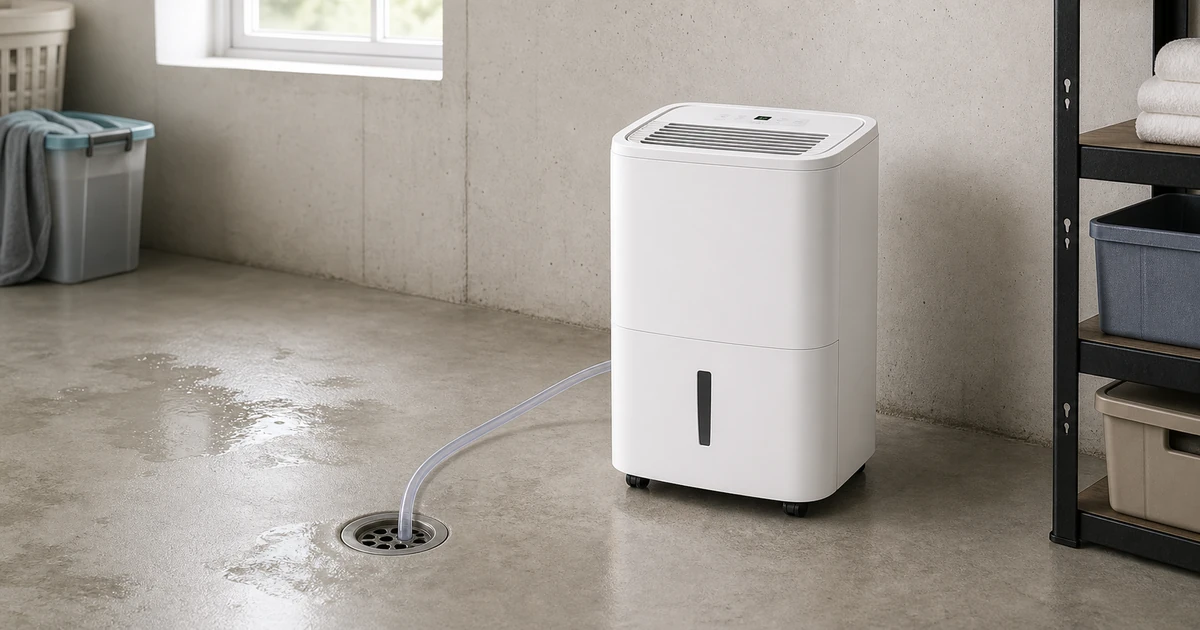
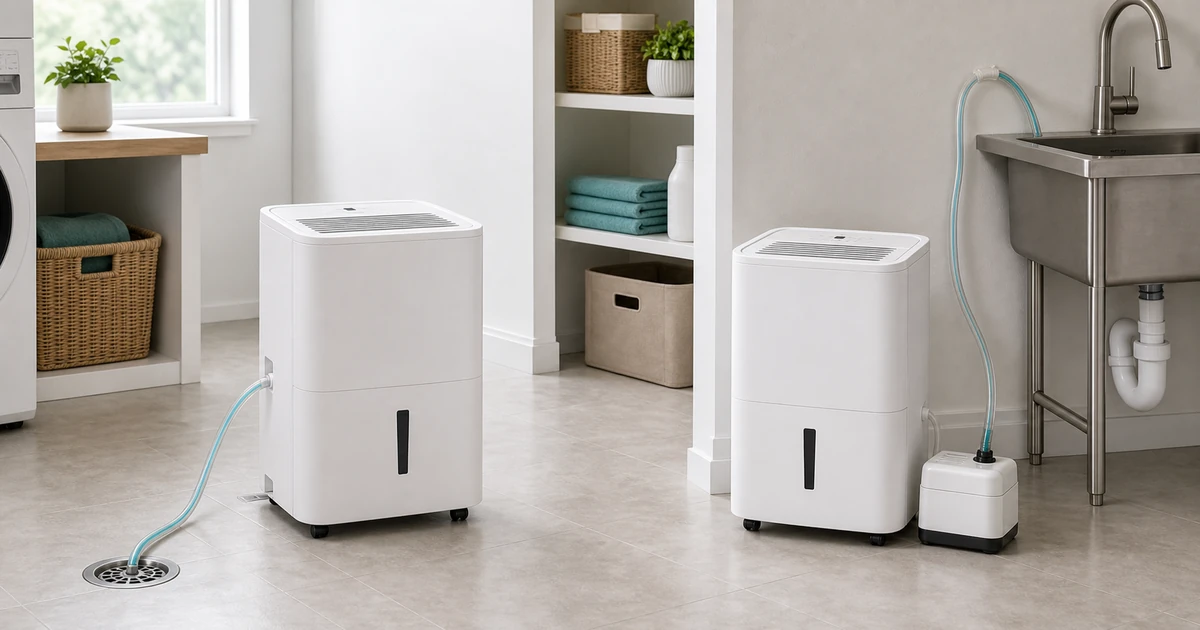
    Whether you ever touch a bucket: continuous gravity drain, a built-in pump that lifts water up and out to a sink, tank size, and a reliable auto-shutoff. The difference between set-and-forget and a daily chore.

  • QuietnessWeight 0.15

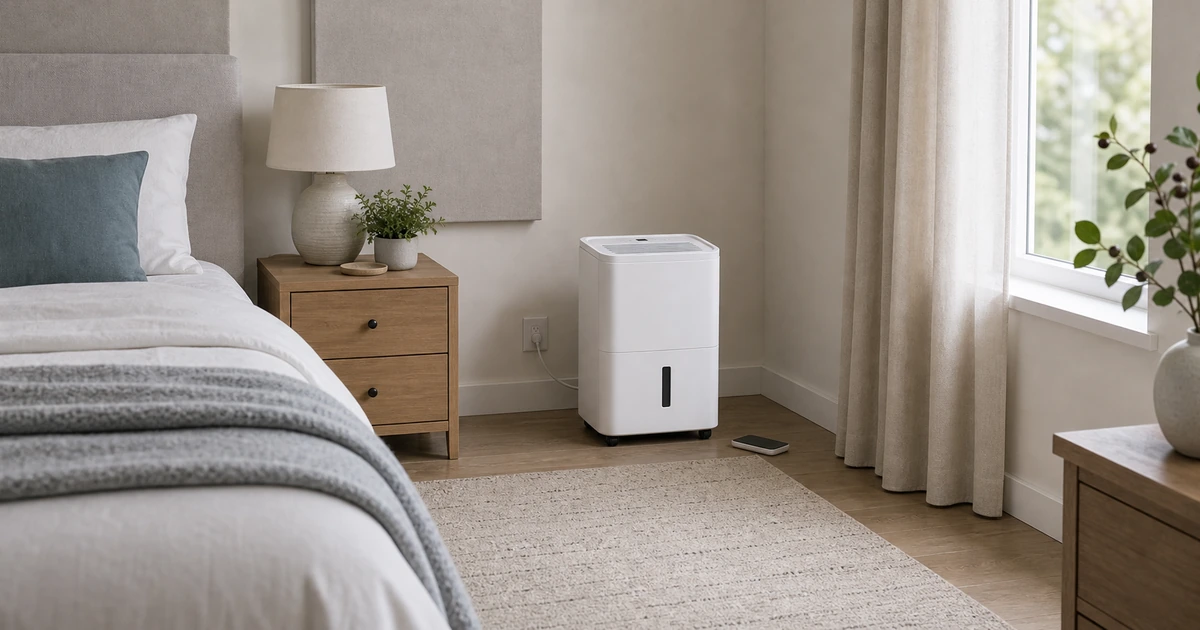
    Measured decibels, and whether it's a steady fan hum you sleep through or a compressor that clunks on and off. Matters most in a bedroom; matters not at all in a garage.

  • Energy efficiencyWeight 0.15

    Integrated Energy Factor and real wattage — because a dehumidifier that runs for months is one of the hungrier appliances in the house, and the running cost dwarfs the sticker price.

  • Low-temp performanceWeight 0.12

    Whether it keeps working as the room drops toward 40°F. Compressors frost up and lean on a defrost cycle; desiccants don't care. This is what separates a basement unit from a garage unit.

  • Usability & designWeight 0.1

    Humidistat accuracy, legible controls, casters and a handle for a 40-lb box you'll actually move, a washable filter, and a footprint that fits where the damp really is.

  • ValueWeight 0.08

    Price against real capacity, build, and running cost over the years you'll run it — not the launch MSRP. Sometimes the $176 unit is the right call; sometimes it's the false economy.

What's in our catalog

7 picks

Dehumidifiers guides

8 guides

Frequently asked questions

What size dehumidifier do I need?
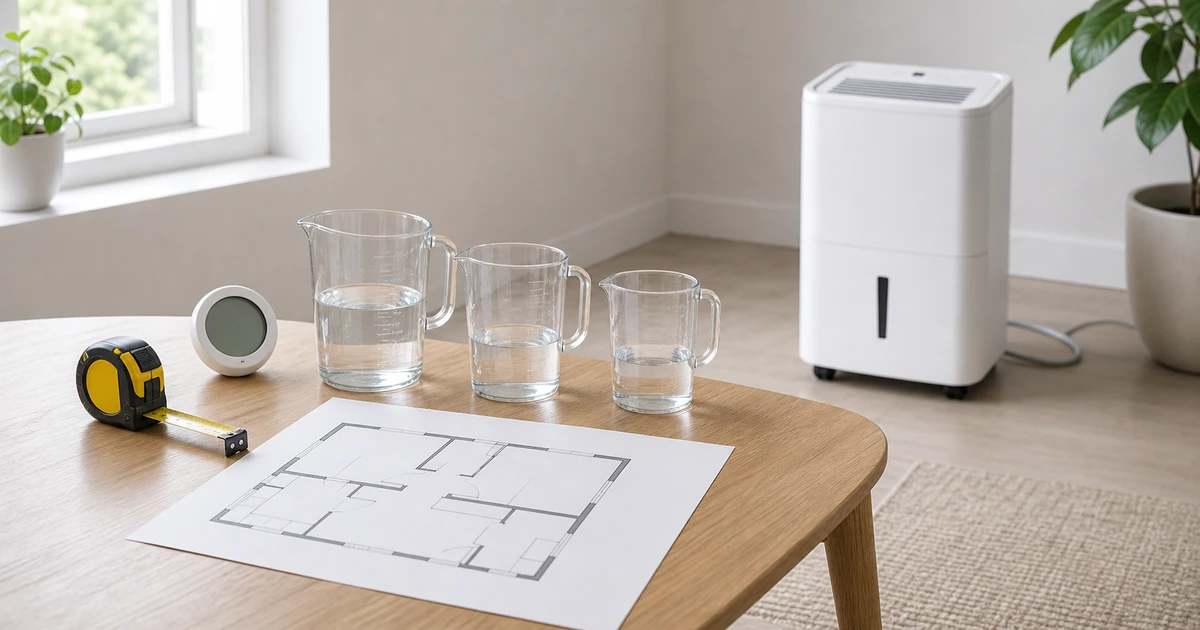
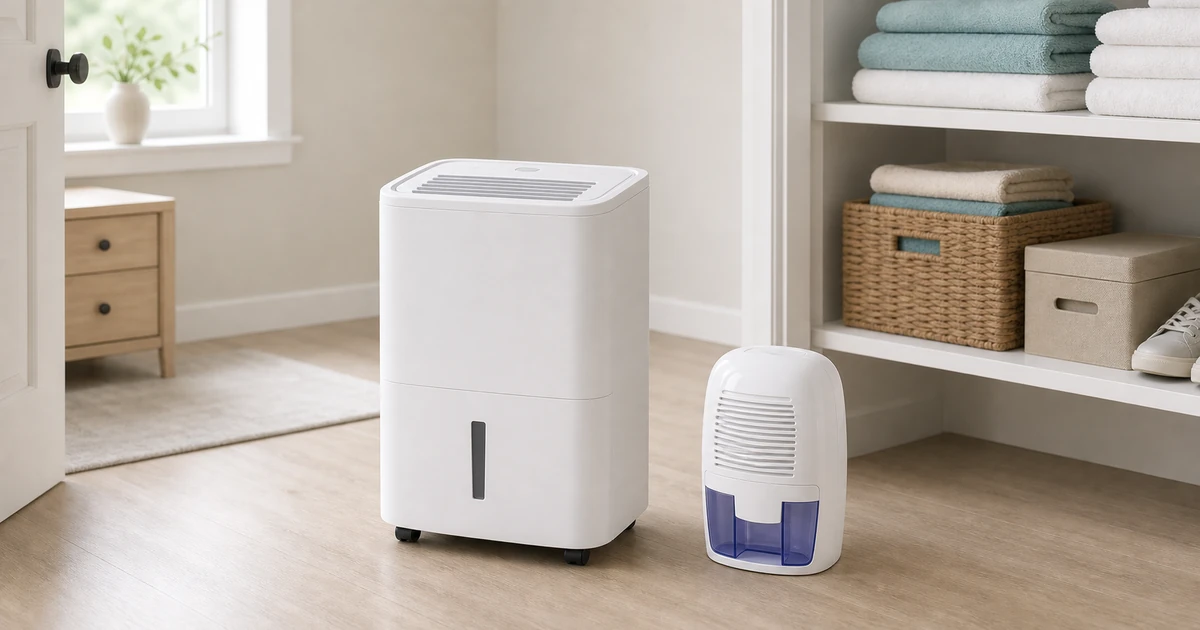
Match capacity to the space and how damp it is. A 20–35-pint suits a moderately damp room up to about 1,500 sq ft; a 50-pint is the right call for a damp basement or up to roughly 2,500 sq ft. If you're unsure, size up — an undersized unit runs constantly and never reaches your target humidity.
Do I need a dehumidifier with a pump?
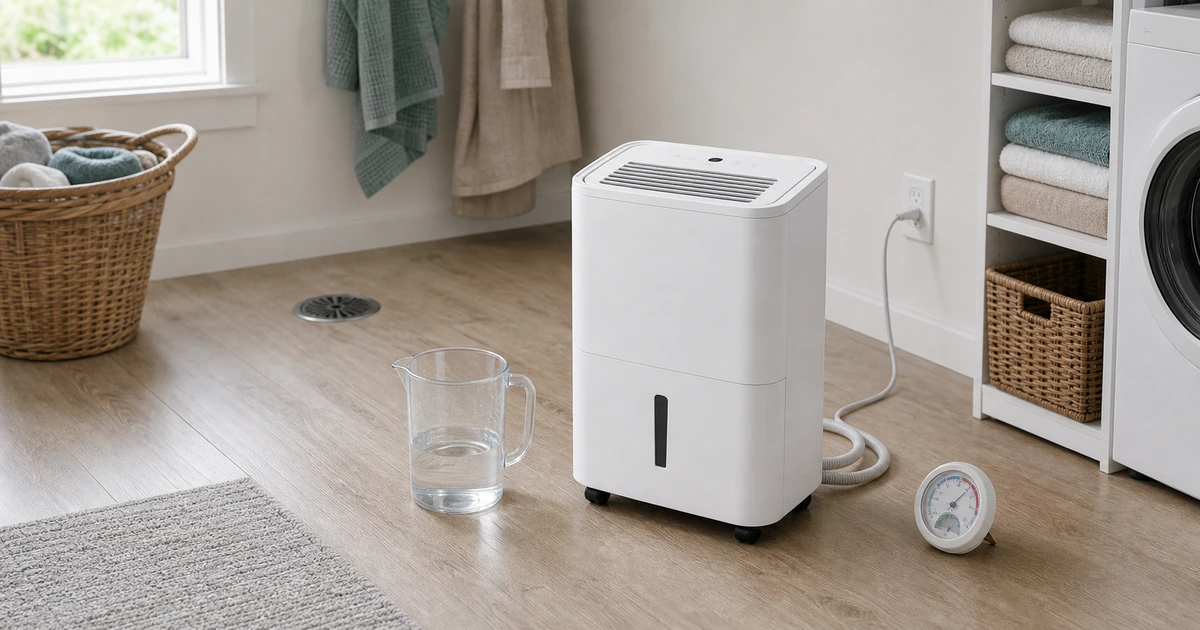
Only if you can't drain downhill. A gravity hose works when a floor drain or sink sits below the unit. A built-in pump actively lifts water up and out to a higher sink or window, which is what many basements need. Of the units we rank, only the Midea Cube 50 has a genuine built-in pump.
What humidity level should I set my dehumidifier to?
The EPA recommends keeping indoor relative humidity below 60%, and ideally between 30% and 50%. That band starves both mold and dust mites without drying the air enough to irritate your sinuses. Setting the humidistat to 45–50% and letting it cycle is the single biggest thing you can do to cut running costs.
How much does a dehumidifier cost to run?
More than most people expect — often more than a fridge. A 50-pint unit draws roughly 500 watts; running 12 hours a day at the US average electricity rate works out to about $34 a month, and around $68 if it runs continuously. Using the humidistat instead of continuous mode can cut that by half.
Will a dehumidifier work in a cold garage?
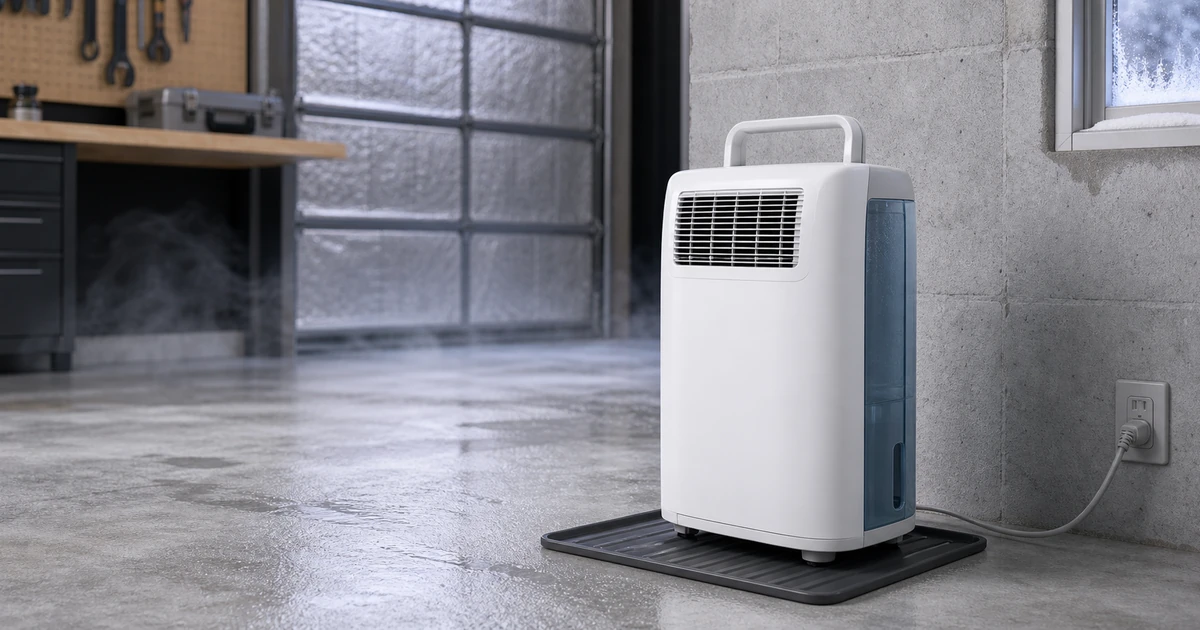
A standard compressor won't. It condenses moisture on a cold coil, and as the room drops toward 40°F that coil frosts over and the unit spends its time defrosting instead of drying. For genuinely cold spaces you need a desiccant, which absorbs moisture on a wheel and keeps working down to about 33°F.
Why is my new dehumidifier rated for fewer pints than my old one?
Because the test changed, not the machine. In 2019 the DOE moved its capacity test to a cooler 65°F condition, which lowered every rating by roughly 30%. An old 70-pint is about a new 50-pint. If you match your old unit's pint number, you'll significantly oversize.

How we grade

We score every product on the criteria that actually decide the purchase.

We research every unit against manufacturer spec sheets, the ENERGY STAR certified-product database, and independent lab testing; we normalize the marketing to comparable numbers — real capacity under the 2019 DOE standard rather than the flattering 'MAX pint' figure measured at 95°F/90% RH, and measured decibels instead of 'whisper quiet' — and score each unit on seven weighted criteria across three lenses. We have not run hands-on lab tests ourselves; rankings synthesize spec documentation and independent-review consensus, and we say so on every page. Where a manufacturer's claim is the only figure available, we label it as such.

Read the full methodology →
PickGrade

The independent grading authority for the things you buy. Research once, decide fast — no sponsored top-10 lists.

Affiliate disclosure — PickGrade participates in affiliate programs, including Amazon Associates and partnerships managed through affiliate networks. We may earn a commission from qualifying purchases at no extra cost to you. This never affects our grades. Full disclosure.

Explore

Contact

Questions, feedback, or partnership inquiries?

admin@pickgrade.com

Company

© 2026 PickGradeNo sponsored placements · Ever