← All guides

The buyer's guide

Drones

Er

Reviewed by

Eran Yorkovsky · Founder, PickGrade

Drone shopping starts with a rule, not a spec: the 250-gram line decides everything downstream.

Drone shopping starts with a rule, not a spec: the 250-gram line. Under it, many countries — including the US for recreational flyers — skip registration, which is why the best-selling drones are built grams below the limit. Above it, you're trading paperwork for bigger sensors and longer legs. Decide which side of that line you live on, and the field sorts itself.

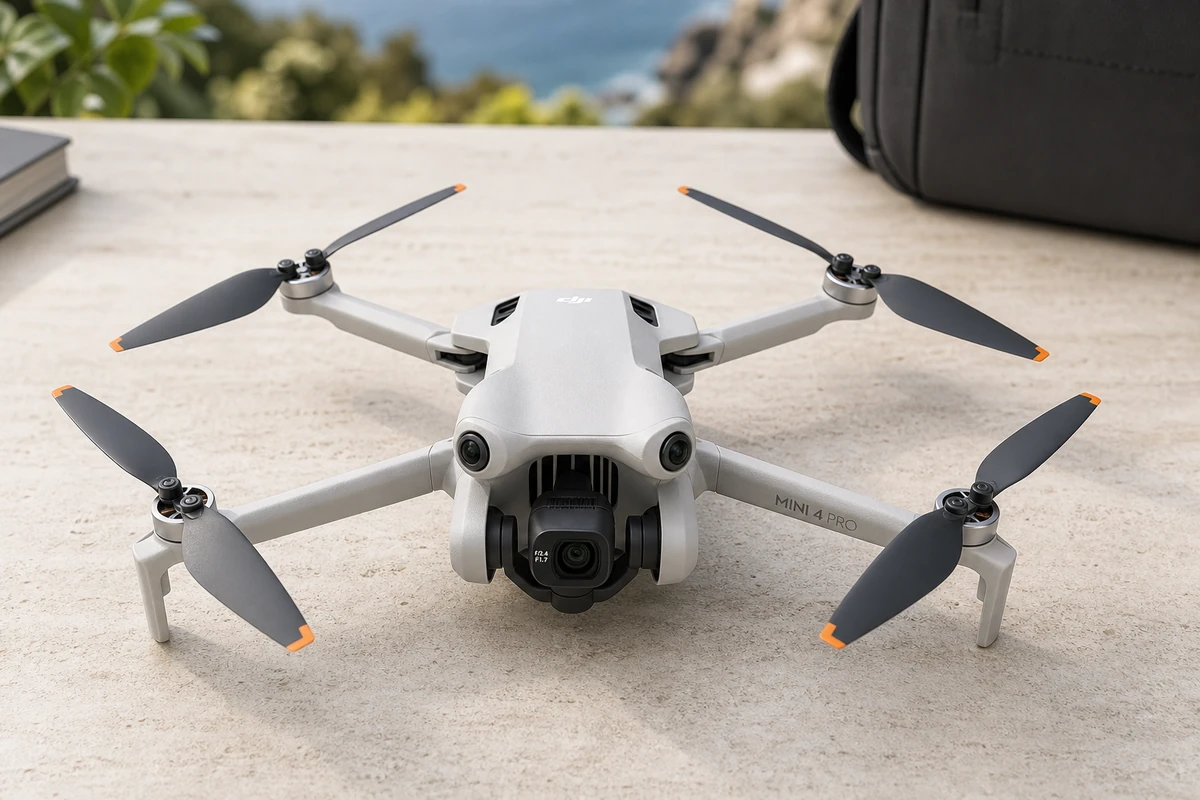
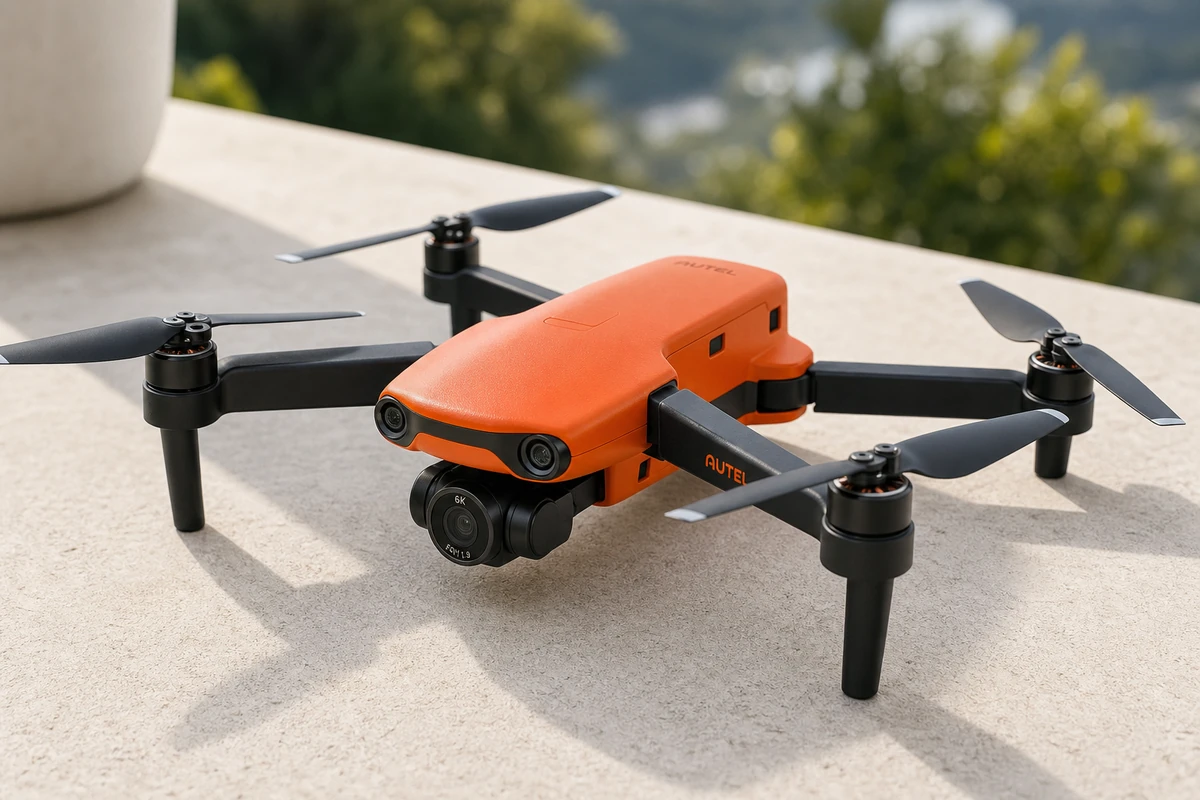
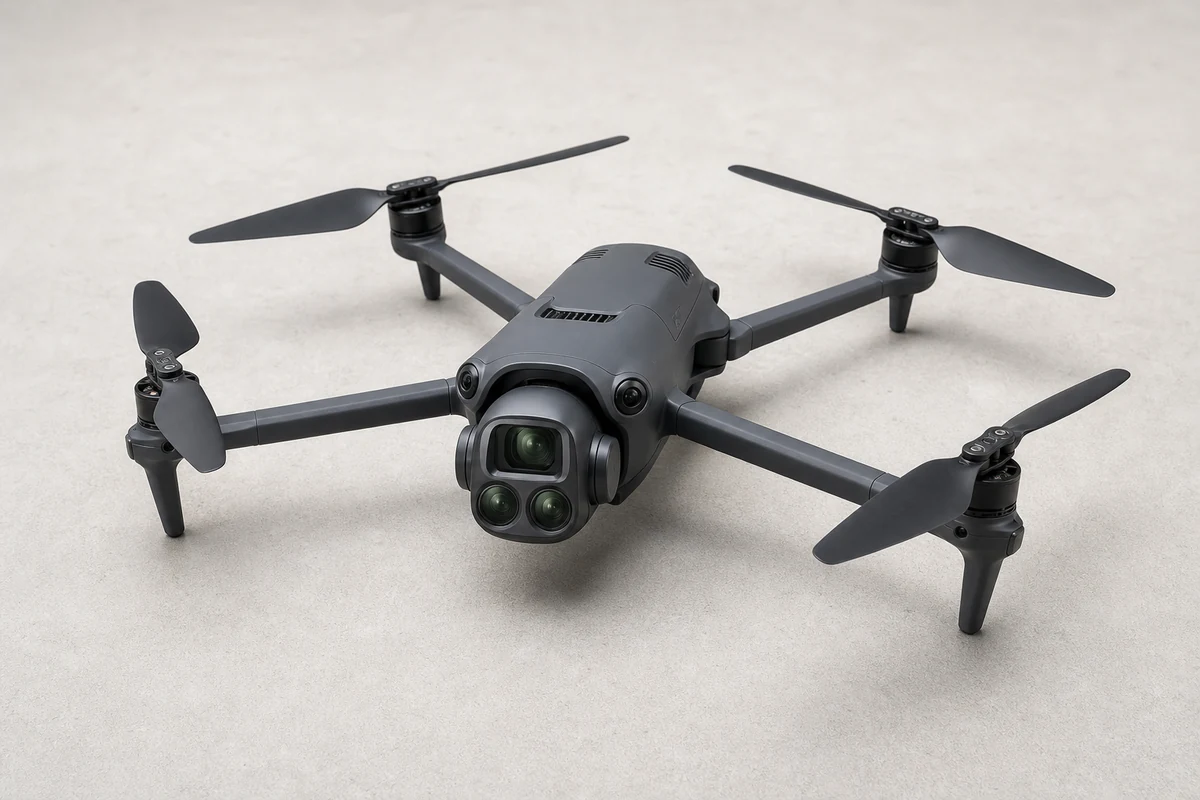
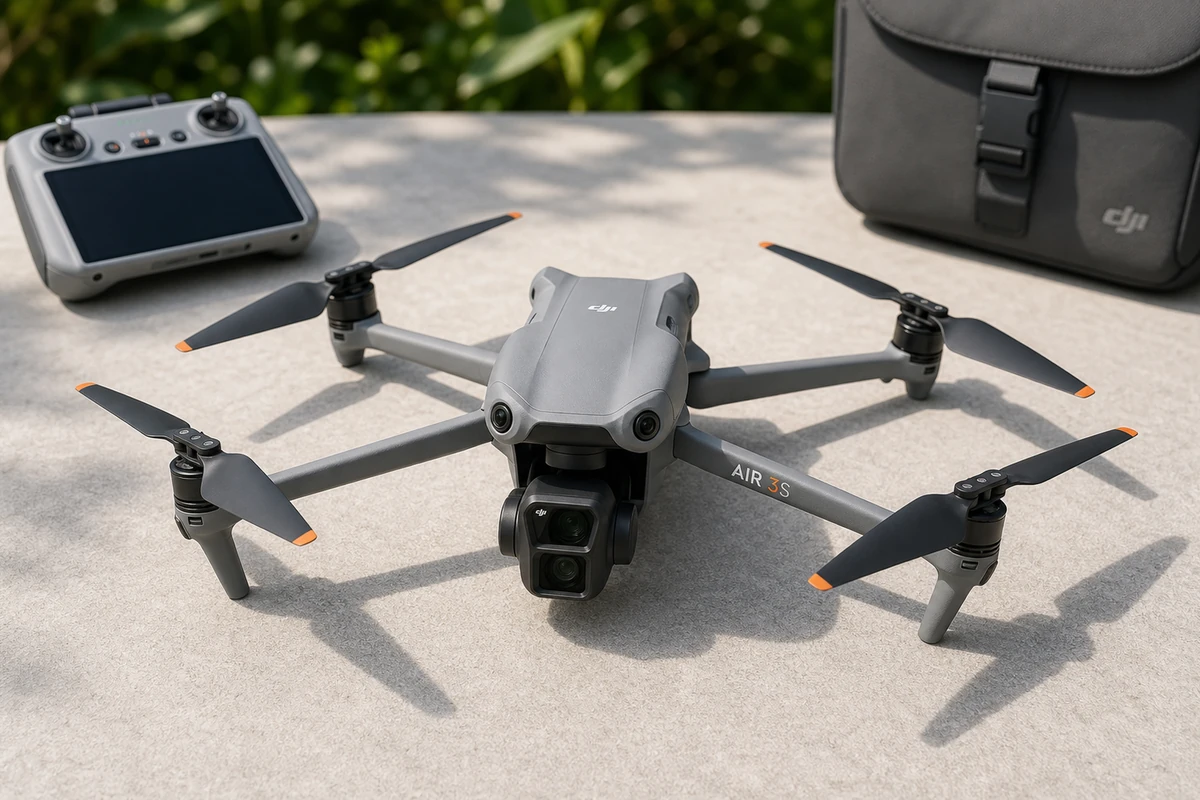
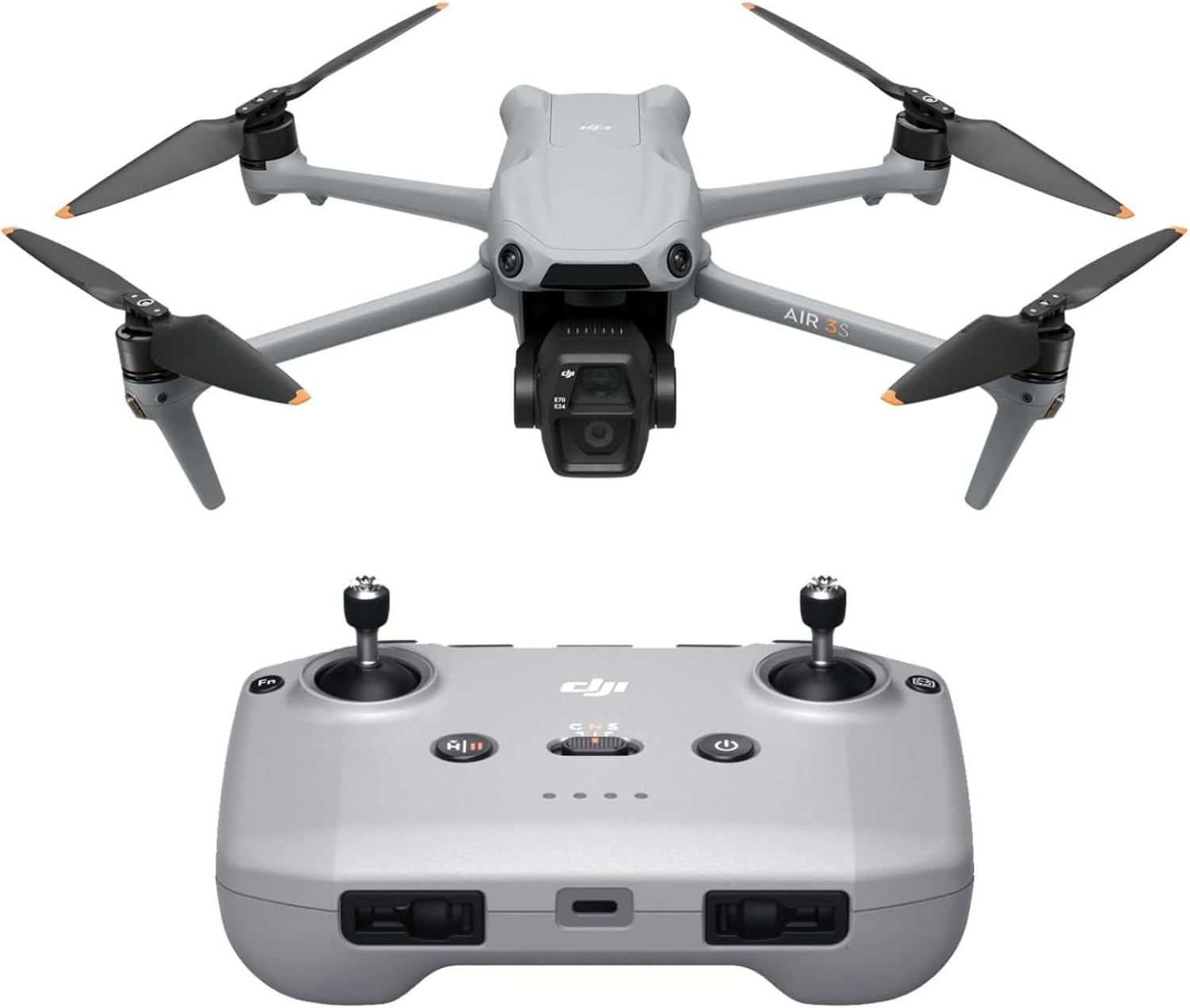
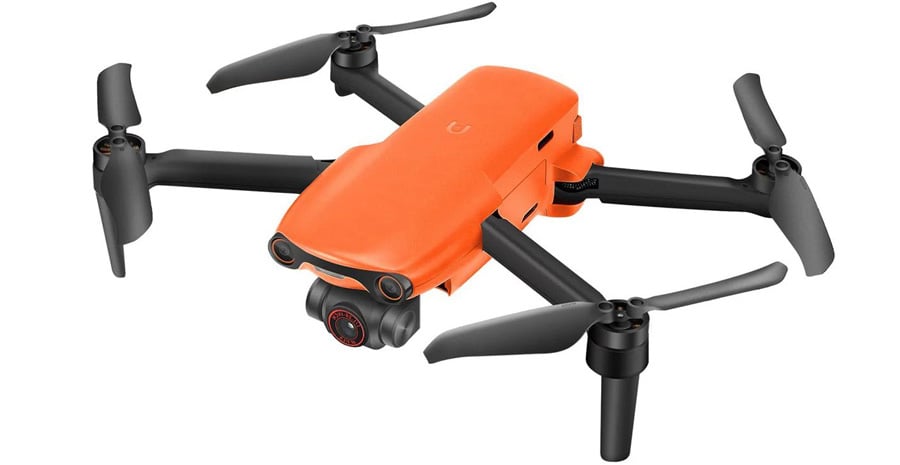
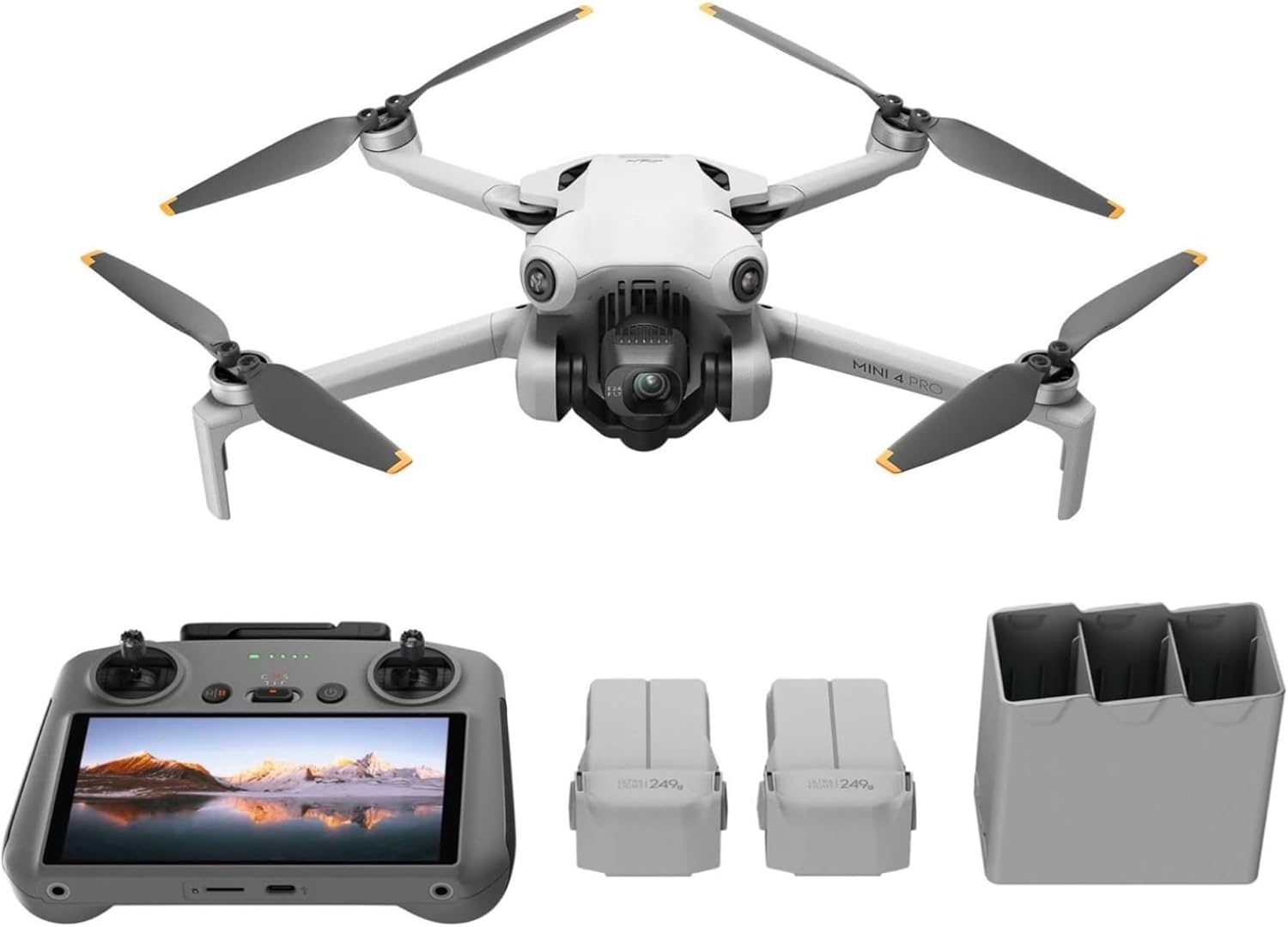
Under the line, the DJI Mini 4 Pro is the default — obstacle sensing all around, a camera that outperforms its weight, $759 — and the Autel EVO Nano+ is the deliberate non-DJI alternative for $80 less; we settle that fork in Mini 4 Pro vs EVO Nano+. Above the line, serious aerial video starts at the DJI Air 3S with its dual cameras and 1-inch sensor, and tops out at the triple-Hasselblad Mavic 4 Pro — whether the pro drone earns its doubling is exactly what we answer in Air 3S vs Mavic 4 Pro, and Mini 4 Pro vs Air 3S covers the freedom-versus-capability step in between.

Not sure where you land? Take the 60-second quiz, or jump to your situation — beginners, photography, or travel.

Start the questionnaire →

4 questions · about a minute

What we look for in a great drone

  • Camera qualityWeight 0.25

    Sensor and stabilization for the photo and video quality you actually need.

  • Flight safetyWeight 0.2

    Obstacle avoidance, return-to-home, and stability — especially for new pilots.

  • Portability and weightWeight 0.18

    Size and weight, including the sub-250g class that often gets lighter rules.

  • Flight time and rangeWeight 0.15

    Battery flight time and transmission range for real flying sessions.

  • Ease of useWeight 0.12

    How approachable it is to learn and fly well.

  • ValueWeight 0.1

    Camera and features relative to price.

What's in our catalog

4 picks

Frequently asked questions

How do I choose the best drone?
Think about where you will fly, what image quality you need, and how much weight you want to carry. Then compare flight time, stabilization, obstacle avoidance, range, and controller options.
What drone is best for beginners?
Beginners should choose a stable, easy-to-fly drone with strong safety features, reliable return-to-home, and enough camera quality to enjoy learning without immediately needing an upgrade.
Do drone rules matter when buying?
Yes. Drone weight, registration rules, remote ID, and local flight restrictions can change what is practical. A lighter drone can be easier to travel with and simpler for casual pilots.
How important is obstacle avoidance?
Obstacle avoidance is valuable for beginners, tracking shots, and wooded or urban areas. It does not replace careful flying, but it can prevent expensive mistakes.
Why do so many drones weigh just under 250 grams?
It is a popular weight class because many countries apply lighter rules to drones under 250 grams. In the US, recreational drones under 250g do not need FAA registration, though flight rules and Remote ID can still apply. This is why drones like the DJI Mini line are sized just under that limit.
Do I need a license to fly a drone?
It depends where you live and whether you fly recreationally or for work. In the US, recreational flyers must pass the free TRUST test and register drones 250g and over, while paid work generally requires the FAA Part 107 certificate. Always check your country's current rules before flying.
How long and how far can a drone fly?
Most consumer camera drones fly about 20 to 45 minutes per battery and can transmit video several kilometers, but you must keep the drone within visual line of sight in most places. Many pilots carry spare batteries to extend a session.

How we grade

We score every product on the criteria that actually decide the purchase.

PickGrade compares drones around practical fit: camera quality, flight safety features, portability and weight class, flight time and range, ease of use, and price. Drone rules vary by country and change over time — always check your local registration, Remote ID, and line-of-sight requirements before flying. We do not claim hands-on lab testing unless a page states it directly; recommendations are based on structured product research, manufacturer data, published reviews, and buyer-fit tradeoffs.

Read the full methodology →
PickGrade

The independent grading authority for the things you buy. Research once, decide fast — no sponsored top-10 lists.

Affiliate disclosure — PickGrade participates in affiliate programs, including Amazon Associates and partnerships managed through affiliate networks. We may earn a commission from qualifying purchases at no extra cost to you. This never affects our grades. Full disclosure.

Explore

Contact

Questions, feedback, or partnership inquiries?

admin@pickgrade.com

Company

© 2026 PickGradeNo sponsored placements · Ever