Buying guide
Best Drone for Aerial Photography and Video
Reviewed by
Eran Yorkovsky · Founder, PickGrade
A camera drone is judged by its footage: sensor size, stabilization, and wind behavior decide more than any spec-sheet number. Here's how to pick by what you shoot.
 Find your camera drone →
Best Drone for Aerial Photography and Video
For aerial photography, the drone is a flying camera — so sensor quality, stabilization, and how the aircraft behaves in wind matter more than top speed or flashy flight modes. The right pick depends on whether you're shooting for memories, for an audience, or for clients.
Quick answer
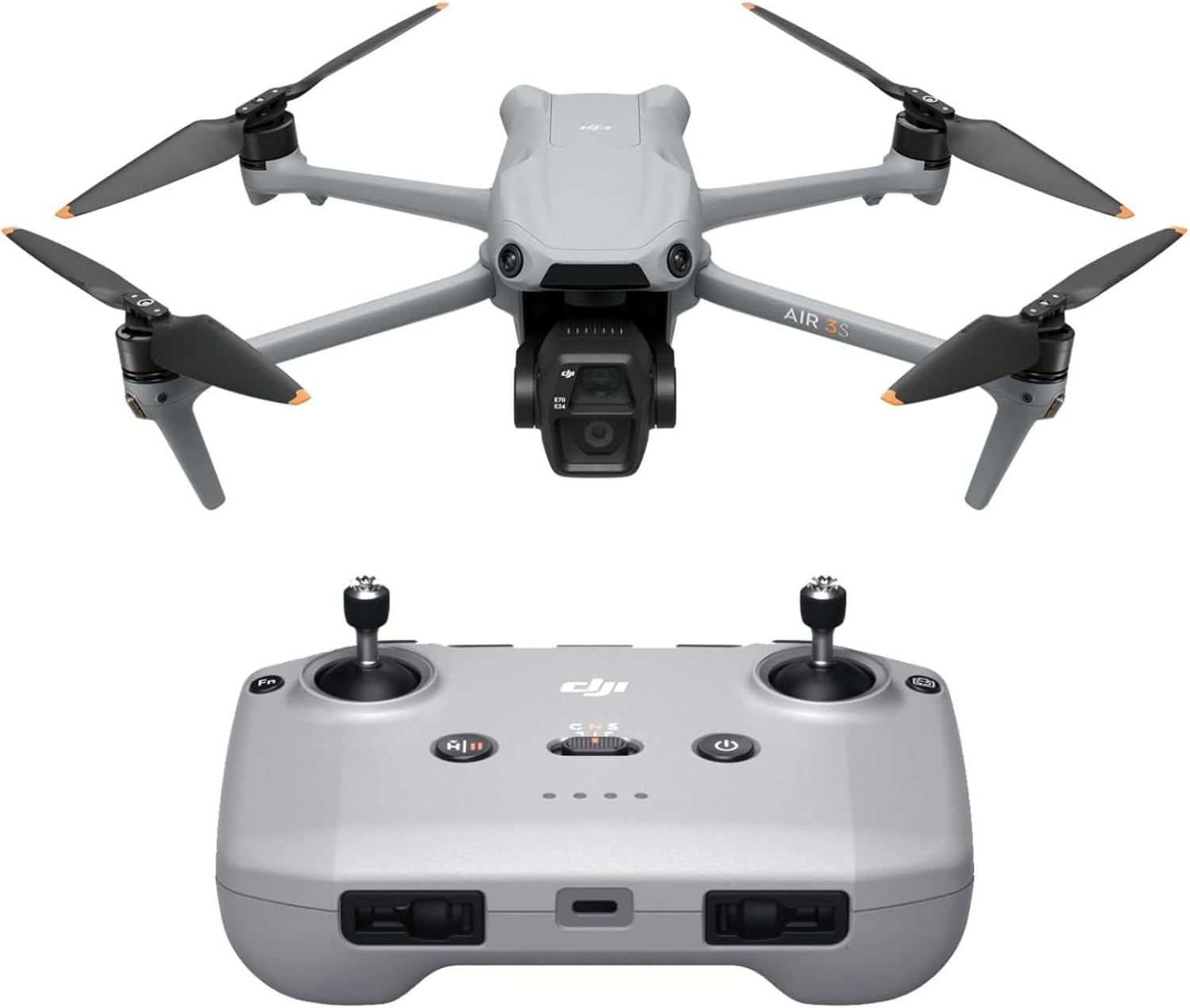
For creators who want noticeably better footage than a starter drone, the DJI Air 3S is the sweet spot: dual cameras give framing flexibility, the larger main sensor improves low-light and dynamic range, and it holds steady in wind that would push a lighter drone around. For professional and client work, the DJI Mavic 4 Pro is the ceiling pick — top-tier image quality that's overkill for hobbyists and exactly right when footage pays.
Don't dismiss the DJI Mini 4 Pro, though: for social content, travel films, and daylight shooting, its footage is genuinely strong, and its portability means you'll have it when the shot appears. The Autel EVO Nano+ plays the same role outside the DJI ecosystem.
Match the drone to the work
| You shoot | Pick | Why |
|---|---|---|
| Social clips, travel films, daylight | DJI Mini 4 Pro | Strong footage, always with you, friendly rules |
| YouTube, real estate, serious hobby | DJI Air 3S | Bigger sensor, dual focal lengths, wind confidence |
| Client work, commercial projects | DJI Mavic 4 Pro | Best image quality, pro flight features |
| Non-DJI preference | Autel EVO Nano+ | Compact with a capable camera |
What separates good aerial footage from spec sheets
Sensor size beats megapixels. A larger sensor handles sunrise, sunset, and shadow detail better — and golden hour is when aerial footage looks best. Wind stability is image quality. A drone fighting gusts produces footage that no stabilization fully rescues; heavier drones with strong gimbals win in coastal and mountain conditions. Dual focal lengths change composition. A medium-telephoto option (as on the Air 3S) compresses landscapes and isolates subjects in ways a single wide lens can't.
The honest budget note
Footage quality steps up meaningfully at each tier, but so does cost — and the best camera drone you can't comfortably risk flying low over water is worth less than a cheaper one you'll fly confidently. Buy the tier whose loss you could absorb, then learn to fly it well; pilot skill moves footage quality more than the next sensor size up.
Commercial work has extra rules
If you're being paid for footage, many regions require an operator certification beyond hobby rules. Check your aviation authority's commercial requirements before taking client work.
How Pickgrade helps
Take the drone quiz and answer based on what you actually shoot. Browse the drones hub, read the full drone buying guide, or — if this is your first drone — start with the beginner guide instead.
Related drone guides
Still choosing?
Still choosing?
Frequently asked
What is the best drone for video?
For most creators, the DJI Air 3S — its larger sensor and dual cameras meaningfully improve footage over starter drones without professional pricing. The Mavic 4 Pro is the step up when footage is your income.
Is a small drone good enough for photography?
Yes, for daylight and social content — the Mini 4 Pro shoots footage strong enough for travel films and YouTube. Larger sensors mainly win in low light, high contrast, and wind.
What specs matter for aerial photography?
Sensor size, gimbal stabilization, and wind stability matter most. Megapixels and top speed matter far less than marketing suggests.
Do I need a license for commercial drone photography?
In many regions, yes — paid drone work typically requires an operator certification beyond hobby rules. Check your local aviation authority before accepting client projects.