Buying guide
Best Drone for Beginners: Start Light, Crash Less
Reviewed by
Eran Yorkovsky · Founder, PickGrade
A beginner drone should be forgiving: light enough for friendly rules, smart enough to stop crashes, and cheap enough that a mistake doesn't end the hobby.
 Find your first drone →
Best Drone for Beginners
The best beginner drone is the one that protects you from beginner mistakes. That means reliable GPS hovering, obstacle sensing, automatic return-to-home, and a size that keeps you in the friendliest regulatory category — not the biggest camera or the longest spec sheet.
Quick answer
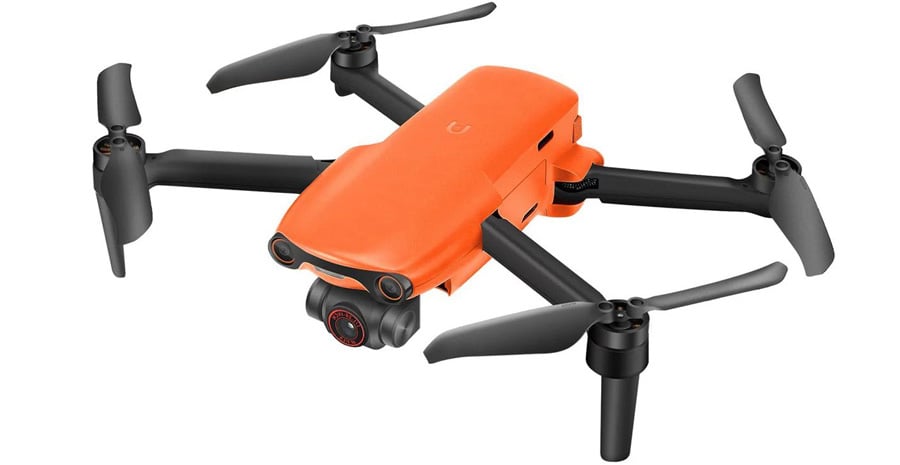
For most first-time pilots, the DJI Mini 4 Pro is the clear starting point. It's light enough to sit in the most relaxed rules category in many regions, its obstacle sensing covers the classic beginner crashes, and the camera is good enough that you won't outgrow it quickly. If you'd prefer to start outside the DJI ecosystem, the Autel EVO Nano+ is the compact alternative with a strong camera.
Skip the temptation to "buy once" with a bigger drone like the DJI Air 3S or Mavic 4 Pro as your first aircraft. Heavier drones face stricter rules, cost more to crash, and their advantages only matter once you can fly confidently.
What actually matters for a first drone
| Priority | Why it matters | What to look for |
|---|---|---|
| Weight class | Lighter drones face friendlier rules in many regions | Sub-250g designs like the Mini series |
| Obstacle sensing | Catches the mistakes every new pilot makes | Multi-directional sensors |
| Return-to-home | Saves the drone when you lose orientation or signal | GPS RTH that triggers automatically on low battery |
| Flight time | Short batteries make practice frustrating | Real-world 20+ minutes, plus a spare battery |
| Crash cost | You will bump something eventually | A price you can accept risking while learning |
Before your first flight
Check your local aviation authority's rules — registration and flying restrictions vary by region and by drone weight, and fines are real. Practice in a wide open area away from people, buildings, and trees. And budget for at least one spare battery: real flight times run shorter than spec sheets, and one battery makes for a frustrating session.
When to step up
Move up to the DJI Air 3S once video quality becomes the reason you fly — its dual cameras and stronger wind performance reward a pilot who already has the basics. The Mavic 4 Pro is for professional work, not learning.
How Pickgrade helps
Take the drone quiz and answer honestly about experience, budget, and what you want from the footage. It separates true beginner picks from drones you'd grow into later. For the full comparison, see our drone buying guide or browse all drones.
Related drone guides
Still choosing?
Still choosing?
Frequently asked
What is the best drone for a complete beginner?
For most people, a lightweight sub-250g drone with obstacle sensing and return-to-home, like the DJI Mini 4 Pro. It is forgiving to learn on, faces friendlier rules in many regions, and the camera stays good enough as your skills grow.
Do I need to register a beginner drone?
It depends on your region and the drone's weight. Many regions have relaxed requirements for sub-250g drones, but rules change — check your local aviation authority before flying.
Are cheap toy drones good for learning?
Usually not for photography. Very cheap toy drones lack GPS stabilization and obstacle sensing, which makes them harder to fly and produces shaky footage — the opposite of beginner-friendly.
Do I need spare batteries?
Yes, one spare at minimum. Real flight times run shorter than advertised, and ending every session after one battery makes practice slow.