← All guides

The buyer's guide

Mechanical Keyboards

Er

Reviewed by

Eran Yorkovsky · Founder, PickGrade

The switch is the decision everyone obsesses over and the one that matters least — it's the easiest thing to change later.

Most people shop for a mechanical keyboard by agonizing over switch type, which is backwards — on a hot-swap board the switch is the one thing you can change in an afternoon. What actually shapes a keyboard you'll love is the order the enthusiasts use: the job first (typing, competitive gaming, or a quiet office), then the layout and size, then the feel, and only then the switch. We walk through that order in how to choose a mechanical keyboard.

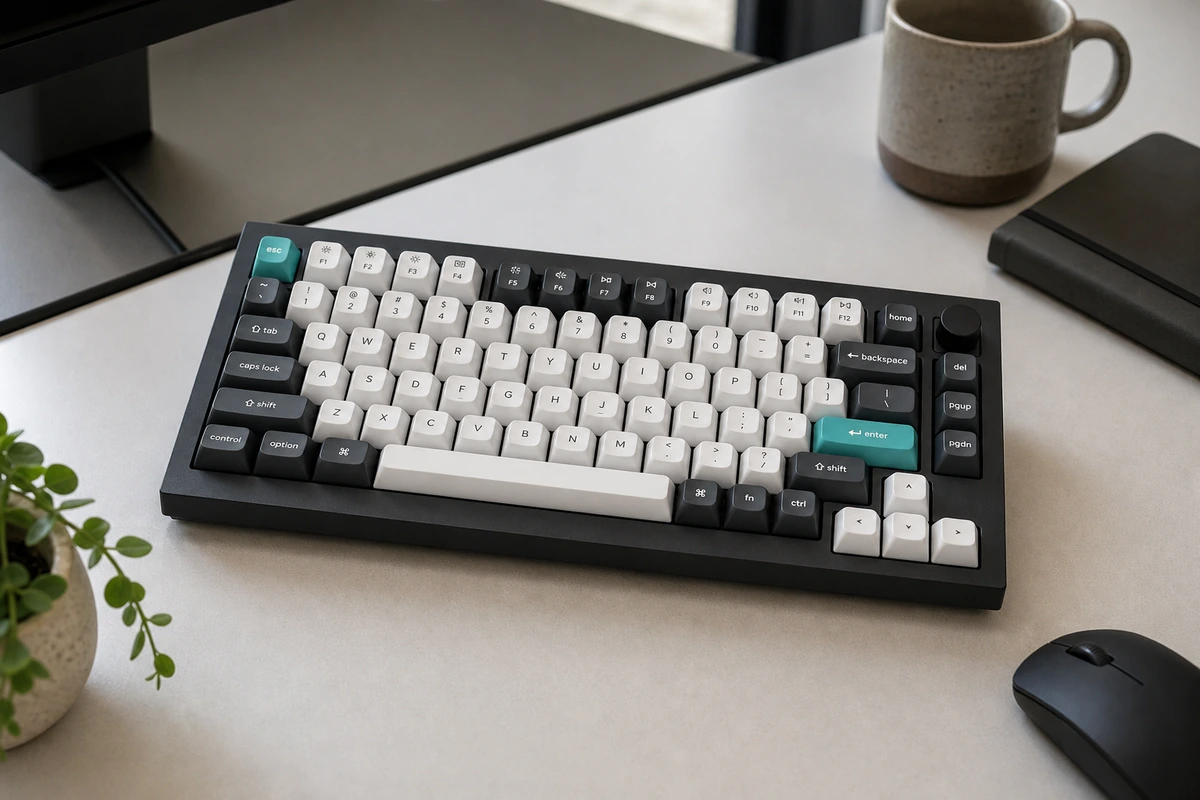
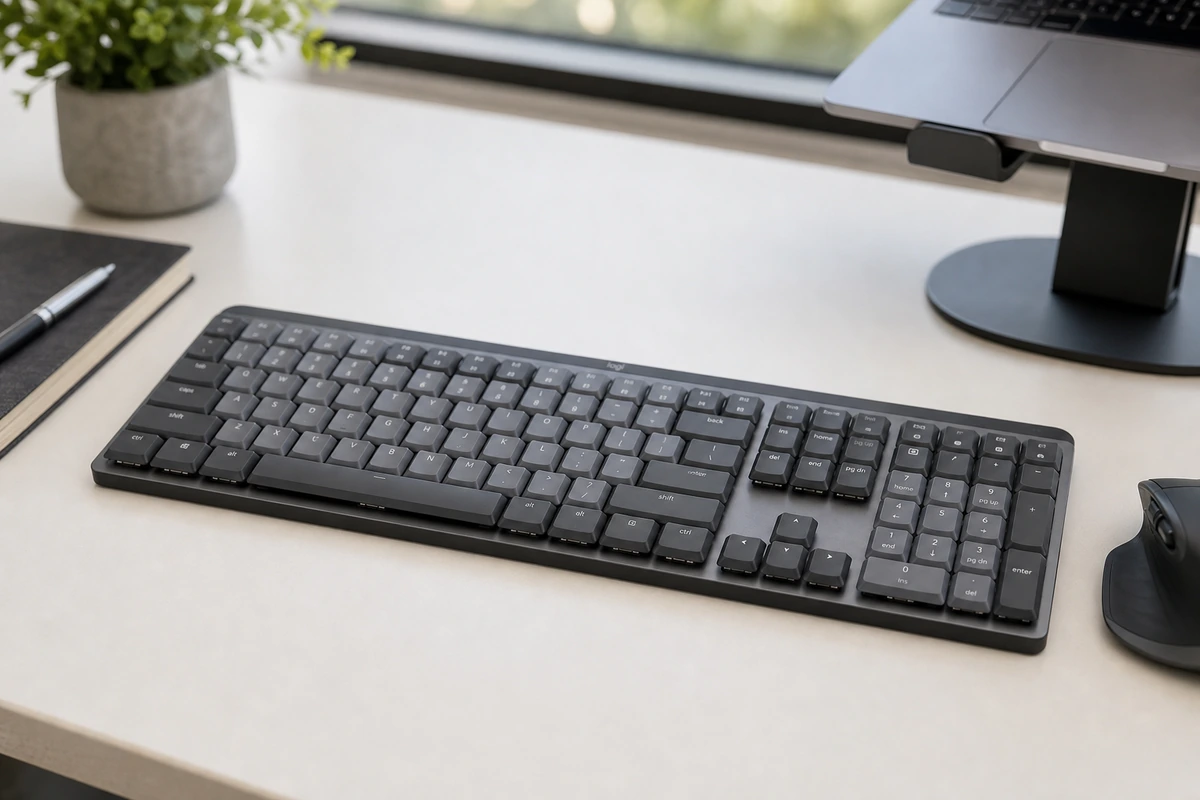
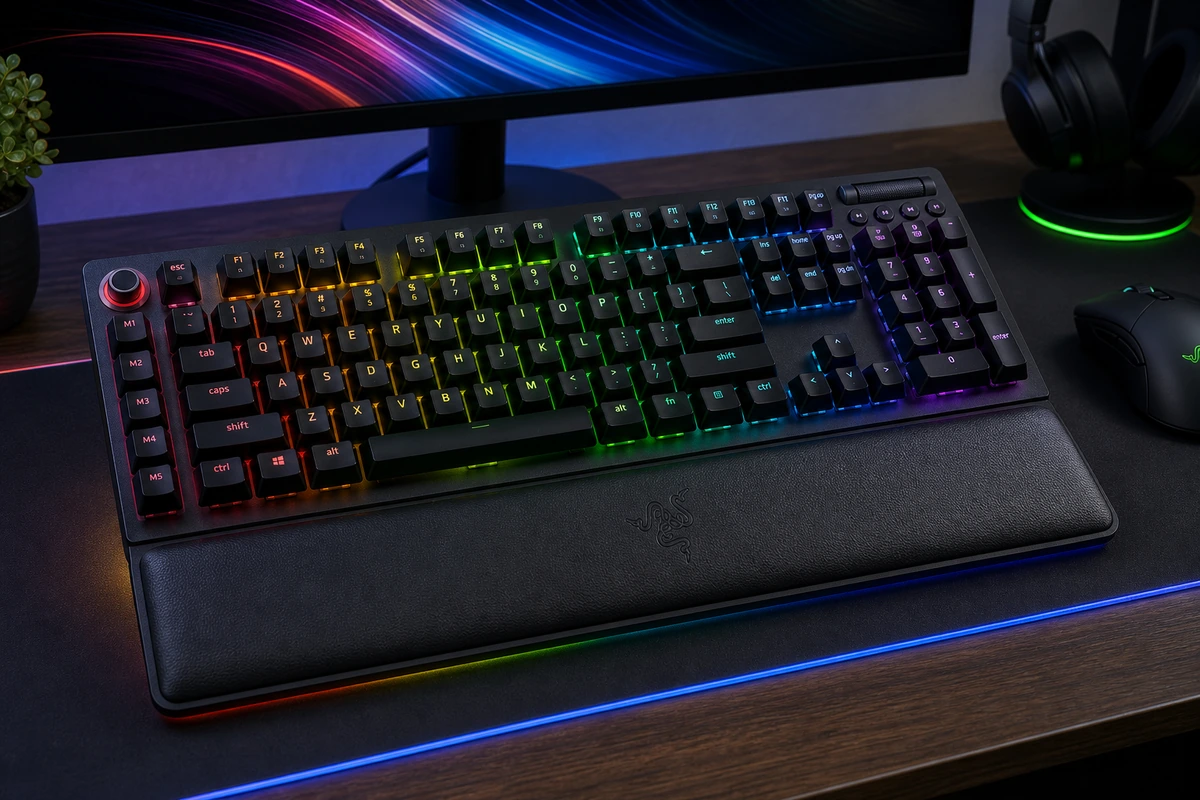
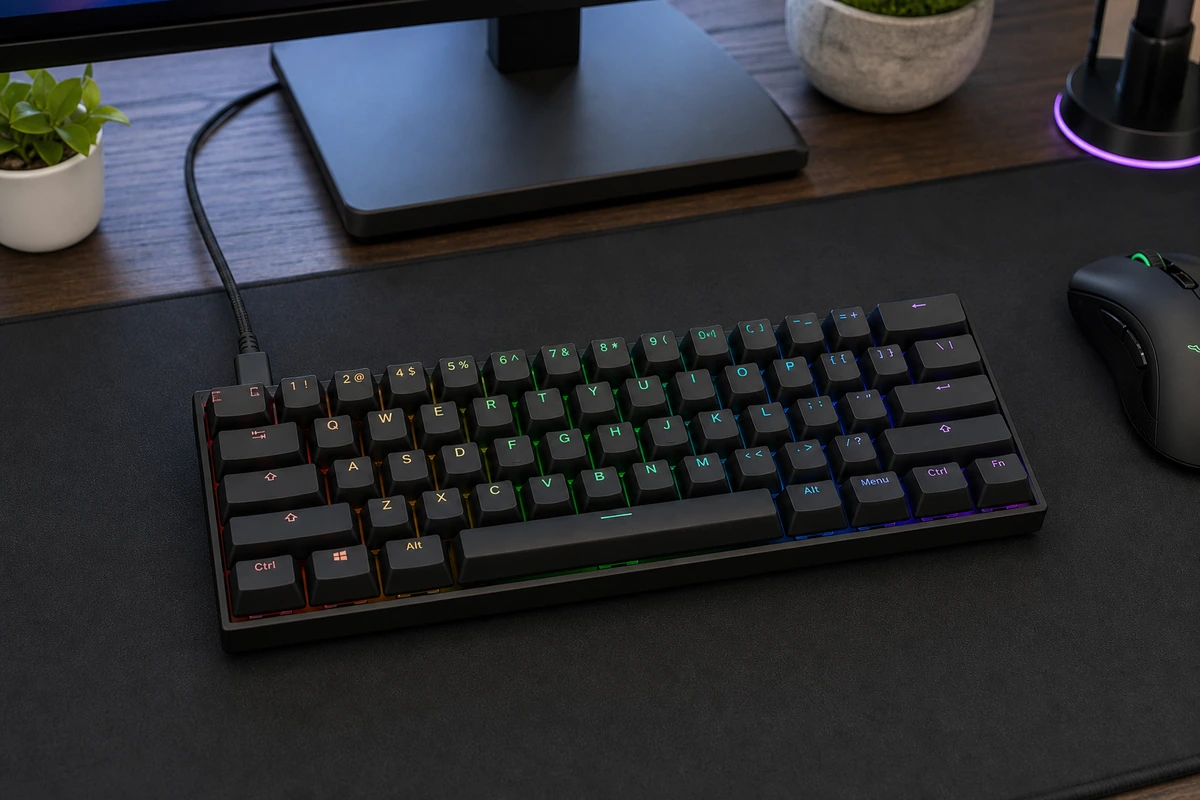
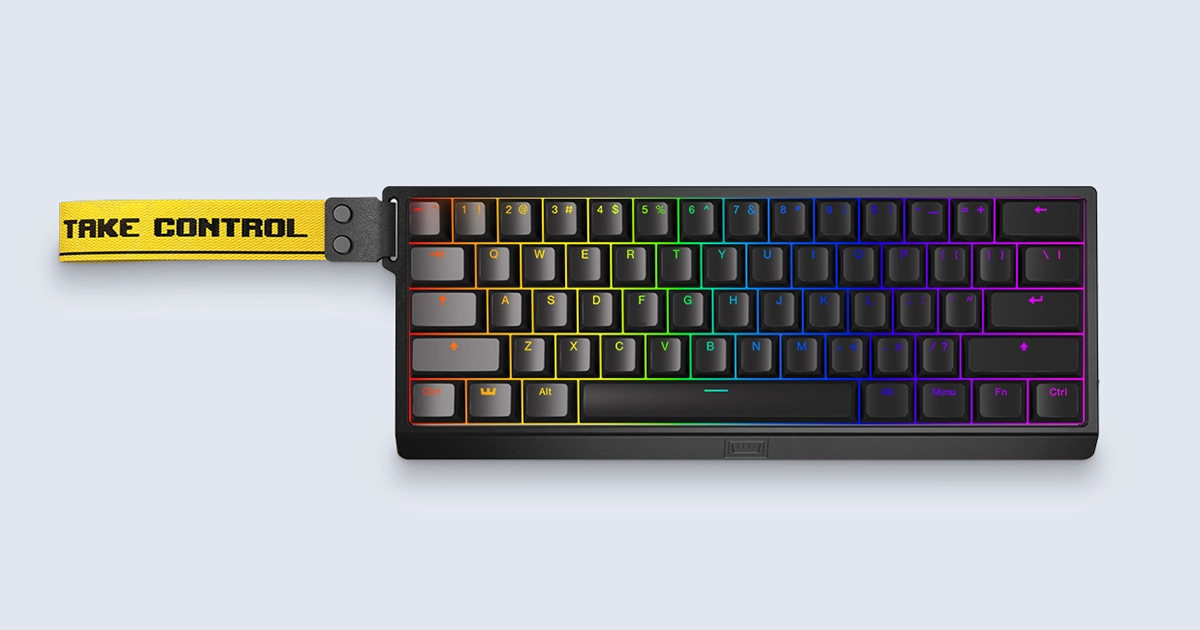
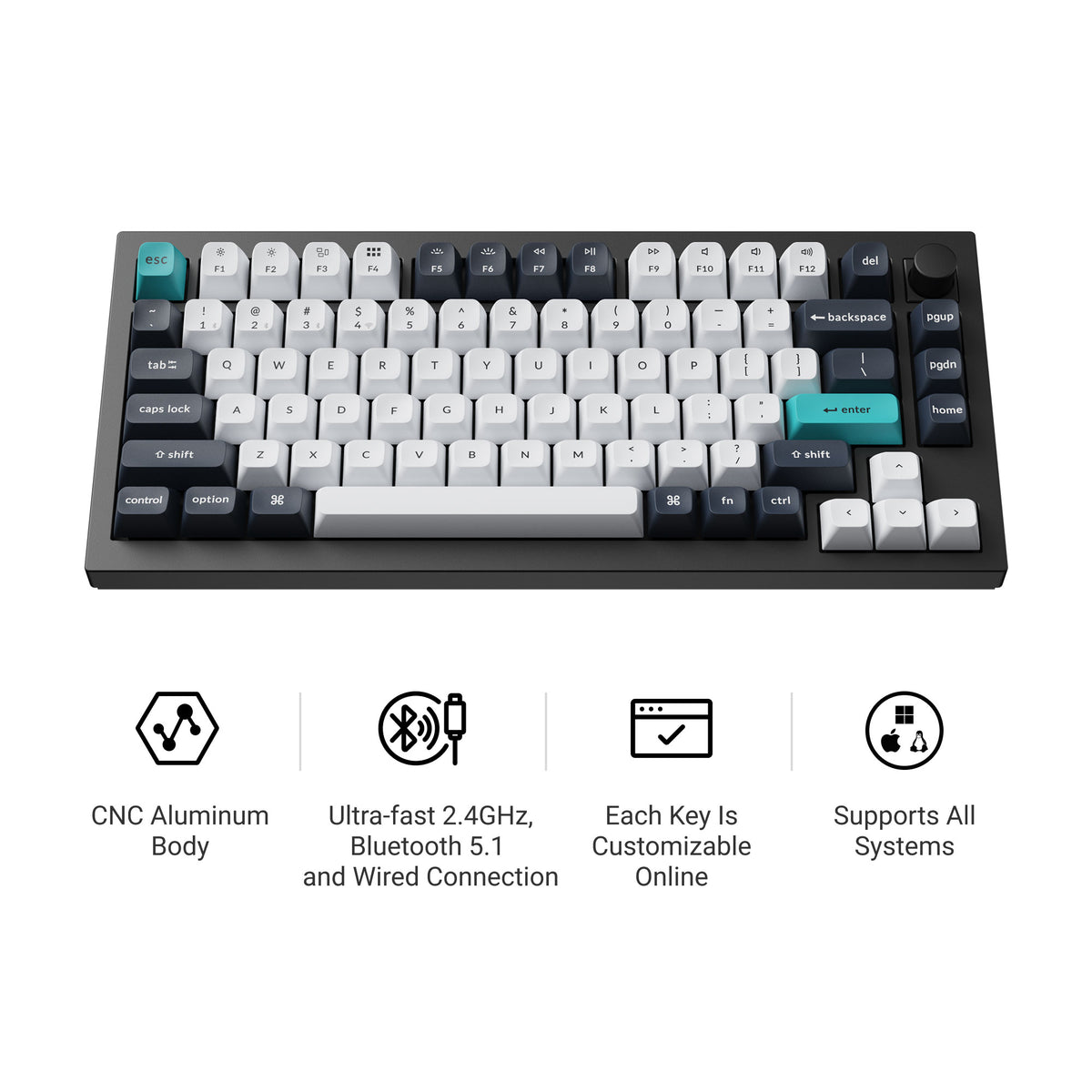
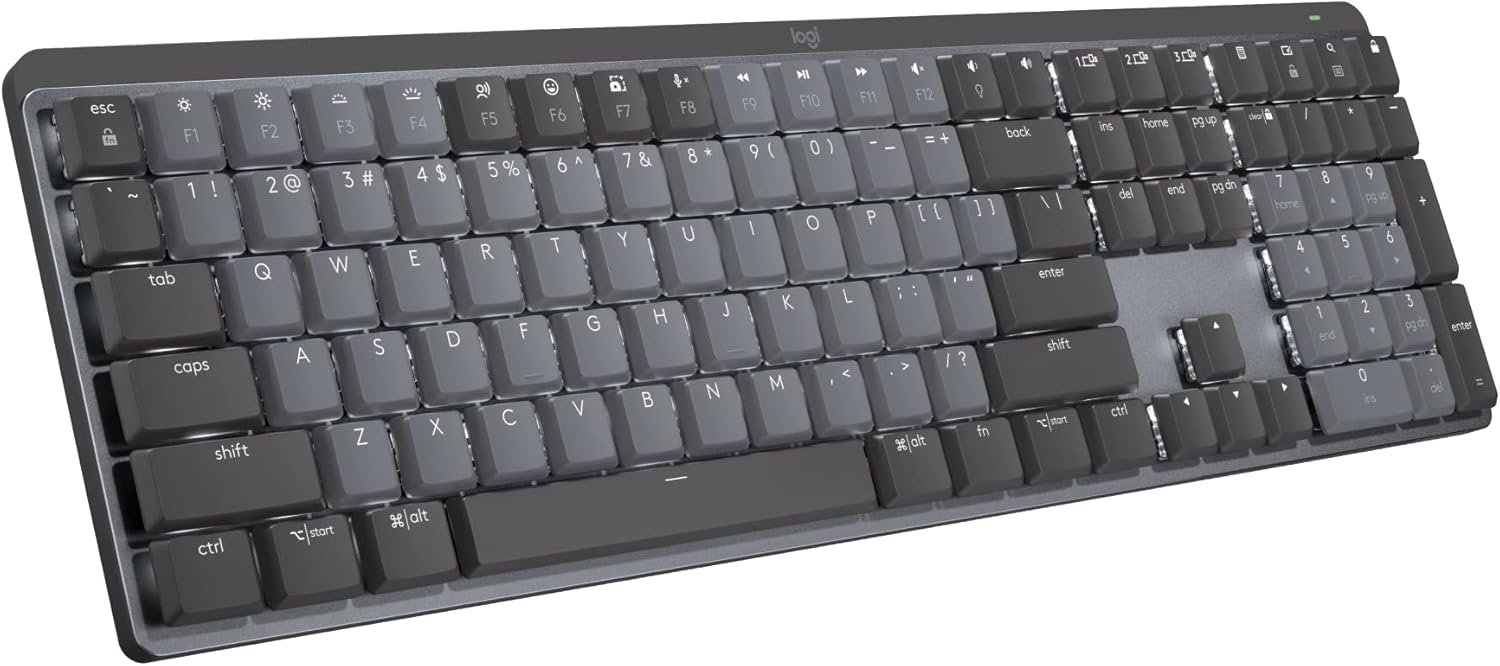
For typing and everyday desk work, the Keychron Q1 Max is the standout: a tank-solid aluminum board you can tune without a soldering iron, wireless, Mac or Windows, for $199. Want something office-quiet and laptop-low that pairs with three machines at once? The Logitech MX Mechanical is the productivity pick — we compare the two directly in Q1 Max vs MX Mechanical. Competitive gamers want the Wooting 60HE+, whose analog switches sense exactly how far you press — the FPS pros' board — while the Razer BlackWidow V4 Pro brings eight macro keys, a control dial, and full-size RGB for players who want the bigger layout.

Not sure where to start? Take the 60-second quiz.

Start the questionnaire →

5 questions · about a minute

What we look for in a great mechanical keyboard

  • Typing feel and soundWeight 0.25

    Switch feel, stabilizers, and sound for comfortable, consistent typing.

  • Layout and sizeWeight 0.2

    Layout and size (full, TKL, compact) for your desk and number-pad needs.

  • Build and keycapsWeight 0.18

    Build quality, keycap material, and long-term durability.

  • Wireless and compatibilityWeight 0.15

    Wireless, device switching, and Mac/Windows compatibility.

  • Gaming featuresWeight 0.12

    Latency, analog or rapid-trigger, and gaming controls for competitive play.

  • ValueWeight 0.1

    Features, build, and switch options relative to price.

What's in our catalog

4 picks

Frequently asked questions

How do I choose the best mechanical keyboard?
Start with layout size, then choose switch feel and noise level. Also compare wireless support, Mac or Windows compatibility, keycap quality, hot-swap sockets, and software.
Which keyboard size should I buy?
Full-size is best if you need a number pad. Tenkeyless saves desk space. Compact 75%, 65%, and 60% layouts are better for travel or mouse room but require shortcuts.
What switch type is best?
Linear switches feel smooth and are popular for gaming. Tactile switches add feedback for typing. Clicky switches are fun but often too loud for shared rooms or offices.
Are wireless mechanical keyboards good?
Yes, many are excellent for daily work. Gamers should check low-latency modes, while Mac users should verify key legends, function keys, and device switching support.
What does hot-swappable mean, and do I need it?
Hot-swappable sockets let you change switches by hand with no soldering. It is not essential, but it lets you fix a single bad switch or change typing feel later without buying a new keyboard.
Are mechanical keyboards worth it over a membrane keyboard?
For most people who type or game for hours a day, yes. They feel more consistent, last longer, and are repairable. For occasional light use, a good membrane board can still be fine.
How do I make a mechanical keyboard quieter for an office?
Choose linear or silent tactile switches, avoid clicky switches, and look for boards with sound-dampening foam or a gasket mount. A desk mat under the keyboard also reduces noise.

How we grade

We score every product on the criteria that actually decide the purchase.

PickGrade compares mechanical keyboards around practical fit: switch feel and sound, layout and size, build and keycap quality, wireless and Mac/Windows compatibility, gaming latency features, and price. We do not claim hands-on lab testing unless a page states it directly; recommendations are based on structured product research, manufacturer data, published review measurements, and buyer-fit tradeoffs.

Read the full methodology →
PickGrade

The independent grading authority for the things you buy. Research once, decide fast — no sponsored top-10 lists.

Affiliate disclosure — PickGrade participates in affiliate programs, including Amazon Associates and partnerships managed through affiliate networks. We may earn a commission from qualifying purchases at no extra cost to you. This never affects our grades. Full disclosure.

Explore

Contact

Questions, feedback, or partnership inquiries?

admin@pickgrade.com

Company

© 2026 PickGradeNo sponsored placements · Ever