The buyer's guide
Electric Toothbrushes
Reviewed by
Michal Zucker · Fitness, Movement & Wellbeing Editor
A $30 brush and a $300 one clean about the same. Technique is what matters — and only two features actually improve it.
A $30 electric toothbrush and a $300 one remove plaque about equally well — what changes outcomes is technique, and the two features that improve it: a two-minute timer and a pressure sensor. Everything above that price is comfort, coaching, and convenience, which is why the right question isn't "which brush is best" but "which features are worth paying for in my mouth."
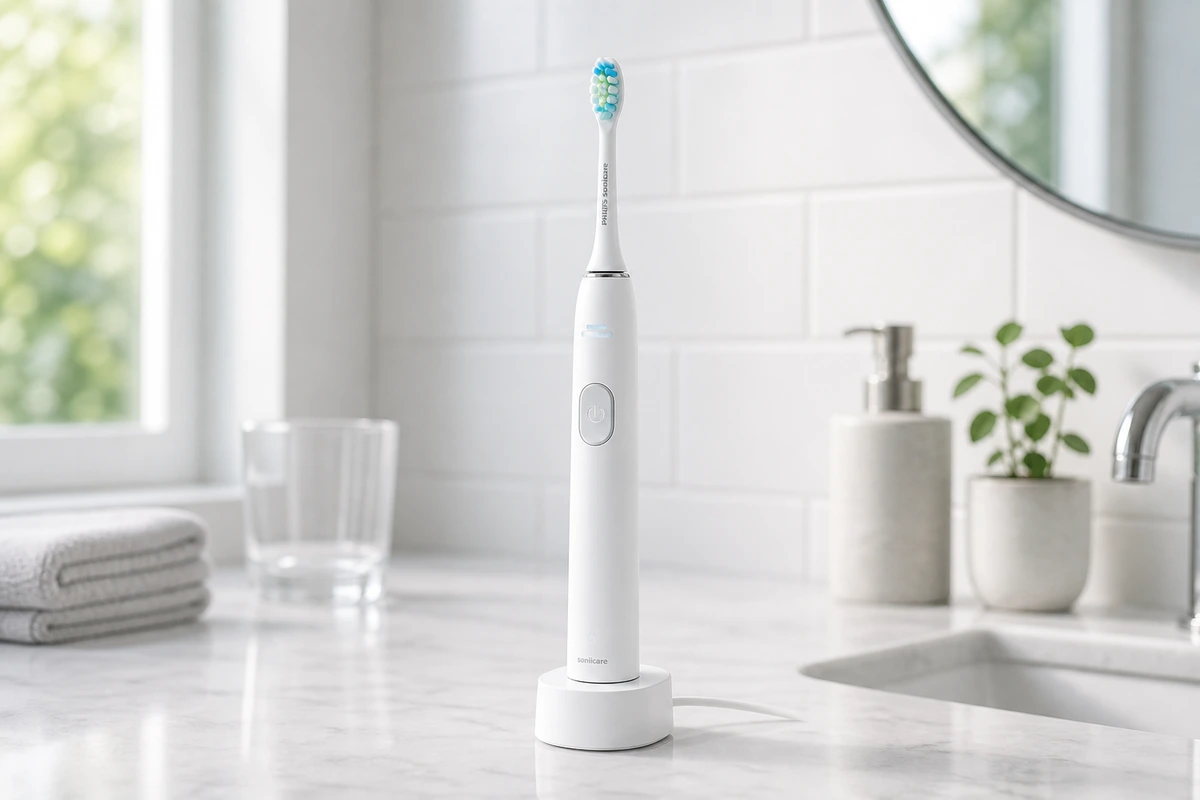
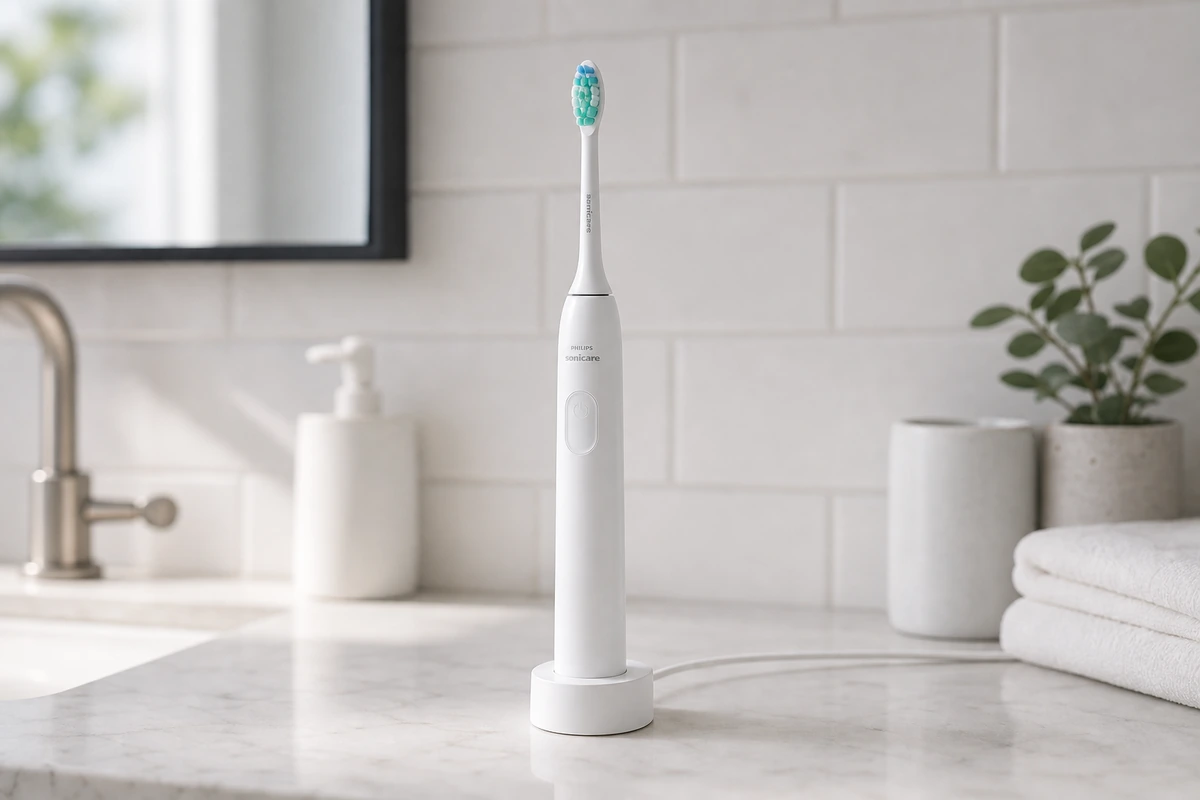
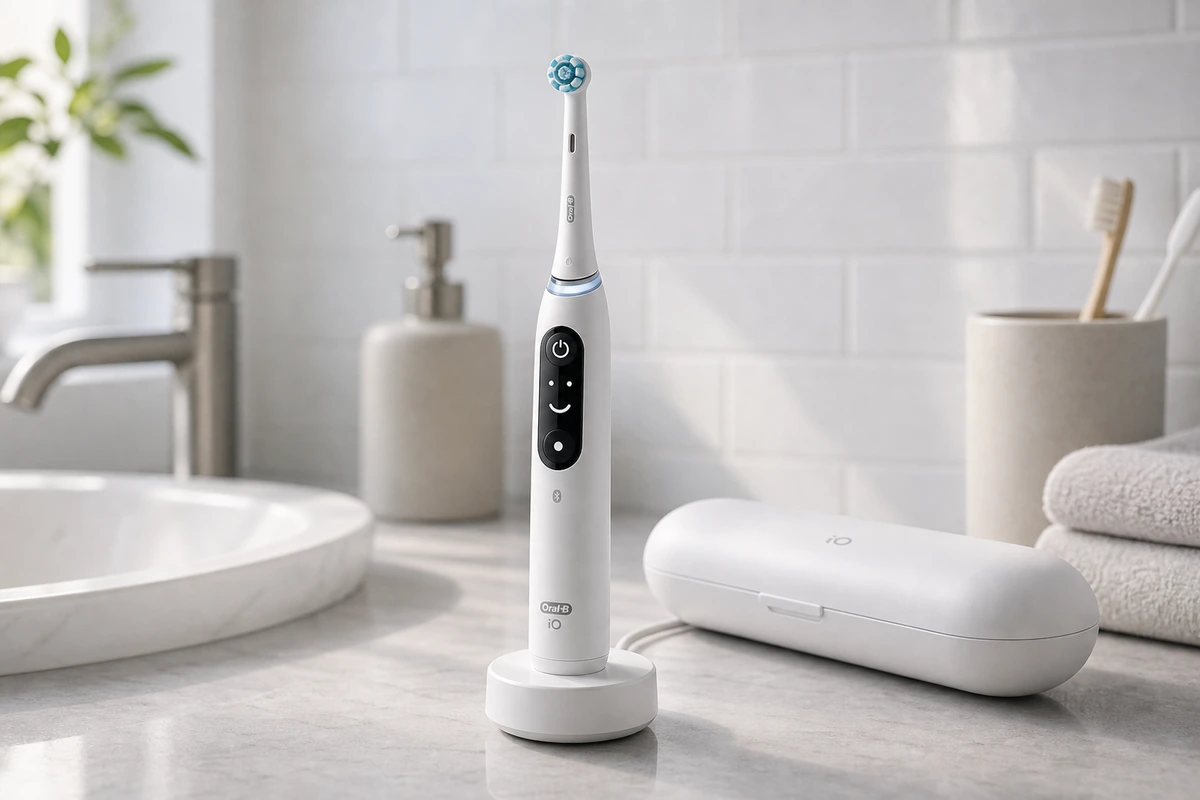
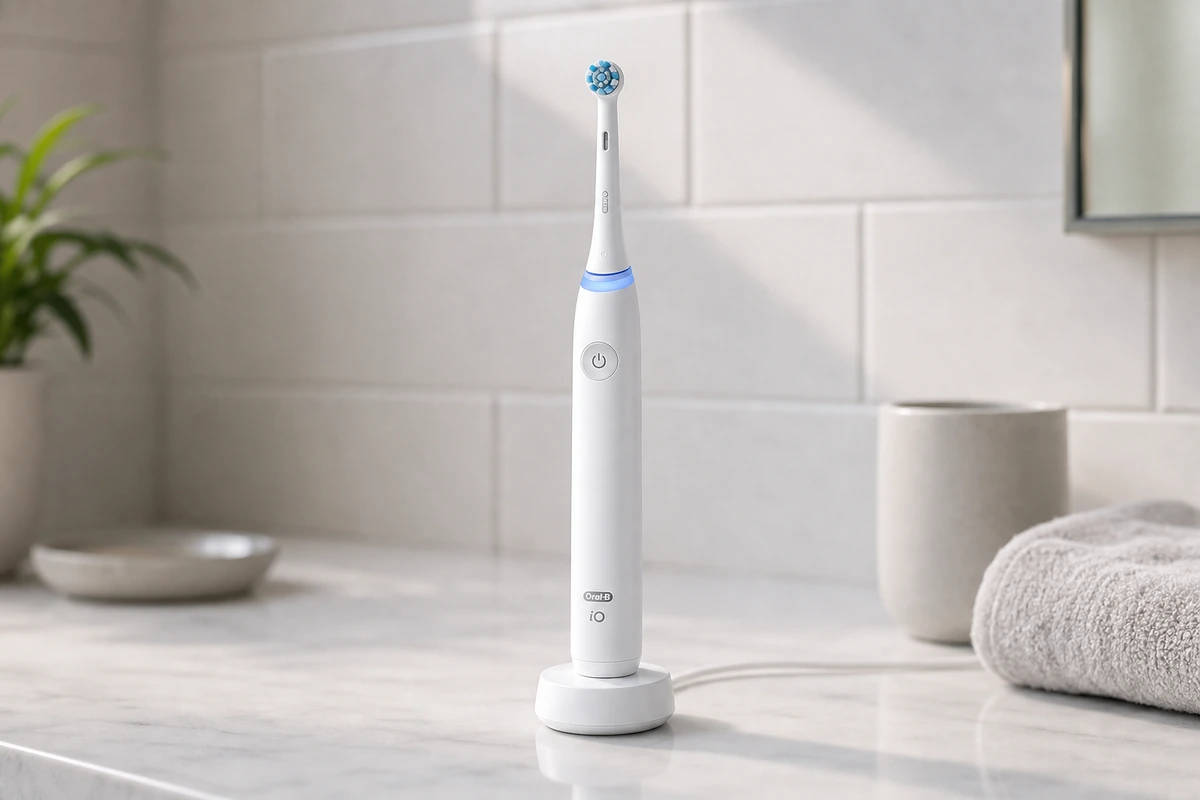
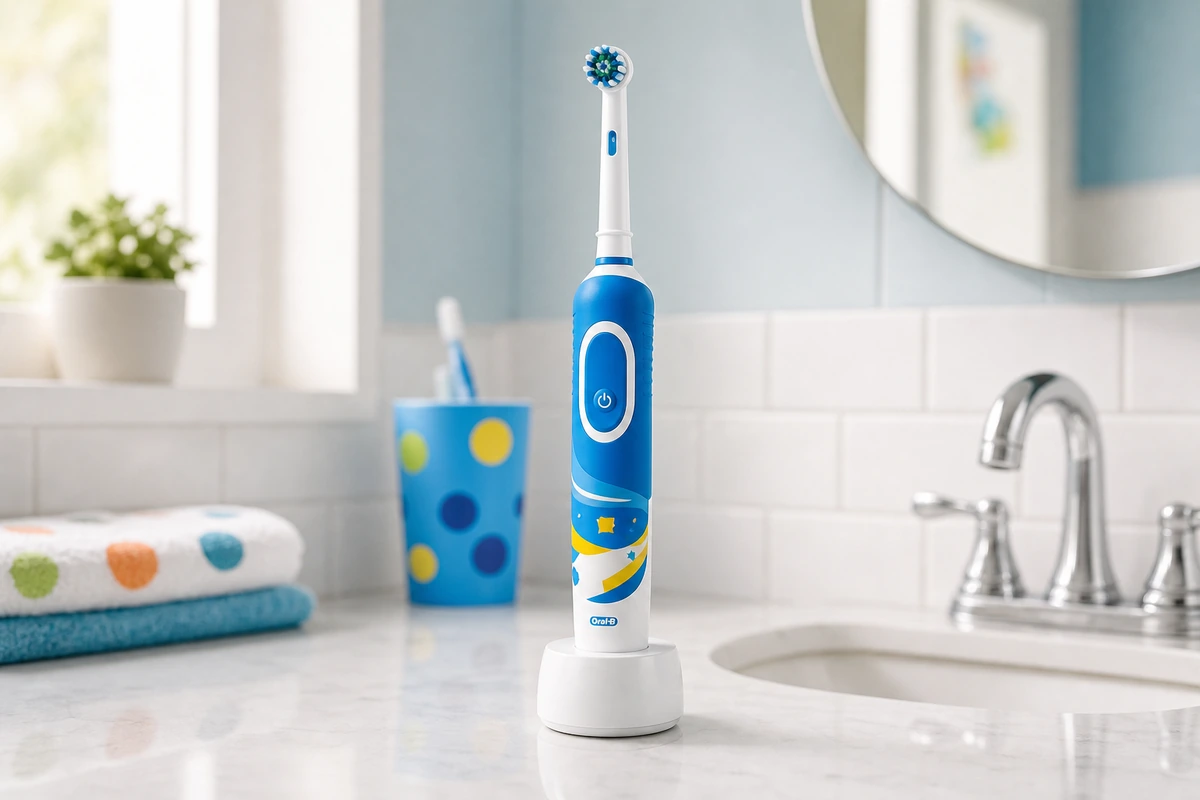
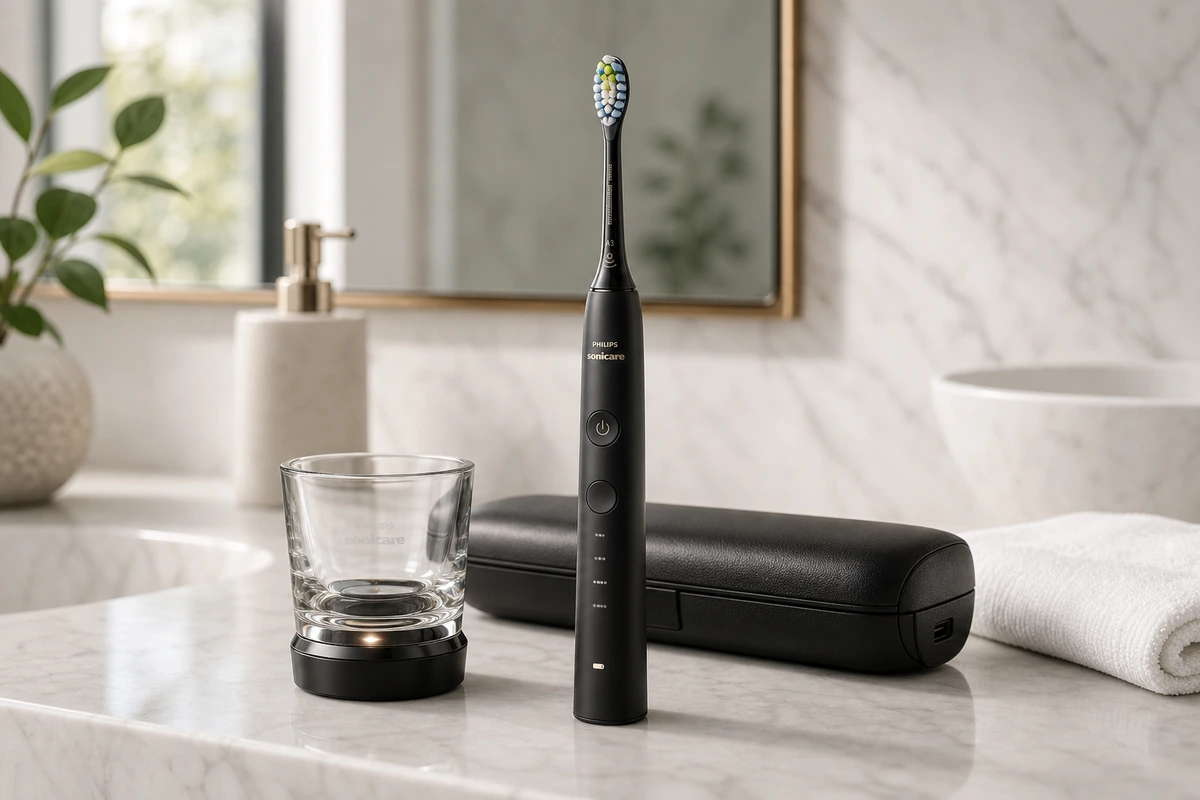
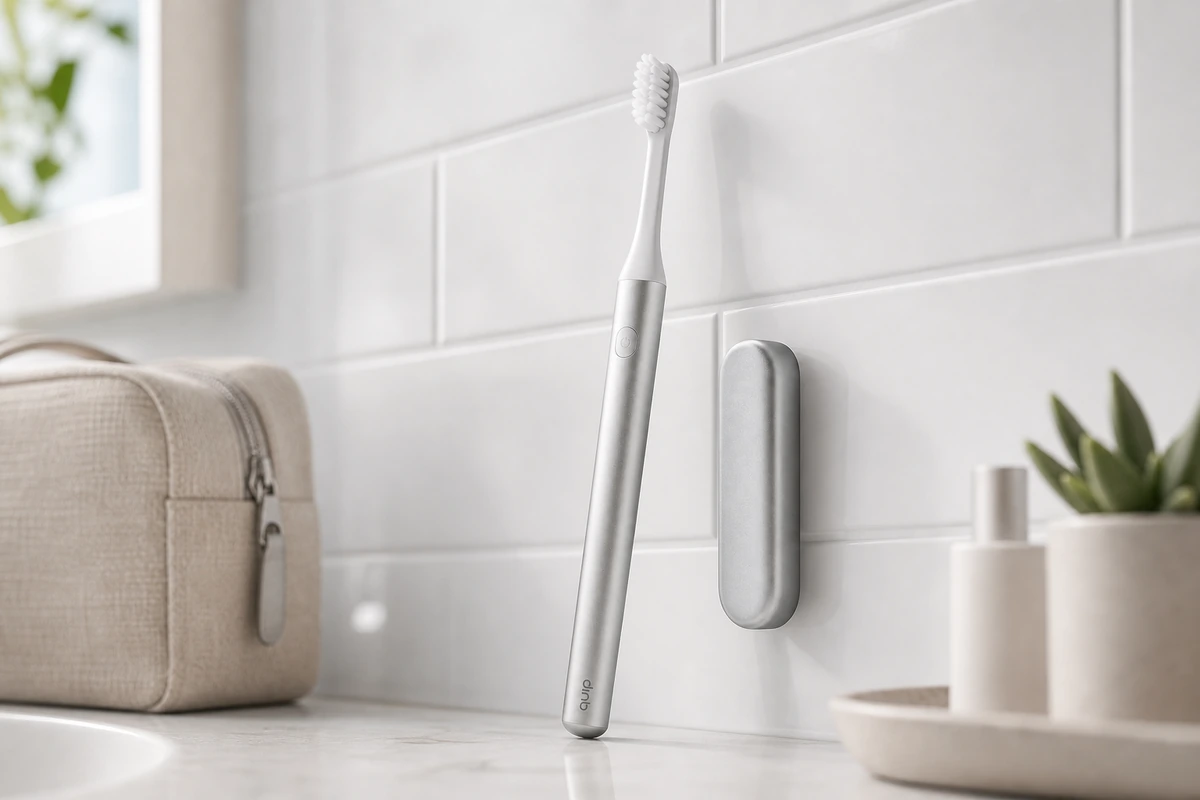
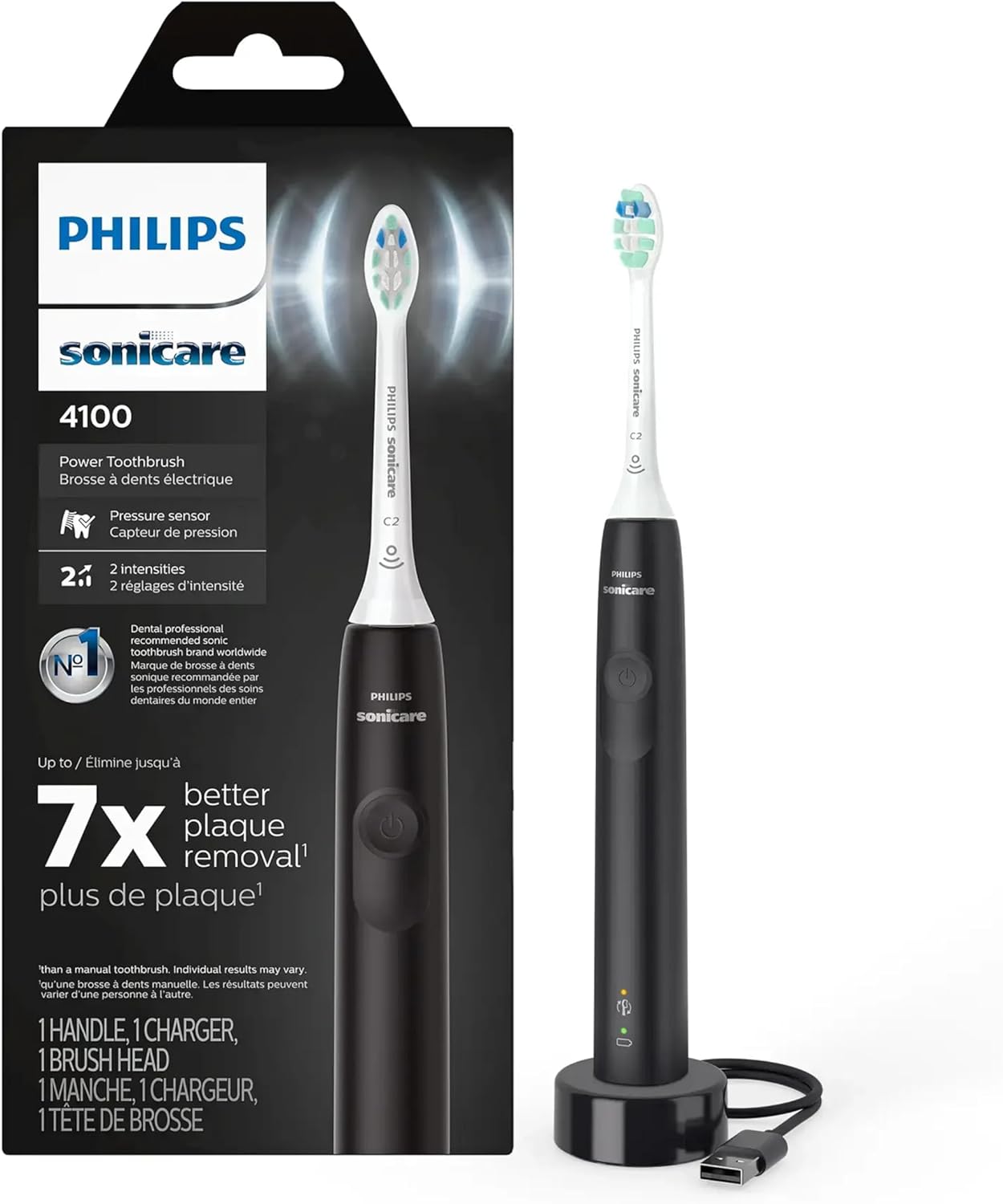
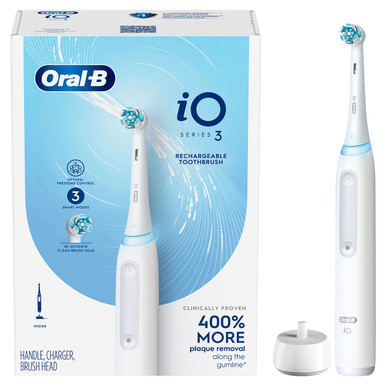
For most adults the answer is the Philips Sonicare 4100: both features that matter, a gentle sonic feel, and cheap replacement heads for about $49. Skip the sensor knowingly and the Sonicare 1100 delivers a real Sonicare clean near $30 — we weigh that exact $19 in 1100 vs 4100. Prefer Oral-B's tooth-by-tooth round head — or wear braces — and the iO Series 3 brings the flagship's magnetic drive for $80; see how it stacks against the Sonicare default in iO 3 vs 4100. The iO Series 9 adds a screen, AI coaching, and a travel case — whether that's worth $219 more is exactly the question we answer in iO 3 vs iO 9. Frequent flyers get the DiamondClean 9000's USB-charging case, minimalists the Quip, and kids their own brush with a timer that makes two minutes stick.
Not sure? Take the 60-second quiz, read Oral-B vs Sonicare: how to actually choose, or jump to your situation — sensitive teeth, braces, or what replacement heads really cost.
6 questions · about a minute