Buying guide
Electric Toothbrush Replacement Heads: The Real Cost of Ownership
Reviewed by
Michal Zucker · Fitness, Movement & Wellbeing Editor
Over five years, replacement heads usually cost more than the toothbrush handle itself. Here's the per-year math for Oral-B, iO, Sonicare, and Quip heads — and how to keep the ongoing cost down without wrecking your gums with cheap clones.
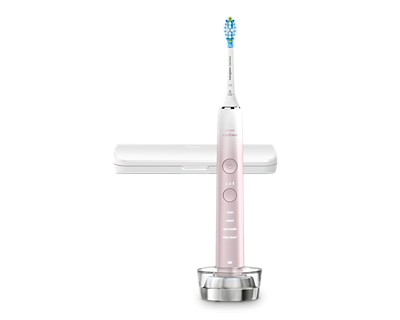 Take the toothbrush quiz →
The handle is the down payment, the heads are the mortgage
Electric toothbrush heads should be replaced roughly every 3 months (sooner if bristles fray). Over a typical 5-year handle lifespan, that's about 20 heads per person — which means head price quietly decides whether your "cheap" brush was actually cheap.
The math, per person per year
Assuming 4 heads per year at typical street prices:
| Head ecosystem | Typical price per head | Annual cost | 5-year cost |
|---|---|---|---|
| Oral-B classic (CrossAction etc.) | $5–7 | $20–28 | $100–140 |
| Oral-B iO | $8–12 | $32–48 | $160–240 |
| Philips Sonicare (C2/G2 etc.) | $8–11 | $32–44 | $160–220 |
| Quip | ~$5 (refill plan) | ~$20 | ~$100 |
| Kids heads (Oral-B) | $4–6 | $16–24 | $80–120 |
Two practical consequences:
- A $50 Sonicare 4100 plus 5 years of heads costs more than the handle did. Budget for it.
- The iO premium is recurring, not one-time. The Oral-B iO Series 3 is a great brush, but its heads cost roughly 50–80% more than classic Oral-B heads — a real factor in the Oral-B vs Sonicare decision.
How to spend less without compromising
- Buy multi-packs. Per-head prices drop meaningfully in 6- and 8-packs.
- Match the head to the need, not the marketing. A standard head replaced on time beats a "premium" head used for six months.
- Be careful with third-party compatible heads. Quality varies a lot in owner reports — bristle rounding (what protects your gums) is exactly what cheap clones skip. If you use them, inspect bristles and replace early.
- Braces wearers: budget extra. Brackets fray bristles faster; see the braces guide for an 8–10 week schedule.
When a frayed head is costing you
Worn bristles clean dramatically worse and tend to push users into scrubbing harder, which is how gums get damaged. If you can't remember when you last changed the head, change it. Several brushes — including the Sonicare DiamondClean 9000 — track head wear and remind you, which is one of the few "smart" features with a clear practical payoff.
Want the total-cost picture factored into a recommendation? The electric toothbrush quiz asks about ongoing head costs directly, and the category hub lists head-cost notes for every pick.
Our electric toothbrush picks
- Oral-B iO Series 9
- Philips Sonicare 4100
- Philips Sonicare DiamondClean 9000
- Quip Rechargeable Electric Toothbrush
Still choosing?
- Oral-B iO Series 3
- Philips Sonicare 1100
- Oral-B Kids Electric Toothbrush
- Best Electric Toothbrush for Sensitive Teeth and Gums
- Philips Sonicare 4100 Review: The Rational Default
- Oral-B iO Series 9 vs Sonicare DiamondClean 9000
Still choosing?
Frequently asked
How often should electric toothbrush heads be replaced?
About every 3 months, or sooner if bristles look frayed or splayed. Braces wearers should plan on every 8–10 weeks.
How much do replacement heads cost per year?
Expect roughly $20–$48 per person per year depending on the ecosystem: classic Oral-B heads are cheapest, iO and Sonicare heads cost more.
Are third-party compatible brush heads safe?
Quality varies widely. Reputable third-party heads can be fine, but cheap clones often skip bristle end-rounding, which is what protects your gums. Inspect them and replace early if bristles feel sharp or fray fast.
Do all brush heads fit all handles?
No — handles within a brand family share head systems (all iO handles use iO heads; most Sonicare handles use click-on Sonicare heads), but Oral-B classic, Oral-B iO, and Sonicare heads are not interchangeable across systems.